German-Spanish Restaurant Design
In recent years, more and more German cities have embraced restaurants that blend Spanish style. Whether it is the passionate colors of Madrid or the modern artistic vibe of Barcelona, both have found their place on German streets. Designing a successful Spanish restaurant requires not only capturing the cultural essence of Spain but also considering the lifestyle habits and aesthetic preferences of German customers.
Colors and Atmosphere
The most attractive part of a Spanish restaurant is often its warm atmosphere. Bold use of red, orange, and yellow can reflect sunshine and passion. In Germany, adding some low saturation warm tones can provide Spanish vitality without overwhelming local patrons.
Materials and Details
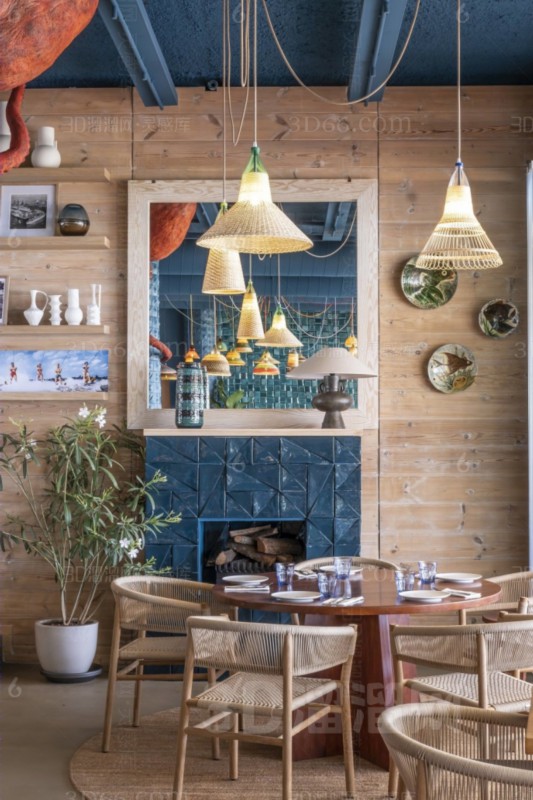
Wood, ceramics, and handcrafted ironwork as featured in Spanish restaurant design are common elements. In German designs, one can combine local sustainable materials with traditional Spanish elements, such as using local oak with Spanish-patterned tiles. This provides visual depth while meeting both environmental and practical needs.
| Element | Example Application |
|---|
| Wood | Oak tables and chairs, wall decor |
| Ceramics | Painted tile bar counters, tableware |
| Ironwork | Chandelier frames, partition designs |
Space Layout and Flow
In German-Spanish restaurants, flow planning must consider the European emphasis on comfortable dining experiences. A layout combining an open kitchen with small private rooms allows guests to enjoy watching the cooking process while also having intimate conversation spaces.
A famous restaurant in Berlin incorporated a Spanish [tapas] bar concept while retaining a German beer service area, allowing both cultures to merge naturally in one space. Such cases as German-Spanish restaurant arrangement show that design is not merely a visual fusion but also a balance of lifestyle habits and service styles.
Conclusion
German-Spanish restaurant design must find a balance between Spanish passion and German rationality. Whether through the use of color, choice of materials, or spatial layout, the aim is to let customers experience cultural diversity along with dining comfort. This cross-cultural design trend not only adds uniqueness to restaurants but also brings new vitality to the culinary culture of the city.
