Culinary Experiences of Dutch Tourists in Spanish Restaurants
For many Dutch people, Spain is not only a symbol of sunshine and beaches, but also a culinary paradise that satisfies varied taste buds. Especially in Mediterranean coastal cities, Dutch tourists almost daily step into local restaurants to sample different seafood, meats, and desserts.
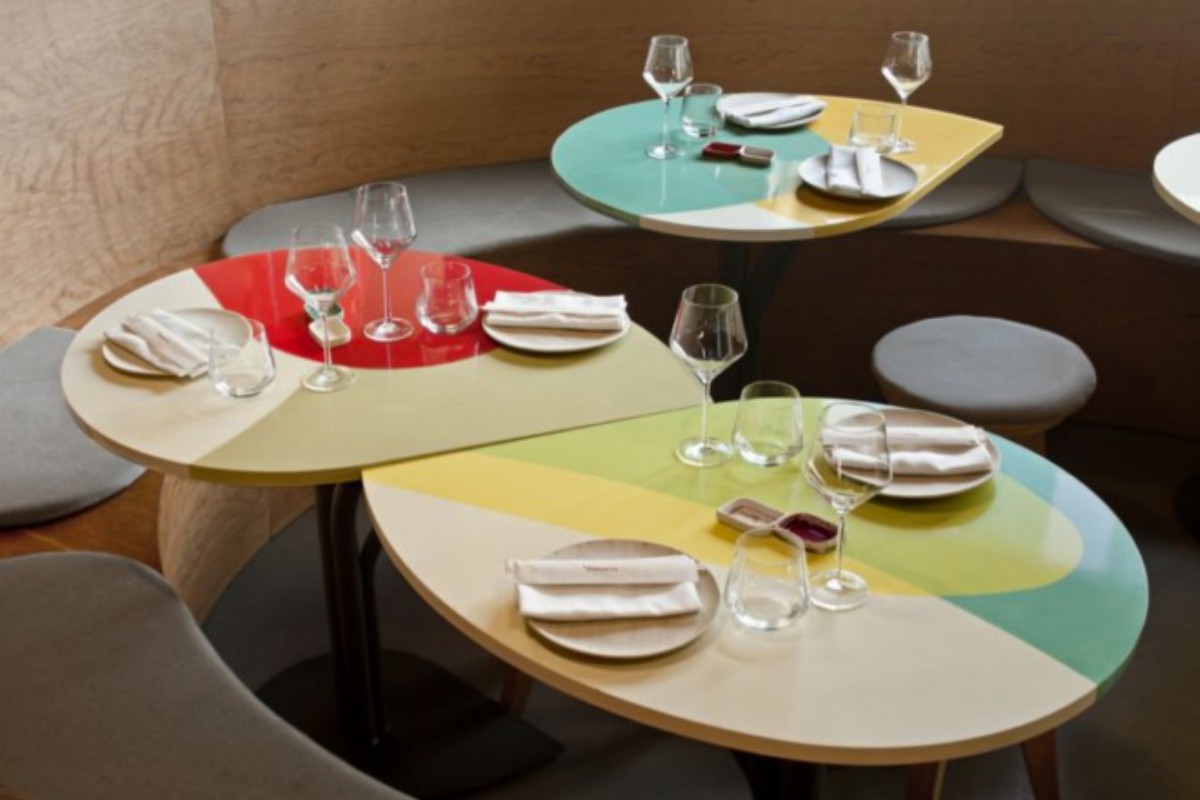
Dining Preferences and Differences
Eating habits of Dutch tourists differ noticeably from those of locals in Spain: they usually prefer to dine earlier, while Spanish dinner times often begin after 9 p.m. Many Dutch visitors favor lighter, low-salt preparations, yet they are willing to try signature dishes such as Spanish cold soup or grilled small fish. Below is a brief table of popular dishes:
| Dish Name | Dutch Tourist Rating |
|---|
| Paella | 9/10 |
| Gazpacho | 8/10 |
| Calamares | 8.5/10 |
| Jamón Ibérico | 9.5/10 |
Common Communication and Cultural Encounters
In restaurants, Dutch tourists usually converse in English, but if you mention something from Dutch Airline Spanish restaurant pricing and manage to say in Dutch “Eet smakelijk”, they will be delighted. Some restaurants mistakenly assume Dutch guests only want European-style meals, neglecting to recommend local flavors, which is a small loss in service.
Types of Restaurants Suitable for Dutch Tastes
Tapas bars are very popular because guests can freely choose different small plates and combine them as they wish. Coastal seafood restaurants allow Dutch tourists to enjoy pure, fresh sea flavors under the sun. Especially in Barcelona, Valencia, and Malaga, finding a venue that offers a multilingual menu can greatly enhance the experience.
Tips
If you are a restaurant owner, consider providing clear English and Dutch menus, moderately adjusting salt levels, and opening earlier for lunch. Dutch visitors enjoy daytime dining and tend to schedule more Dutch-Spanish restaurant renovation outdoor activities in the afternoon.
Conclusion
Dutch tourists’ experiences in Spanish restaurants are full of novelty—they have their own food habits yet are eager to embrace local culture. If Spanish restaurant design can merge both strengths, it will not only leave them satisfied, but also foster cross-cultural communication, turning every meal into a cherished travel memory.
