Management and Daily Insights from Spanish Restaurant Owners
When running a restaurant in Spain, whether it’s a small family eatery in a town or an upscale venue in the city, a proprietor’s daily tasks are far more complex than outsiders might imagine. Here, Spanish restaurant violence incident shares with you some real operational details, and we welcome other friends to add their experiences.
Location Selection and Cultural Atmosphere
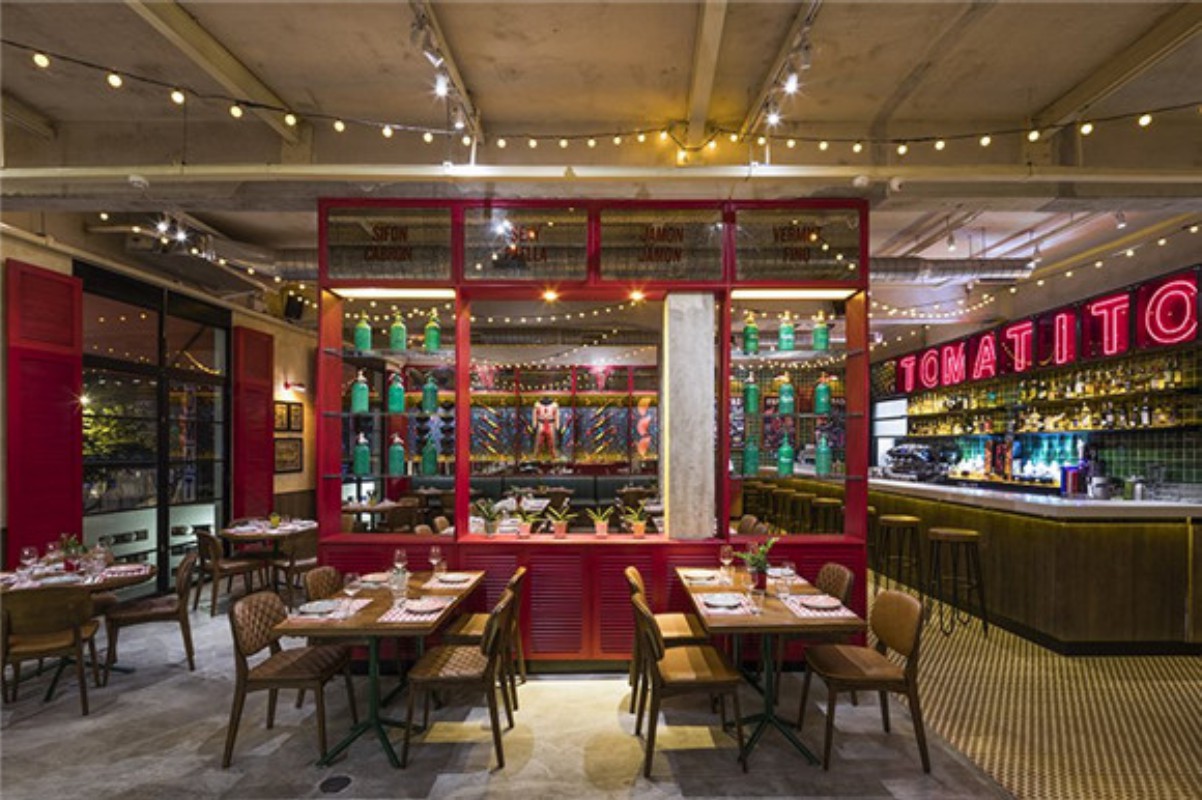
Many veteran restaurant owners prioritize the neighborhood’s cultural vibe when choosing a location. For example, in Barcelona’s old town, foot traffic is high, Spanish restaurant owner but rents are expensive; whereas in residential areas, the customer base is stable but it takes years of operation to build a good reputation. “Atmosphere” is an important term in Spain’s food industry — a restaurant needs to integrate with the surrounding culture to thrive long term.
Menu Design and Seasonality
Spanish owners put great emphasis on seasonal ingredients when designing menus. For example, white asparagus in spring, mushroom dishes in autumn. To attract regulars, they regularly update the menu while keeping a few classics. The real trick is finding the balance between innovation and tradition.
| Season | Signature Dish |
|---|
| Spring | White asparagus salad |
| Summer | Gazpacho cold soup |
| Autumn | Stewed mushrooms with lamb |
| Winter | Roast suckling pig |
Customer Relations and Local Engagement
Many owners participate in local festivals, such as the Night of San Juan, using restaurant sponsorships or hosting small music concerts to increase exposure. This kind of sense of participation can help the restaurant become part of the community.
Cost Control and Staff Management
Spanish restaurant owners are highly sensitive to costs, especially when raw material prices fluctuate seasonally — for instance, Carmen restaurant owner will negotiate bulk purchases with suppliers in advance. Staff training is also crucial; experienced employees can guide newcomers during busy times, reducing mistakes.
Market Trends and Future Experiments
In recent years, healthy eating and sustainable ingredients have gained attention, and many owners are trying to introduce organic vegetables and low-carbon cooking methods. This not only meets the needs of younger customers but also enhances the forward-thinking image of the restaurant brand.
Running a restaurant in Spain is an ongoing balance between culture and economics, and we hope everyone finds practical ideas in this sharing.
