Core Steps for Opening a Restaurant in the US
Many friends running restaurants in Spain often ask: how can I open a restaurant in the United States? While it may seem complex, following the process step by step will give you a clear pathway.
Research the Market and Legal Requirements
Before taking action, first determine whether your restaurant’s positioning fits the consumer habits of a specific US city. You can analyze consumer needs through data from local restaurant associations and online food delivery platforms. Understand visas and business licenses as the first crucial stage—common US food service-related visas include investment visas and entrepreneur visas.
| Visa Type | Applicable Situation |
|---|
| E-2 | Requires certain capital investment and citizenship of a treaty country |
| L-1 | Already owning a company overseas and sending management staff to the US |
Funding and Partners
In addition to the restaurant price comparison for visas, preparing funds is also important. The cost structure of running a restaurant in Spain differs significantly from that in the US; initial budgeting should include renovations, equipment purchases, ingredient adaptation, and marketing. Consider finding local partners to share investment and operational risks. If the Spanish restaurant address budget is limited, do not rush into a full-scale launch; you might start with a pop-up store to test market response.
Location and Cultural Differences
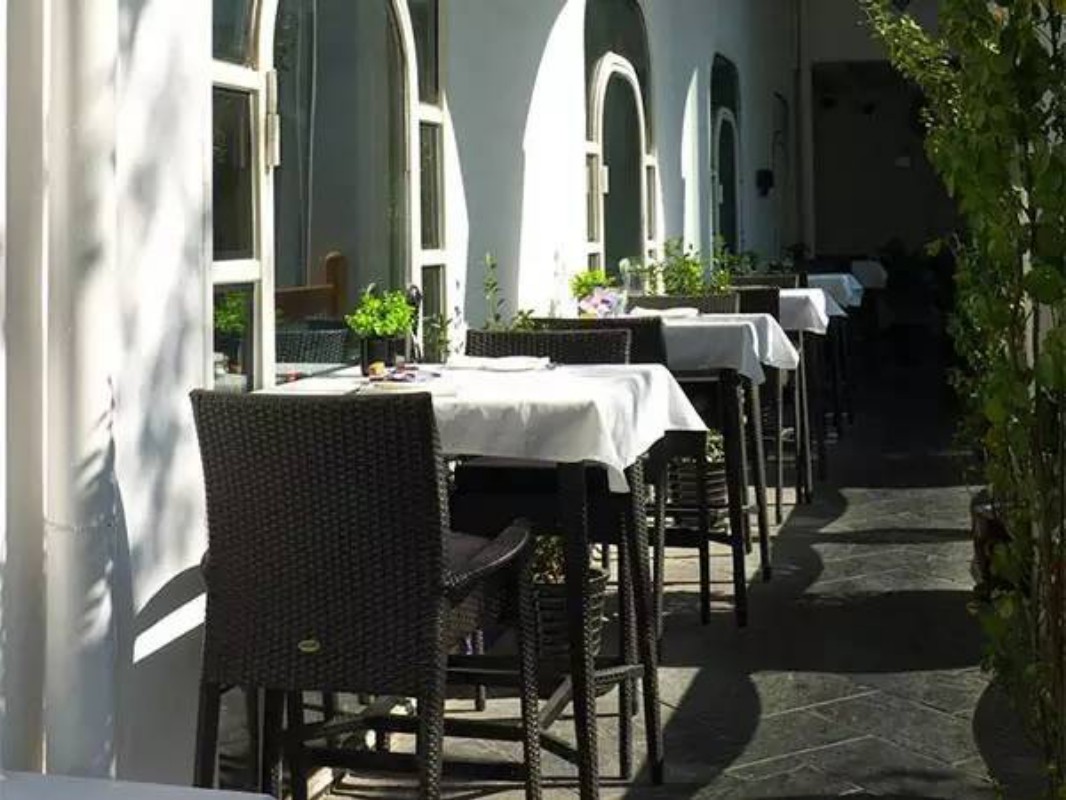
When selecting a site in the US, beyond foot traffic, consider cultural differences. For example, Spanish restaurants often focus on lunch service, whereas in many US cities peak dining times are in the evening. Health regulations and alcohol sales laws vary from state to state, so research beforehand to avoid violations. Visit target city neighborhoods in person, observe restaurant layouts, and experience local customer habits.
Branding and Menu Adaptation
Entering the US market doesn’t mean copying your full Spanish menu—retain signature dishes while adding elements more familiar to American consumers. For instance, keep traditional paella but offer smaller, takeaway-friendly portions. Use story-driven brand introductions to convey cultural background; this often resonates more than just the dishes themselves.
Testing and Adjustments
Finally, don’t overlook the trial operation stage. You can participate as a Spanish restaurant in local food festivals or farmers’ markets to test dishes and price reactions at lower cost, gather customer feedback, and then decide on long-term implementation. This approach reduces risk and helps integrate more quickly into the local food scene.
These are some of my compiled experiences. I hope they help Spanish restaurant owners planning to expand into the US, and I look forward to seeing more real-world cases shared in the forum.
