Spanish Restaurant Music and Ambiance Experience
In Spain, many restaurants pay great attention to the selection of background music. This is not merely to fill the silence but is also a part of the restaurant’s culture and brand. Different types of music can have a very significant impact on the dining experience. Therefore, whether you are a restaurant owner or a frequent diner, there’s good reason to explore the stories behind these notes.
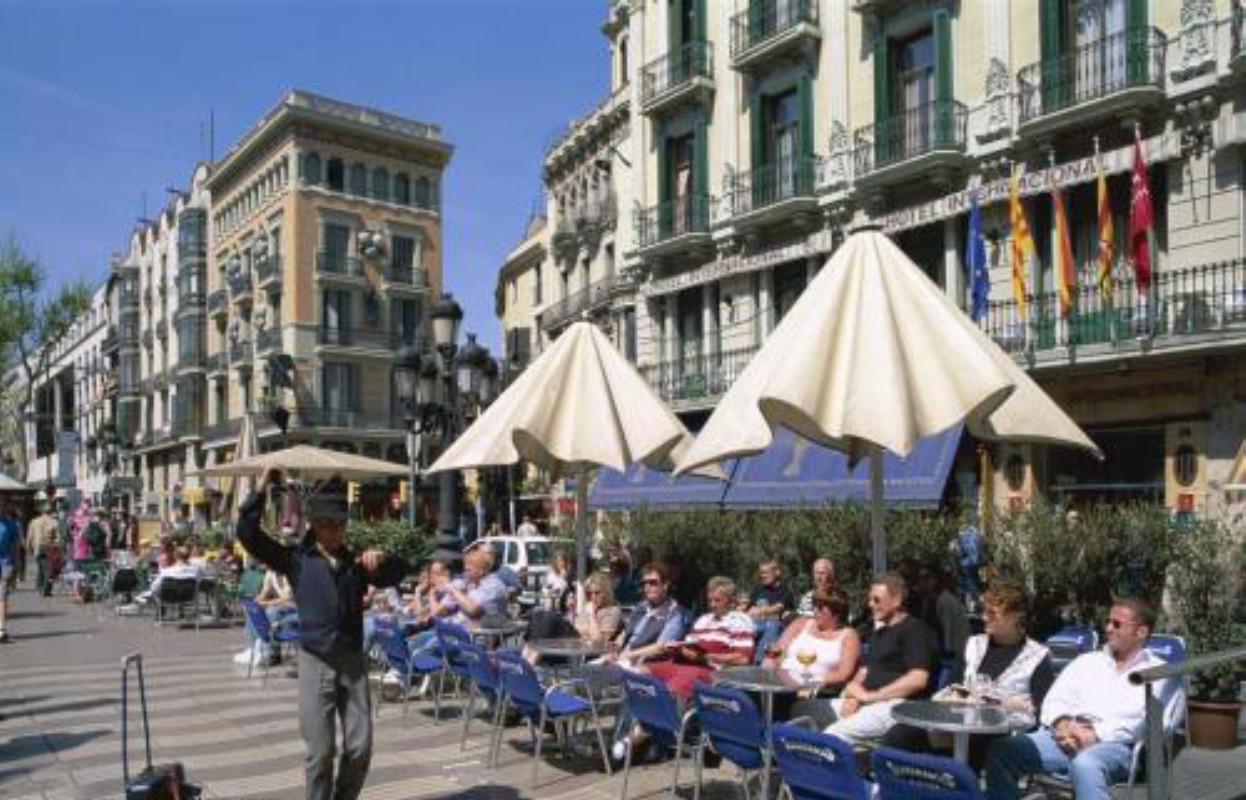
Common Restaurant Music Styles
In Spanish restaurants, you can generally find these types of music styles:
| Music Type | Ambiance Effect |
|---|
| Flamenco Guitar | Passionate and vibrant |
| Bossa Nova | Relaxing, great for lunchtime |
| Classical Piano | Elegant, suitable for fine dining |
| Latin Jazz | Upbeat, ideal for bar-restaurants |
Each of these styles has its own characteristics, and the choice should take into account the restaurant’s theme, clientele, and the Little Elephant Music Restaurant time slot.
Notes on Choosing Music
First, volume is key. If the Spanish Restaurant Music is too loud, it will make conversation difficult; if too soft, it may Spanish Restaurant Music fail to create the desired atmosphere. Secondly, consider track length and looping; avoid playing a single track repeatedly, which can lead to listening fatigue. Finally, pay attention to copyright issues—choosing legal sources or subscribing to commercial music services is a basic responsibility for operators.
Music Pairing for Different Times of Day
For breakfast, choose relaxed acoustic guitar or light jazz to start the day with a comfortable rhythm. At lunchtime, try Bossa Nova or light Latin music to let customers enjoy the afternoon sun in a pleasant mood. For dinner—especially for romantic dates or family gatherings—go for more emotionally rich Flamenco or classical music to make the atmosphere warmer.
My Personal Experience
Recently, I dined at a small seafood restaurant in Madrid where they played upbeat Latin jazz, perfectly complementing the lively open kitchen and creating a sense of participation. Another time, in a long-established Western restaurant in Barcelona, soft classical piano music accompanied by the aroma of wine encouraged me to slow down and savor the moment.
Conclusion
Music is an invisible business card for a restaurant. Whether you are a customer or an owner, pay closer attention to the BGM—you might discover another kind of delight beyond taste.
