Cultural and Culinary Differences Between Spanish and Japanese Restaurants
For those living in Spain, Spanish Japanese Restaurant visits are a common opportunity to try cuisine from different countries, with local Spanish restaurants and Japanese restaurants being among the most frequent choices. While both offer enjoyable gourmet experiences, they differ markedly in culinary style, dining atmosphere, and cultural customs.
Comparison of Culinary Styles
Spanish restaurants are characterized by abundant seafood, olive oil, garlic, and spices, with typical dishes such as paella and tapas, offering rich, bold flavors. Japanese restaurants, on the other hand, are known for fresh raw ingredients, light broths, and meticulous presentation, such as sushi, sashimi, and miso soup. The table below presents some popular representative dishes:
| Spanish Restaurant | Japanese Restaurant |
|---|
| Seafood Paella | Sushi |
| Tapas | Sashimi |
| Grilled Octopus | Tempura |
| Iberian Ham | Miso Soup |
Differences in Dining Environment
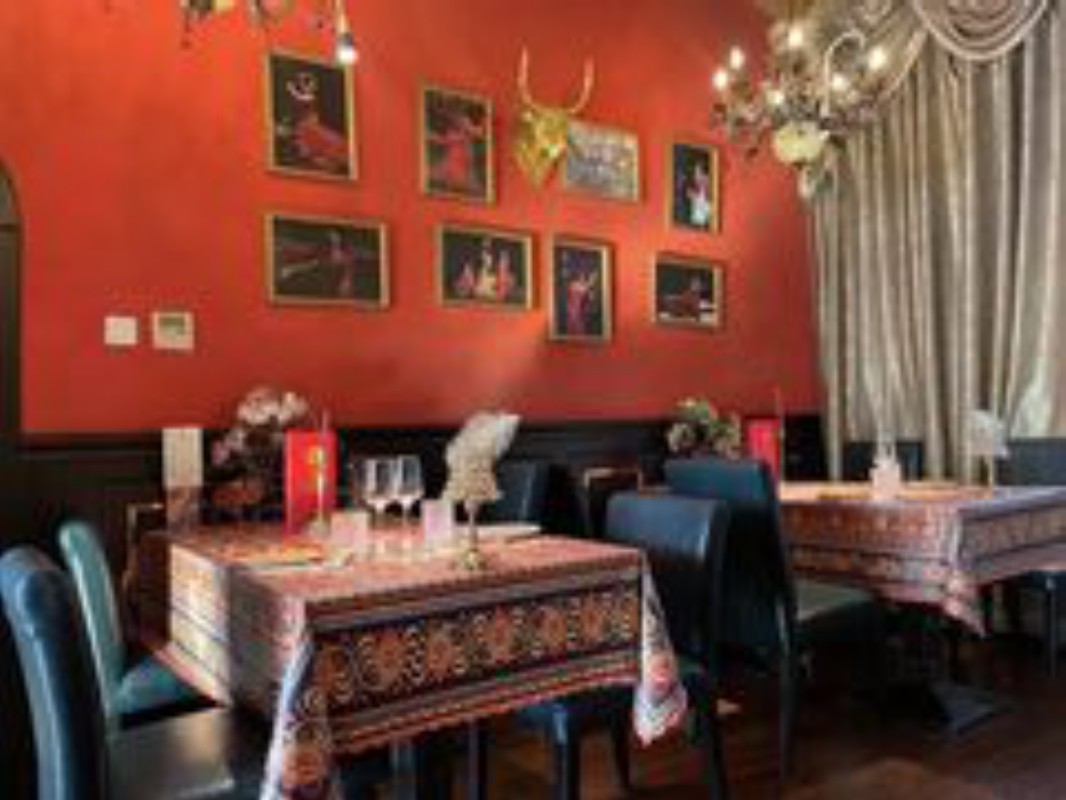
In Spain, many restaurants arrange long tables to encourage lively interaction, with music and laughter as part of the ambiance. Japanese restaurants, however, focus more on quietness and privacy, with seating typically at small tables or counters to facilitate interaction with the chef. Spanish dinners often start quite late, usually after 21:00, whereas Madrid Japanese Restaurant dinners are generally served between 18:00 and 20:00.
Service and Cultural Customs
In Spanish restaurants, servers frequently engage with guests, recommending dishes or chatting about the weather. Japanese restaurant service is more polite and restrained. For example, in Japan, the bill is presented with minimal disruption to the dining rhythm, whereas in Spain, payment at the table is often done directly.
Price and Perceived Value
Overall, Spanish restaurants tend to offer larger portions at moderate prices, ideal for gatherings with friends. Japanese restaurants focus more on the refinement of ingredients and the dining experience; some high-end sushi establishments can be quite expensive but offer unique flavors. Choosing according to personal taste and occasion allows you to enjoy the culinary charms of both cultures.
In conclusion, whether you prefer one type of restaurant or the other, understanding the Spanish Japanese Buffet Prices along with their cultural background and culinary features will make your dining experience richer and more engaging. This is one of the everyday pleasures of living in Spain.
