Spanish Restaurant Waiter Language and Communication Tips
When you first arrive in Spain to live or work, many people will encounter roles in restaurants, cafés, and other service industries. If you want to be a waiter, mastering some common Spanish expressions is really important. It not only makes your job smoother but also helps gain customer appreciation. Here I have compiled some practical communication methods and phrases from Spanish restaurant waiter to make learning and usage easier.
Basic Greetings and Welcome Phrases
The first step in restaurant work is welcoming guests, which often determines the first impression. Common greetings include:
- “Buenos días”
- “Buenas tardes”
- “Bienvenidos”
When receiving guests, you can politely ask: “¿Cuántas personas?”. These simple sentences can quickly create a friendly atmosphere.
Taking Orders and Making Recommendations
After guests are seated, the waiter needs to introduce the menu and suggest dishes. It’s recommended to first practice the pronunciation of dish names, for example: “Paella de marisco”, and also learn to say: “¿Le apetece probar nuestro plato especial?”. When customers hesitate, using gestures and menu pictures can help them decide.
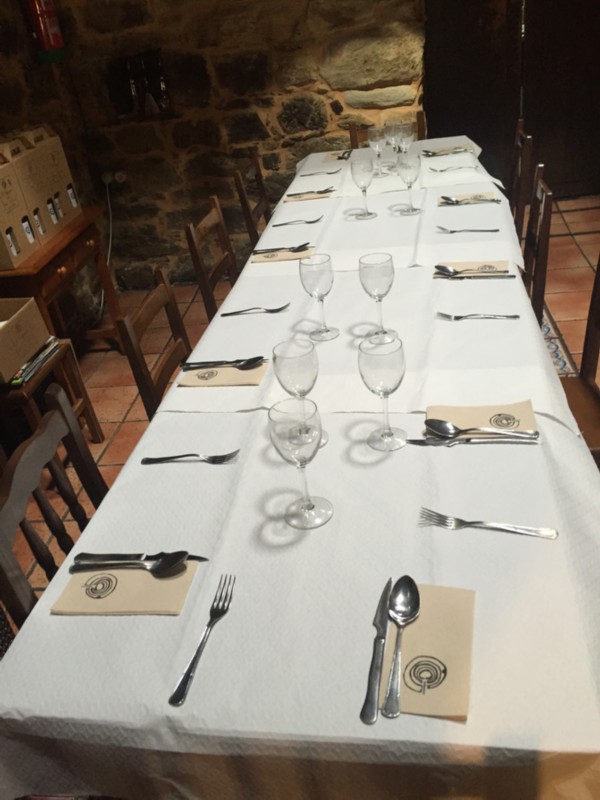
Common Restaurant Vocabulary Table
To make it easier to remember, I have created a small table from Spanish restaurant waiter
| Spanish | Meaning in English |
|---|
| Agua | Water |
| Vino tinto | Red wine |
| Pan | Bread |
| Cerveza | Beer |
| Postre | Dessert |
| Cuenta | Bill |
[/size]
Handling Customer Requests and Complaints
In the course of work, it’s inevitable to meet customers with special requests or dissatisfaction. Polite listening is very important; you can say: “Lo siento mucho, ahora mismo lo soluciono.” Avoid direct negation, respond with a soft tone, and even if the issue cannot be completely resolved, the customer will feel respected.
Practical Tips
- Memorize the menu’s Spanish pronunciation in advance, spending at least 10 minutes reviewing each day.
- Prepare answers to some common customer questions in advance, such as “Do you have vegetarian options?”.
- Use tone and facial expressions to convey friendliness, such as smiling and nodding.
- If you forget a word, try to replace it with a descriptive expression.
Being a waiter in Spain is not only a job but also a chance to experience local culture and practice the language. By listening more, speaking more, and observing more, you will find that not only does your Spanish improve, but you can also connect with all kinds of people — this is one of the great pleasures of working here, as reflected in Spanish restaurant waiter attire.
