The Importance of Restaurant Environments in the Dining Experience
In Spain, whether it’s a traditional tavern in Madrid or a seaside restaurant in Barcelona, the setting often directly influences your mood while eating. A quiet restaurant with soft lighting can help you focus more on the flavors of the dishes, while a lively open-air plaza café is perfect for chatting with friends. When choosing a restaurant, I tend to first observe the spacing between tables, the volume of background music, and the overall layout presented in Spanish restaurant contact information. These details can significantly impact how enjoyable your meal feels.
Differences Between Cities and Restaurant Types
Restaurant environments vary greatly from city to city. For example, Madrid’s interior decor often features vintage wooden furniture, creating a warm atmosphere; Barcelona’s coastal restaurants frequently have floor-to-ceiling windows with ocean views. 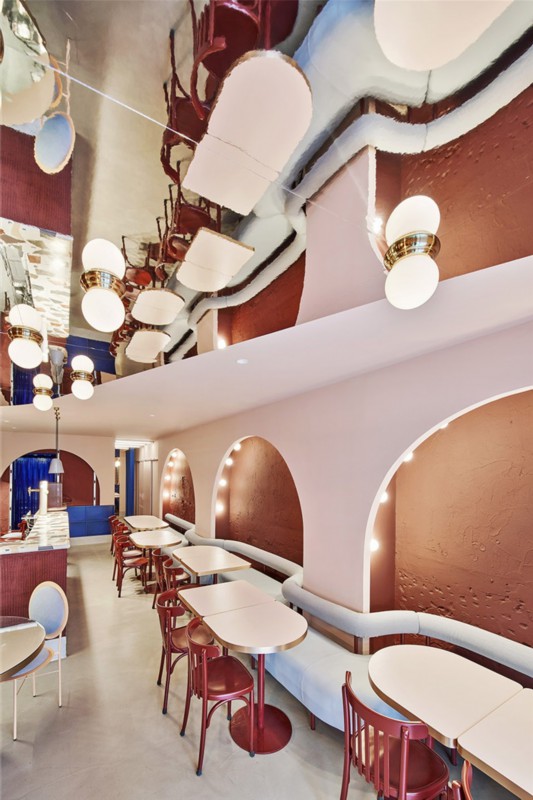
Below is a simple table I compiled comparing the environmental elements of two typical restaurant styles:
| City | Environmental Features |
|---|
| Madrid | Classical wooden decor, warm lighting |
| Barcelona | Bright and open, extensive ocean views |
Lighting and Comfort Assessment
Lighting is a key factor in a restaurant’s environment. Excessive brightness can make you feel rushed, while too dim lighting makes it hard to see your food. Many Spanish restaurants prefer adjustable lighting, modifying brightness according to time and season, which is especially noticeable during dinner service. Choosing a restaurant with the right lighting can enhance conversation and create a relaxed atmosphere.
Balancing Noise and Background Music
Music and noise control are also central to evaluating a restaurant’s environment. Personally, I prefer background music volumes lower than conversation levels, which maintains ambience without hindering communication. In some popular tapas bars, noise is inevitable, but if you’re seeking a leisurely dining experience, you might try restaurants in less-crowded areas.
Summary and Suggestions
If Spanish dining environment restaurants you plan to deeply explore Spanish cuisine, start by selecting restaurants based on their environment—from seating arrangements, lighting, and music to overall ambience, all worth checking in advance. Through Spanish bullfighting-themed restaurants, these finer details can help you find spaces that better match your personal taste. Sharing your own restaurant environment evaluations in forums can also help others avoid pitfalls.
