The Clever Combination of Space and Atmosphere
In Spain, many restaurants skillfully blend traditional cultural elements with modern design. For instance, in Barcelona’s old town, you might step into a restaurant that still retains century-old stone walls, yet inside it is adorned with vividly colored modern art pieces. This contrast creates a strong sensory memory, making dining not only a pleasure for the taste buds but also a visual feast. Especially when light streams through the small window described in Spanish Restaurant Phone, it generates a warm and welcoming afternoon feel.
Creative Furniture and Layout
Tables and chairs in a restaurant don’t have to be uniform. Many designers choose combinations of chairs with different materials and heights to break away from conventional stereotypes. This layout not only makes the space more adaptable but also encourages more interaction between guests. For example, some restaurants mix long communal tables with small round tables, so both large gatherings and intimate couple dates can find the right spot.
| Furniture Type | Design Features |
|---|
| Wooden long table | Features vintage carvings, ideal for group sharing |
| Metal high stool | Full of modern flair, perfect for bar areas |
| Canvas sofa | Soft and comfortable, suitable for extended stays |
Combining Color and Lighting
Color plays a vital role in restaurant ambience. Bright yellow and deep blue can create completely different moods; the former stimulates appetite, while the latter promotes relaxation. Lighting design works similarly: warm-toned lights provide a homely feel, while cool-toned lights suit a modern, minimalist style. In southern Spanish restaurants, it’s common to see mixed light sources—the ceiling fixtures provide basic illumination for the Spanish Ambience Restaurant, while table lamps add intimacy.
Accents of Art and Accessories
Artistic wall decorations may be small details, but they are crucial in defining a restaurant’s character. Hand-painted murals, local ceramic plates, and vintage posters all convey its cultural stance. Some settings adopt themes from local festivals; for instance, during Seville’s April Fair, the walls are covered with photos of dancers and colorful paper flowers, instantly immersing visitors in the rich local atmosphere. 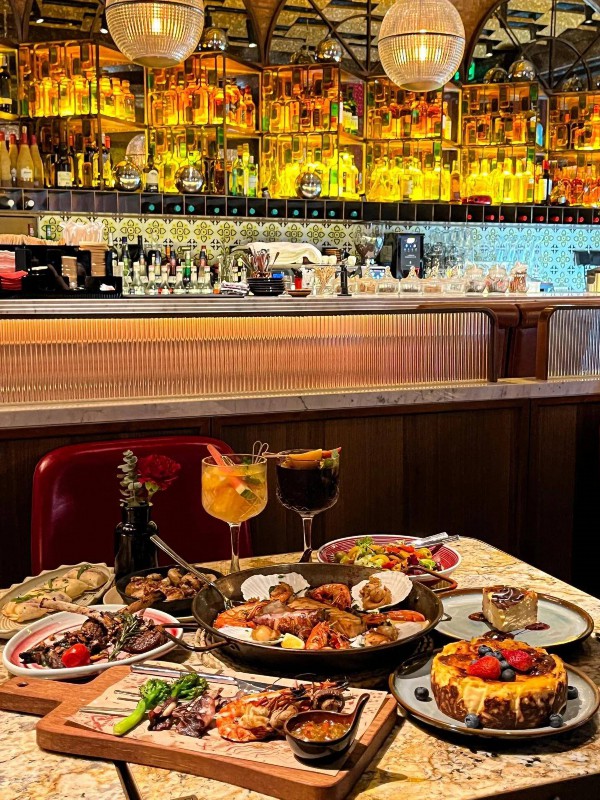
The Synchronized Experience of Sound and Scent
Beyond the visuals and textures of the Spanish Bullfighting Restaurant, sound and scent are equally important. A creative Spanish restaurant often plays soft guitar or flamenco music in the background, making guests feel truly immersed. Meanwhile, aromas of olive oil, freshly baked bread, and seafood wafting from the kitchen reinforce the memory on a subtle level. This kind of environment design turns the restaurant into more than just a place to eat—it becomes an experience that lingers in the heart.
