The Charm of Combining French and Spanish Restaurant Décor
In Spain, it’s common to see some restaurants drawing inspiration from the elegance and romance of France. Whether in the alleys of Madrid or along the shores of Barcelona, that refined attention to detail often leaves a lasting impression. This cross-cultural décor not only enhances the overall atmosphere but also helps restaurants stand out in the competitive dining market. 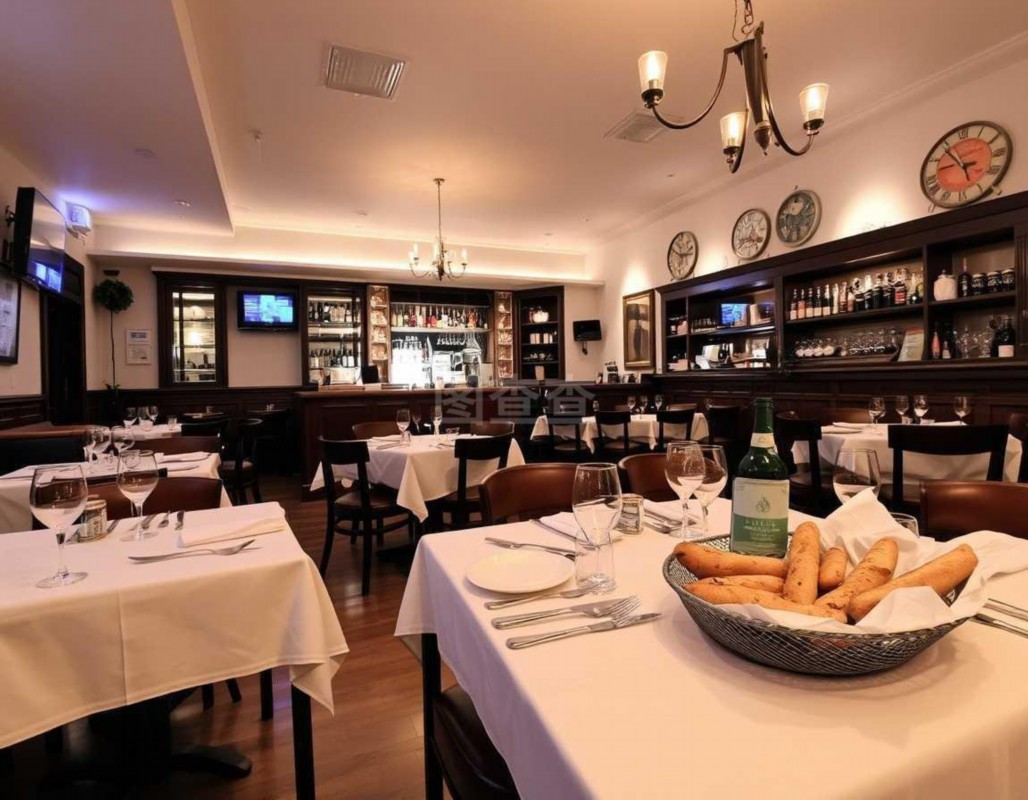
Choosing Colors and Materials
French restaurants often favor light-colored walls and wooden furniture, while Spanish ones tend to embrace bright tones and natural materials. You might try combining aqua blue with warm orange, blending Spanish passion with French sophistication. Solid wood tables and chairs paired with simple wrought-iron pendant lights can give the entire space both texture and approachability.
Layout and Functional Zoning
A smart allocation of space not only affects customer experience but also reflects the owner’s attention to detail. French restaurants prefer to maintain space between tables to ensure privacy, while Spanish restaurants often create open, lively atmospheres. The table below compares the layout features of the two styles:
| Style | Layout Features |
|---|
| French | Wider table spacing, clear zoning |
| Spanish | Open and fluid, highly interactive |
This arrangement allows for flexible adjustments during varying customer flows to suit different occasions.
Decorations and Atmosphere
Walls can display a mix of French vintage oil paintings and Spanish festival photographs, eclectic yet harmonious. For lighting, French restaurants emphasize soft warm lights, whereas Spanish ones often use brighter illumination to highlight vibrancy. Try placing adjustable lighting in the central area so the atmosphere can be adapted to the time of day.
Details and Service Experience
For tableware, combine fine French porcelain plates with Spanish pottery, and the French-Swiss-Spanish restaurant will make each dish’s presentation feel more like a story. In terms of music, play lively Spanish guitar during the day and add French chanson in the evening to enhance the rhythm and thematic feel of the dining experience; such details often leave customers with stronger memories.
Conclusion and Suggestions
Combining French and Spanish restaurant décor requires balancing the aesthetics and functionality of both cultures. Whether trying this at home or opening a restaurant, understanding the importance of colors, materials, layout, and atmosphere is key to creating a successful space. Feel free to share in the comments your favorite restaurant designs you’ve seen or created yourself at the Spanish-French cuisine restaurant, so more French-Spanish restaurant decoration lovers can appreciate this cross-cultural beauty.
