Space Layout and Cultural Fusion
Opening a Spanish-style restaurant in Brazil is not just a business venture, but also a meeting and blending of cultures. The layout should fully reflect the openness and warmth of a Spanish restaurant, such as spacious dining areas, visible open kitchens, and Brazilian Spanish Restaurant Layoutsignature bar areas. In Brazil, customers tend to enjoy long social and dining times, so table and chair arrangements should balance comfort with an airy feel.
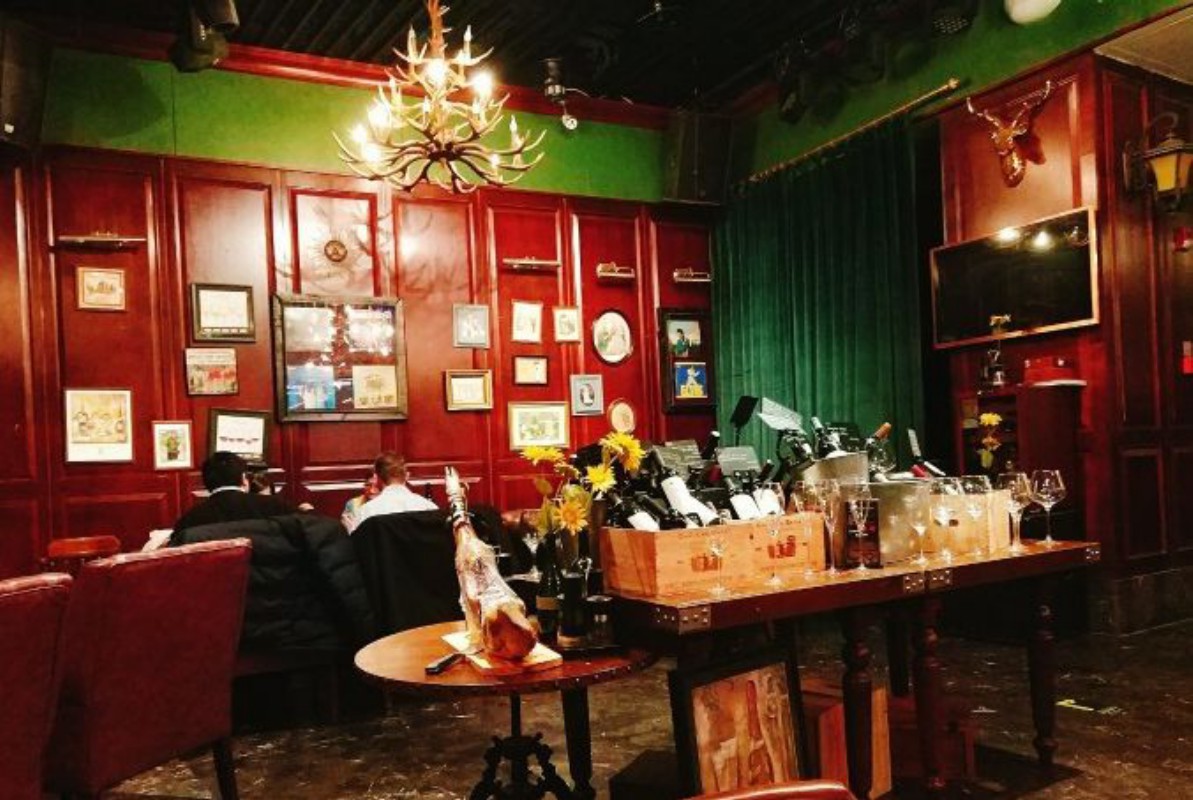
Material Selection and Color Matching
Spanish restaurants often use natural materials to create texture, [Brazilian Spanish Restaurant] for example, wood, terracotta, and wrought iron. In Brazil, Brazilian Courtyard Spanish Restaurant these materials are not only easily available but also adapt well to local climate changes. In terms of colors, you can boldly combine warm shades with Brazil’s vibrant colors, such as the contrast between yellow and deep blue. A moderate splash of color can make the space feel more energetic.
Common Functional Areas Reference Table
| Area | Design Highlights |
|---|
| Dining Area | Spacious, bright colors, soft lighting |
| Kitchen | Open-plan, facilitates interaction with guests |
| Bar | Mainly decorated with Spanish tiles |
Lighting and Atmosphere Creation
Lighting is the core of a restaurant’s atmosphere. A Spanish restaurant in Brazil can use warm yellow pendant lights combined with wall lamps to highlight a cozy feel. During special occasions, colorful light decorations and wine bottle displays can echo each other, allowing customers to feel the seasonal changes in ambiance.
Decorations and Details
Decorative details often determine customers’ first impressions of the restaurant. You can hang photos of Spanish bullfighting or Flamenco dancing on the walls, or display works by local Brazilian artists to achieve a dual-cultural showcase. For plating, choose handcrafted ceramic tableware to emphasize the artisanal feel of the space.
Conclusion and Suggestions
Designing a Spanish-style restaurant in Brazil does not mean completely copying Spanish designs, but rather combining traditional elements with local lifestyle habits and aesthetics. Whether it is the space layout, materials and colors, or lighting and decoration, all should integrate both cultural aesthetics, turning the restaurant into a place of cultural convergence and taste enjoyment, leaving customers with a memorable dining experience.
