Detailed Guide to Spanish Restaurant Service Process
When dining in Spain, beyond savoring the food, experiencing the restaurant’s service process is also an important part of the visit. Unlike the fast-paced dining service in some countries, Spanish restaurants usually emphasize ambiance and interaction. Here we share a fairly complete process to help newcomers feel more comfortable.
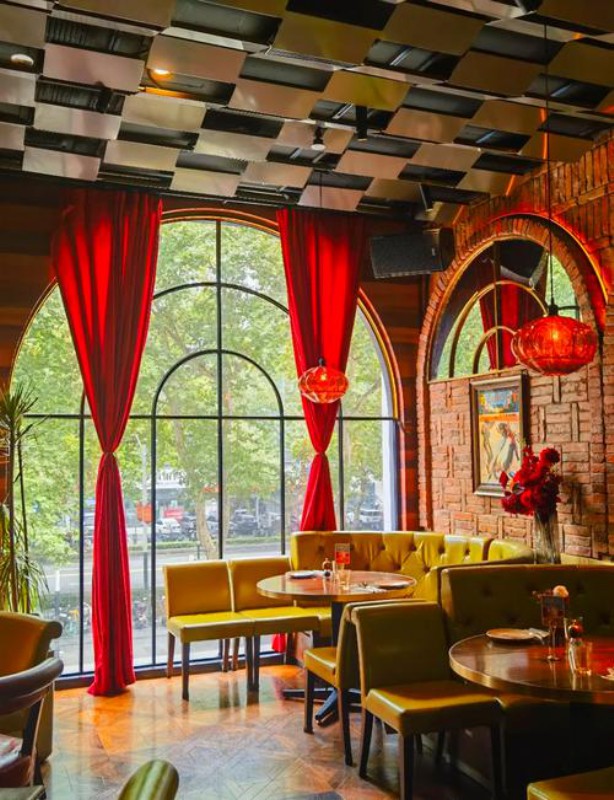
Welcome and Seating
Upon entering a restaurant, you will usually be warmly greeted by the waiter and asked about your party size. In Spain, making a reservation in advance is common practice, especially on weekends or during holidays. The waiter will guide you to your seat and hand you the menu. At this moment, you can take a look around and feel the restaurant’s ambiance. Remember to smile in return — Spaniards value this friendly interaction.
Ordering Food and Drinks
In Spanish restaurants, ordering is unhurried. The waiter often first recommends the house specialties or seasonal local dishes. You may begin with choosing a drink, such as tinto de verano or sangría. The typical ordering sequence is as follows:
| Step [Poor Spanish restaurant service] | Content |
|---|
| 1 | Beverage selection |
| 2 | Starter |
| 3 | Main course |
| 4 | Dessert |
Sometimes restaurants also offer a daily set menu at a relatively affordable price. We recommend first-time visitors to boldly try the set menu.
Serving Pace
Dining in Spain is relatively slow-paced. Starters and drinks are usually served first so that guests can eat and chat at the same time. The main course and dessert arrive only after you finish the previous dish. Don’t rush the staff — patience is part of the experience. This pace allows more [Spanish restaurant reservations] time for conversation, with many locals lingering at the table for over two hours.
Conversation and Atmosphere
In addition to [Spanish restaurant service] and great food, conversation is one of the core elements of the Spanish dining experience. You will notice constant laughter from nearby tables. It’s a good idea to put away your phone and talk with your companions about life, travel, or food. This is also a window into understanding Spanish culture. A comfortable pace and genuine conversation make up the typical Spanish restaurant experience.
Paying the Bill and Tipping
In Spain, the bill is not always brought automatically, so you may need to signal the waiter or say “La cuenta, por favor.” In most restaurants, the bill already includes a service charge, and tipping is not mandatory, but if you are satisfied with the service, leaving one or two euros is a friendly gesture. After paying, remember to say goodbye to the waiter, as this politeness is seen as a sign of respect and gratitude.
In summary, the service process in Spanish restaurants is more than just serving dishes and collecting payment; it is a cultural exchange. Approaching it with an open mind will help you enjoy this slow and warmly human dining style even more.
