Living in Spain, eating out is an integral part of everyday life. Upon arrival, many newcomers are curious about the spending process at restaurants. The atmosphere in Spanish dining venues is generally relaxed, but there are a few small details worth knowing in advance.
Ordering Process
After entering a restaurant, you usually wait for the waiter to arrange a table, although in some cases you can directly take an available seat. In more formal restaurants, it’s recommended to follow the waiter’s guidance. Menus are often provided in both Spanish and English; if you don’t understand something, simply ask the staff. Meals and drinks are listed separately, unlike in some countries where set menus dominate. Remember to clearly state the dish name you want or point to it in the menu for the waiter.
| Common Dishes | Average Price |
|---|
| Lunch set Menu del día | 10-15 |
| Paella | 15-25 |
| Croquetas | 6-8 |
| Café | 1.5-2.5 |
Tipping Culture
In Spain, tipping is not mandatory, but if service is satisfactory, it’s common to leave 5%-10% of the bill amount. In large cities, especially tourist areas, visitors may tip at rates Spanish Restaurant higher than average. If your Spanish Restaurant Spending visit is only for coffee or beer, leaving some loose change is still considered polite.
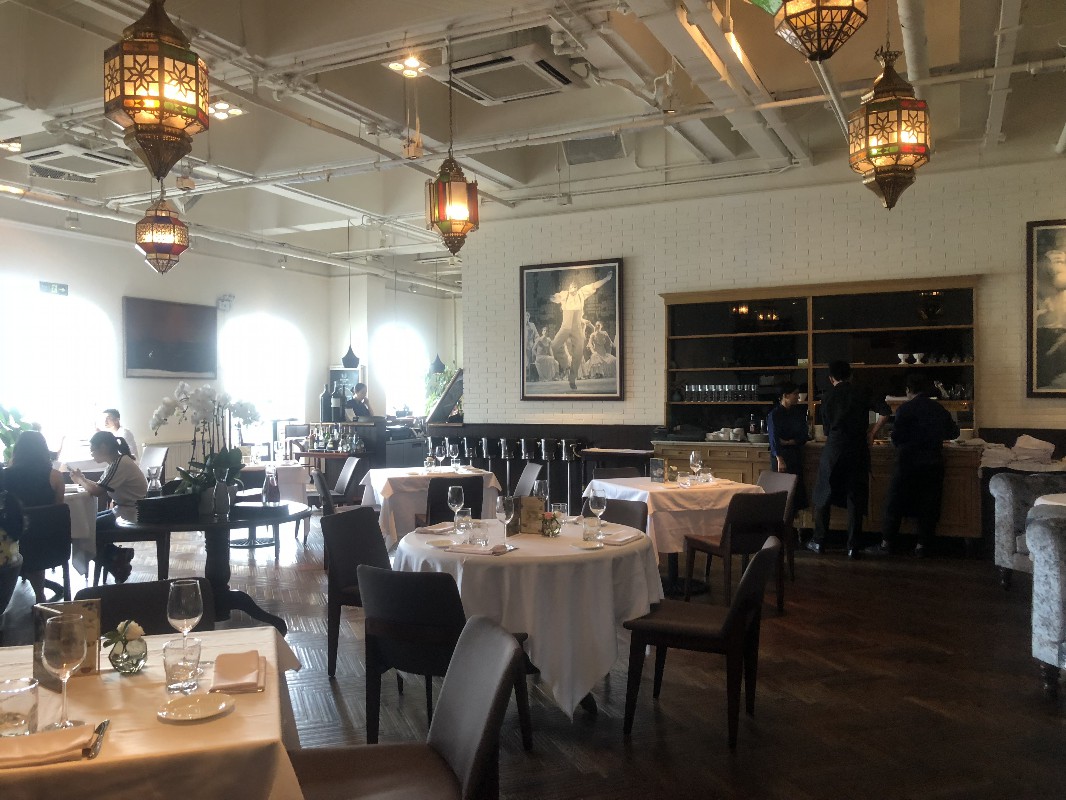
Peak Dining Hours
Spanish dining times differ from many other countries. Lunch rush generally occurs from about 13:30 to 15:30, while dinner hours are from 21:00 to 23:00. If you are used to eating dinner early, you may need to choose a café or casual restaurant, as many restaurants close for an afternoon break.
Special Spending Habits
At some restaurants, if bread or olives are placed on your table, they may be charged even if you didn’t order them. These items often appear on the bill as servicio de pan or aperitivo. Although the fee is usually small, if you don’t want them, politely decline when first seated.
Payment and Bill
In addition to cash, most restaurants accept credit cards, though in smaller towns cash remains common. Bills are typically brought to your table by the waiter, but sometimes you may need to go to the cashier. Don’t forget to check your bill for any additional items, especially drinks, which are prone to errors.
By mastering these small tips, you can make your experience dining in Spanish restaurants smoother and avoid awkward situations due to cultural differences.
