Bread Culture in Spanish Restaurants
When dining in Spanish restaurants, almost every time you sit down, the waiter will bring you a small basket of bread. This is not simply a free gift, because in many restaurants, this bread is actually added to the bill.
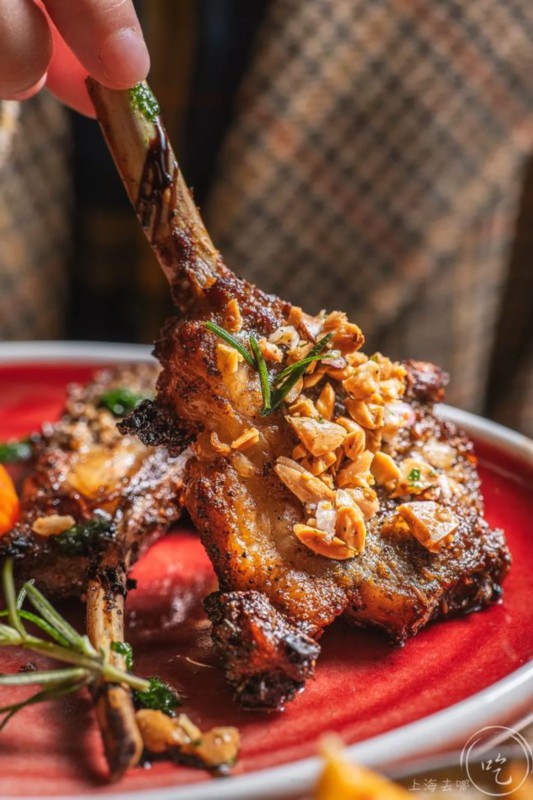
Many visitors new to Spain wonder why bread is served before ordering dishes. In fact, this is part of the Spanish table culture. Bread is considered an essential side to the meal. Whether you order paella or roast meat, a piece of fresh bread can always balance the flavors. In Andalusia, Catalonia, and the Basque Country, each restaurant’s bread has its own unique taste.
Bread Charges
In tourist areas, charging for bread is almost standard, even if you didn’t actively order it, it will arrive with your meal. If Spanish restaurant bread free is not something you need, you can tell the waiter in advance. Here are common prices:
| Region | Average Price |
|---|
| Madrid | 1.5 |
| Barcelona | 1 |
| Seville | 1.2 |
Don’t overlook this cost, especially during long trips; bread charges can add up.
How to Enjoy Restaurant Bread
In Spain, the way you eat bread is quite refined. You can dip it in olive oil, spread tomato puree, or use it to accompany the sauces of main dishes. Some people even dip bread into dessert sauces after the meal—don’t be surprised, this is a local custom.
Traveler Tips
If Spanish restaurant bread costs matter to you, you can:
- Confirm before sitting down whether bread is charged.
- Accept only the amount you truly want to eat.
- Buy bread in local markets and take it to picnics or buffets.
Summary
Bread on the Spanish table is more than just food; it is a cultural symbol. It represents leisurely dining time, interpersonal connection, and regional flavors. Next time you visit a Spanish restaurant, take a moment to savor that fragrant slice of bread, and you’ll feel closer to the local rhythm of life.
