Case Background
In Spain, a country with a diverse culinary culture, a restaurant’s success depends not only on the quality of the food but also on factors such as location, ambiance, and service processes. This article takes a Mediterranean-style restaurant in Barcelona as an example to share some of its daily operational practices for your reference.
Location and Site Selection
This restaurant is situated on a seaside pedestrian street, surrounded by many tourists and local residents. Location close to cultural landmarks gives it a steady flow of customers. Before opening, the owner conducted a three-month pedestrian traffic survey to determine optimal business hours and peak times. 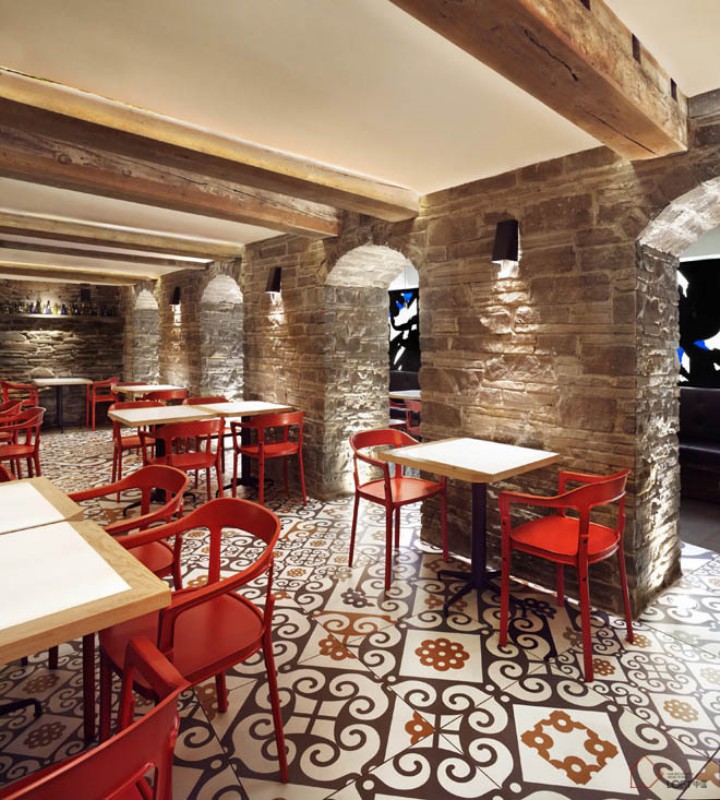
Menu Design and Innovation
The restaurant’s menu combines traditional Catalan dishes with modern creative cuisine, updated quarterly. The focus is on limiting the number of dishes to ensure quality and serving speed.
| Dish Category | Special Notes |
|---|
| Seafood | Freshly purchased daily, highlighting original flavor |
| Vegetarian | Supplied directly from local organic farms |
| Desserts | Low-sugar innovative flavors |
These methods make customers feel that, although the choices are few, each dish is worth trying, avoiding redundancy that reduces the dining experience.
Service Experience
All staff undergo targeted training, such as learning how to communicate with guests from different cultural backgrounds. Flexible communication is their advantage. The restaurant features an open kitchen, allowing customers to visually observe the cooking process, enhancing trust and interaction.
Customer Feedback and Reputation
The restaurant collects feedback through offline questionnaires and Google reviews. Data from Spanish Restaurant Style show that over 70% of customers plan to return on their next visit to Barcelona. Although there are occasional negative reviews about long waiting times, the owner promptly adds temporary seating or offers complimentary drinks, constantly improving the details.
Conclusion and Discussion
Through this restaurant’s case study, we can see that in Spain’s culinary culture, balancing tradition and innovation, location and traffic analysis, service quality and reputation management are all key to success. Which restaurants in your city share these success factors? Feel free to share your observations and experiences in the comments section.
