Analysis of the Differences Between Leeds Restaurants and Spanish Restaurants Leeds Spanish Restaurant
Many people who have just moved to Leeds, UK, tend to compare local restaurants with Spanish restaurants when choosing where to dine. This is not only because the food cultures of the two locations are distinctly different but also because eating habits reflect a diversity of lifestyles. This article explores several dimensions of the differences between Leeds restaurants and Spanish restaurants.
Differences in Culinary Style
Restaurants in Leeds are more influenced by British and international fusion cuisine, focusing on simplicity and high-calorie dishes such as fish and chips, meat pies, and creative dishes blending Indian and Southeast Asian flavors. Spanish restaurants, however, are characterized by seafood, olive oil, and abundant spices, from paella to tapas, emphasizing the natural taste of ingredients and flexible pairings.
| Type | Signature Dishes |
|---|
| Leeds restaurant | Fish and chips, Yorkshire pudding |
| Spanish restaurant | Paella, chilled Gazpacho soup |
Differences in Dining Atmosphere
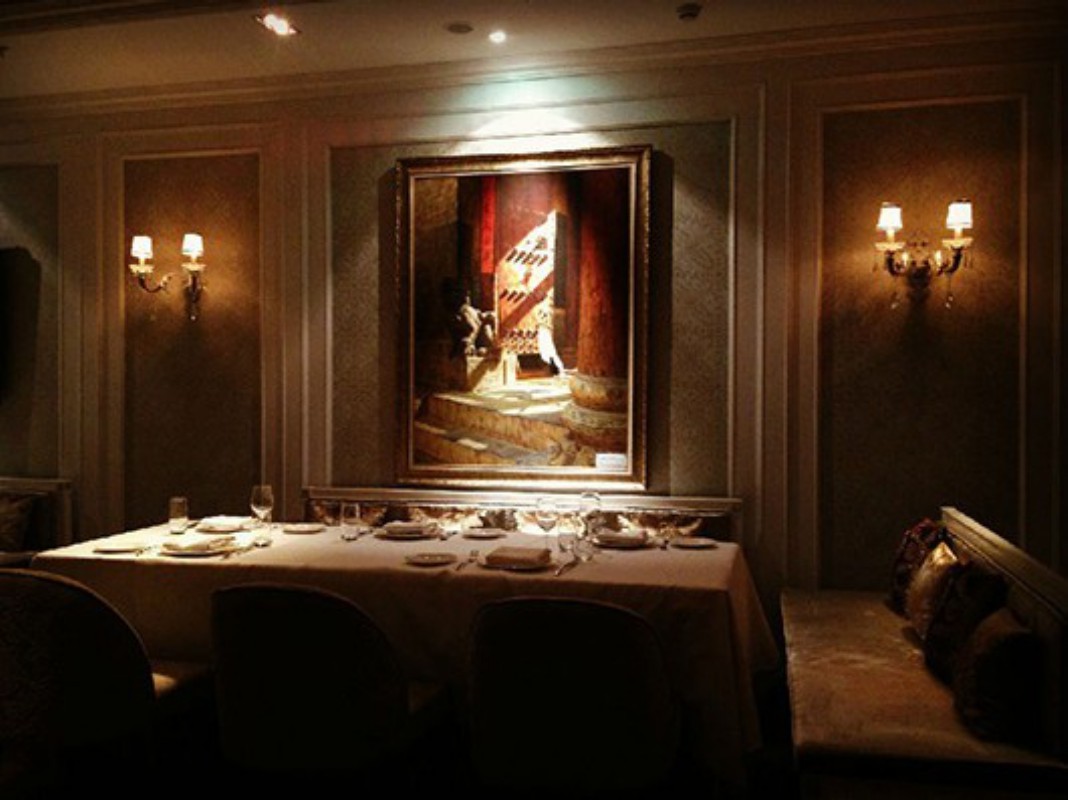
In Leeds, many restaurants maintain a quiet environment with soft lighting, suitable for business lunches or small gatherings. Spanish restaurants offer a more lively atmosphere, often featuring live music performances, where people enjoy conversing while dining and may extend meals until late at night. This aspect is very appealing to diners at the Leeds Spanish Restaurant who love vibrant, social experiences.
Dining Culture and Meal Times
People in Leeds tend to have lunch between 12:00 pm and 2:00 pm, with dinner usually starting earlier in the evening. In contrast, Spanish restaurants often serve dinner as late as 9:00 pm or even later, reflecting the local lifestyle and climate. For those accustomed to eating dinner earlier, this may require some adjustment.
Sourcing of Ingredients and Cooking Methods
Leeds restaurants rely heavily on locally sourced British produce such as potatoes, beef, and cheese. Spanish restaurants, on the other hand, make extensive use of Mediterranean coastal seafood, olive oil, tomatoes, and other fresh products, with seasoning styles that showcase the distinctiveness of the Mediterranean diet. Do not underestimate these differences—they directly influence the taste and health value of the food.
Price and Value for Money
Generally, prices at Leeds restaurants vary depending on cuisine and location, but mainstream British restaurants tend to have relatively transparent pricing. Spanish restaurant prices are influenced by ingredient costs and cooking complexity; sometimes a single paella can serve as the centerpiece of a meal. Nevertheless, whichever you choose, you can decide based on your budget and taste.
We hope these insights help you make a more suitable choice when dining at either Leeds or Spanish restaurants, and we welcome everyone to share their experiences and recommend restaurants in the comments section.
