What Is Invisible Background Wall Design
In many restaurants across Spain, background walls are not merely decorative surfaces but an integral part of the overall environment. The concept of “invisible background wall” refers to using materials, colors, and spatial layouts to visually blend the wall with its surroundings. This reduces abrupt contrasts and allows guests to focus on the food and conversation.
Common Materials for Invisible Background Walls
Different types of restaurants choose materials that create varying levels of invisibility, for example:
| Material | Features |
|---|
| Wooden veneer | Warm and natural, suitable for traditional Spanish taverns |
| Matte stone | Low-key and elegant, perfect for upscale restaurants |
| Mirrored glass | Expands the sense of space, suitable for modern styles |
| Wallpaper or paint | Colors close to the surrounding environment, economical and practical |
When selecting materials, consider the restaurant’s overall style and lighting conditions to avoid issues with glare or clashing colors.
Color Matching Tips for Invisible Background Walls
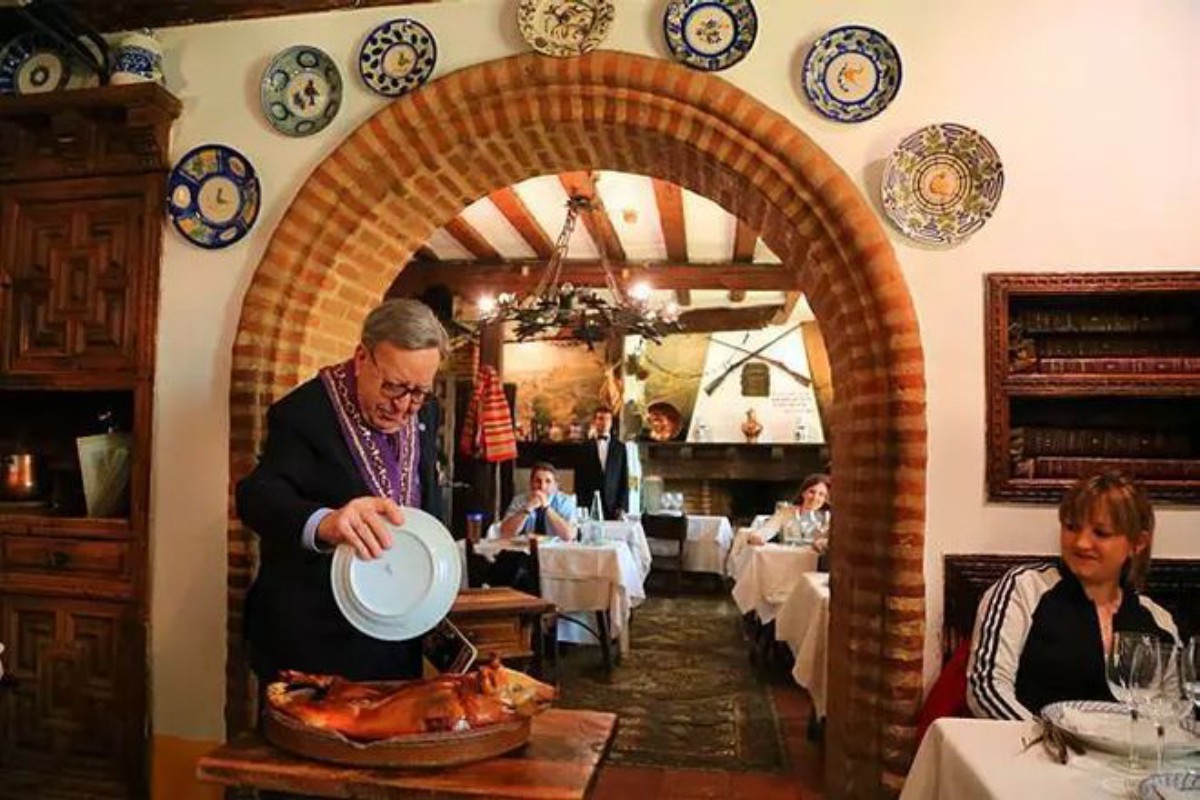
Color is the key to achieving an invisible effect. In Spanish restaurant design, a common approach is to match the background wall color with the dominant color scheme of the dining space, such as beige, light gray, or pale wood tones. Through such combinations, guests’ visual focus will not be interrupted by stark color contrasts, making the dining experience more relaxed.
The Relationship Between Lighting and the Invisible Effect
Lighting can enhance or diminish the presence of background walls. Soft, diffused light allows the wall edges to transition naturally into the environment, while accent lighting can be used to highlight special areas of the restaurant without affecting the overall invisible effect. In Barcelona or Madrid, many restaurants use a combination of pendant lights and track spotlights, giving the space depth without compromising unity.
Practical Advice and Discussion Topics
If you operate or plan to renovate a restaurant in Spain, start by conducting a color and material combination test. Photograph the background wall at different times of day to observe whether variations in light and color meet the invisibility requirements. Feel free to share examples of invisible background walls you’ve seen in restaurants across different cities in threads like Spanish Restaurant Background Wall, especially those incorporating elements of local culture, to inspire beginners during renovation with more Spanish Restaurant Background Wall ideas.
In lifestyle forums, discussions about invisible background walls are not only about design aesthetics but also concern business operations and customer psychology. Do you think invisible design can influence how long guests stay and their willingness to spend? Join the conversation and share your thoughts!
