The Blend of Space and Atmosphere
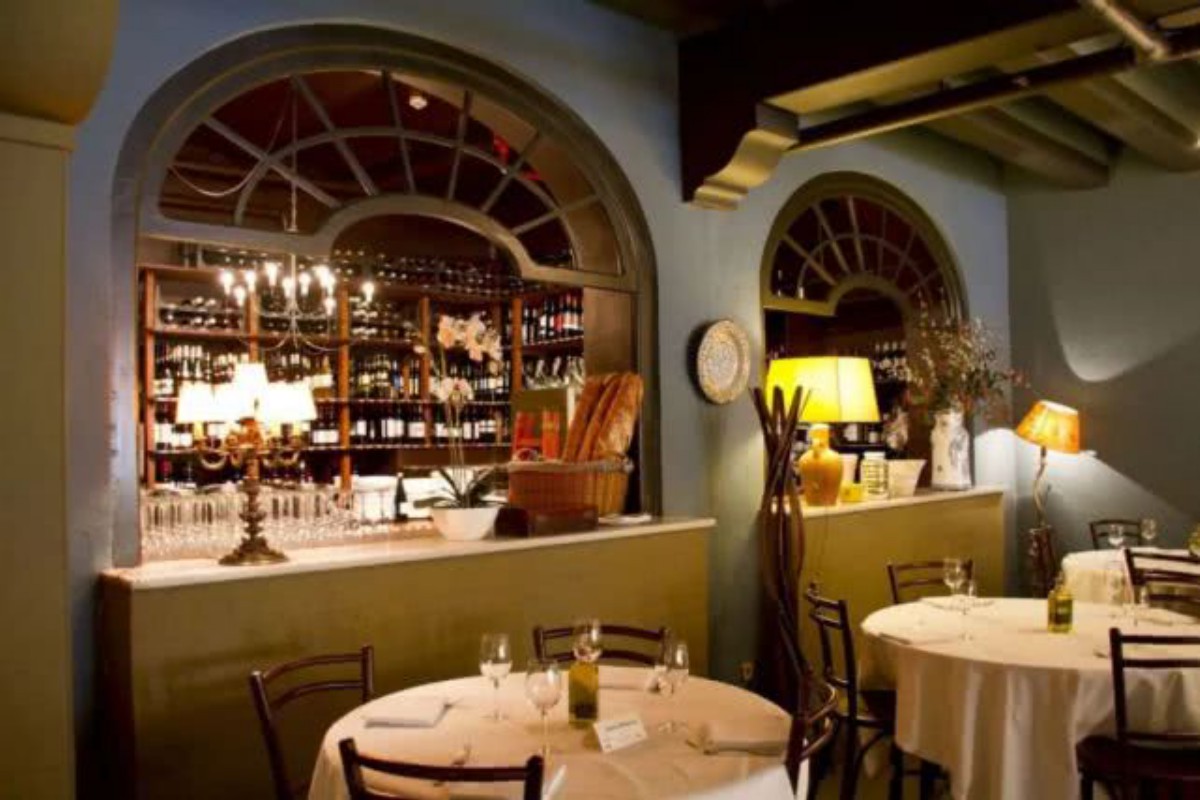
In Spain, a restaurant is not just a place to eat but also a space for socializing and enjoying life. Design concepts often emphasize [ i ]a warm and open atmosphere[/i]. For example, in Barcelona, many restaurants use floor-to-ceiling windows to bring in natural light, allowing diners to interact with the lively street scene while eating. Choosing colors that echo the surroundings, such as warm yellow or orange-red, can make the space feel more welcoming, while soft lighting enhances the comfort of the evening experience.
Use of Materials and Colors
Common materials in Spanish design include wood, wrought iron, and handcrafted tiles, elements that convey both a sense of history and warmth. Wooden tables and chairs paired with hand-painted patterned tile walls can create a vintage yet fresh feeling. Blue and white combinations are perfect for restaurants in coastal cities, while deep red is ideal for traditional inland eateries, creating a vibrant dining atmosphere.
Functional Layout and Flow
When designing a restaurant, well-planned traffic flow is essential. An open kitchen can increase interaction between the restaurant and customers, allowing people to see how fresh ingredients are prepared, thereby boosting trust. Seating arrangements should cater to different types of guests—couples, families, or large gatherings—ensuring everyone has a comfortable experience. Below is a simple layout overview table:
| Area | Function |
|---|
| Dining Area | The main space where guests enjoy their meals |
| Bar Area | Offers Spanish Restaurant Design drinks and light meals |
| Kitchen | Ingredient preparation and cooking |
| Storage Area | Stores ingredients and tableware |
Incorporating Regional Culture
Each region of Spain has unique cultural symbols, and these elements can be integrated into restaurant design. For example, Andalusian mosaic patterns, Galician fishing port décor, and Basque wooden beams with stone walls can all give a restaurant distinctive character. Upon entering, guests immediately feel immersed in the strong local culture—an experience often more moving than the food itself.
Sustainability and Modern Trends
In recent years, Spanish restaurant design has increasingly embraced sustainability. Reclaimed wood, energy-efficient lighting, and locally sourced furnishings not only lower operating costs but also convey an eco-conscious message. The combination of modern minimalism with traditional elements creates spaces that carry historical legacy while reflecting contemporary aesthetics. Such restaurants, whether in the heart of Madrid or on a small-town corner, become beloved destinations people are eager to return to.
