Introduction
In Spain, whether in bustling cities or quaint coastal towns, restaurants are not just places to enjoy food but spaces for communication and cultural experiences. The Deji style of restaurant design, with its combination of traditional and modern elements, is becoming increasingly popular among restaurateurs. This approach emphasizes detail and texture, offering guests a dining experience that feels comfortable and rich in storytelling.
Coordination of Colors and Materials
Deji-style Spanish restaurant design pays particular attention to warm tones, often incorporating terracotta, beige, and deep wood shades to create a calm and welcoming atmosphere. In terms of materials, natural wood, stone, and handcrafted tiles are commonly chosen, infusing the space with a sense of nature and artisanal craftsmanship. The combination of tactile and visual elements makes the restaurant feel more inviting.
Spatial Layout and Flow
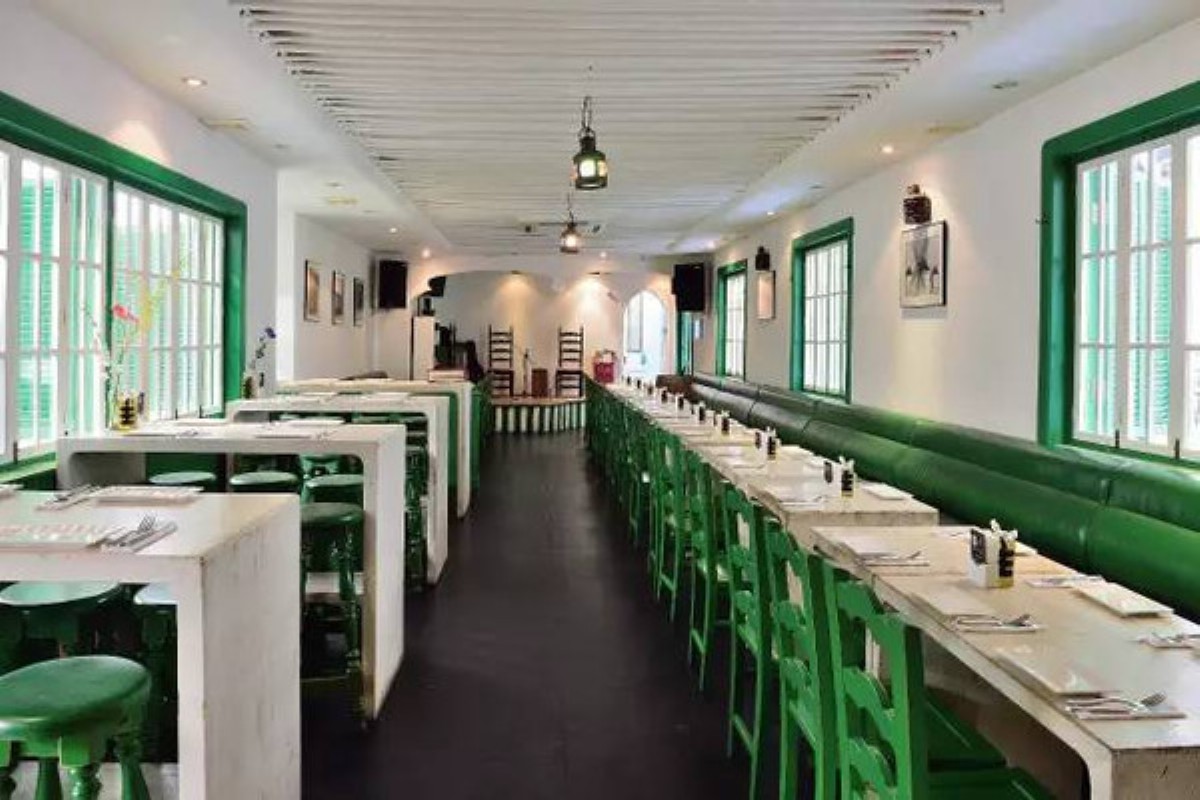
A well-planned spatial layout is vital in Deji designs, combining open and semi-open configurations to ensure privacy while allowing guests to feel the restaurant’s vibrancy. The bar area is usually located next to the main dining area for ease of interaction and service. Kitchen placement and traffic flow must be smooth, avoiding interference or crossover.
| Area | Suggested Layout |
|---|
| Dining Area | Divide into open sections and private rooms |
| Bar | Near the entrance or center |
| Kitchen | At the back but with convenient service access |
Incorporating Cultural Elements
Deji-style Spanish restaurants love to express regional culture through décor, such as hand-painted mosaics on walls, antique ornaments, or local artworks. Cultural elements should be more than mere decoration—they can spark conversation among guests and even become iconic photo spots for the venue.
Lighting Design and Ambience
Lighting is key to shaping the restaurant’s atmosphere. Deji restaurants often use soft hanging lights or wall lamps, with Deji Restaurant using localized lighting to highlight tables and decorative details, avoiding overly bright or dim environments that could affect dining. On long Spanish nights, warm lighting encourages customers to linger, enhancing their overall experience.
Conclusion
Deji Spanish restaurant design is not only an expression of aesthetics but also a balance of function and culture. By thoughtfully combining color, materials, layout, cultural elements, and lighting, a restaurant can stand out from the competition. If Deji Restaurant Prices you are planning to open a new restaurant or renovate an existing space, consider this design style and merge it with your own theme to create a place customers will want to return to again and again.
