Observing Behavior and Etiquette in Spanish Restaurants
As a long-time forum member, I recently chatted with friends after a dinner gathering about certain habits and standards for evaluating conduct in Spanish restaurants, and felt it worthwhile to share. The atmosphere and service style in these restaurants often feel novel to newcomers, but small awkward moments can arise simply from not knowing the local customs.
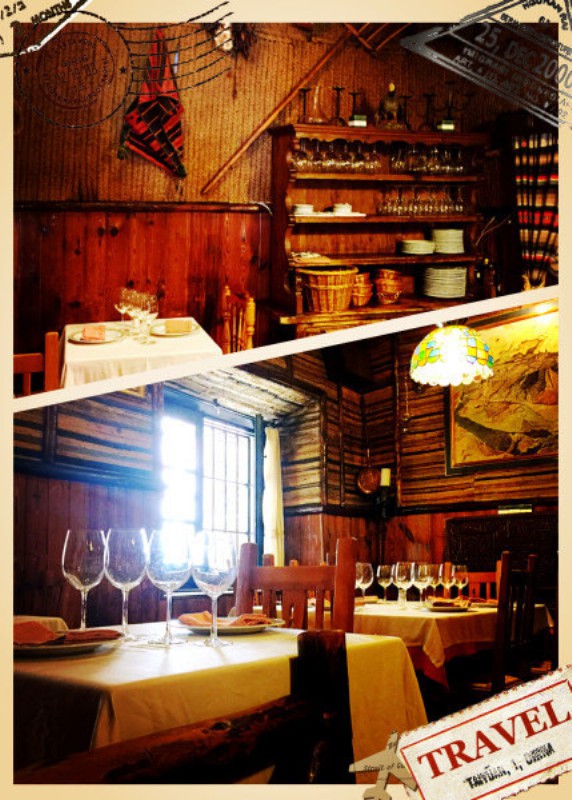
Waiter Attitudes
In Spain, most restaurant waiters will not stand by your table all the time, but serve as needed. Some might misinterpret this as indifference; in reality, the pace is meant to give guests more private space. Calling the waiter proactively is very common and won’t be seen as rushing them.
Waiting for Food and Conversation
Service speed in Spanish restaurants is relatively relaxed, especially at dinner which often goes on until after 10 p.m. While waiting, people tend to chat or enjoy wine in a more Spanish restaurant style. If you prefer fast dining, this habit may take some getting used to. The slow pace adds a certain life-like flavor to the experience.
| Behavior | Local Evaluation |
|---|
| Calling the waiter proactively | Considered polite |
| Quick dining | Slightly impatient |
| Talking to strangers | Warm and outgoing |
Payment and Tips
In Spanish restaurants, tipping is not mandatory, but if the service is good, leaving 5%-10% of the bill amount is seen as a sign of respect and gratitude. Some bills already include a service charge, so carefully checking the bill is a good habit.
Common Misunderstandings
Many people ask to change seats immediately upon arrival, but in some restaurants, seating is arranged by the staff according to daily conditions, and excessive requests may be considered impolite. Also, place your order all at once rather than continually adding items; this helps the kitchen work more efficiently.
My Advice
In a Spanish restaurant, relax and savor the moment—even just having a coffee can let you feel the warmth at the Bangkok Spanish restaurant. Dining with friends or family in such an environment is often not just about filling your stomach, but also about a social and cultural experience. I hope more people, when visiting restaurants, focus not only on the food but also on [“communication at the table”]—that subtle and lovely part of the experience.
