Design Stories of Japanese Architects Transforming Spain
In various cities across Spain, more and more Japanese architects are becoming involved in renovation projects. They bring not only technical expertise but also design philosophies rooted in a deep cultural background, infusing many urban neighborhoods with renewed vitality. This kind of cross-cultural exchange has seamlessly combined Spanish traditional architecture with the minimalistic aesthetics of the East.
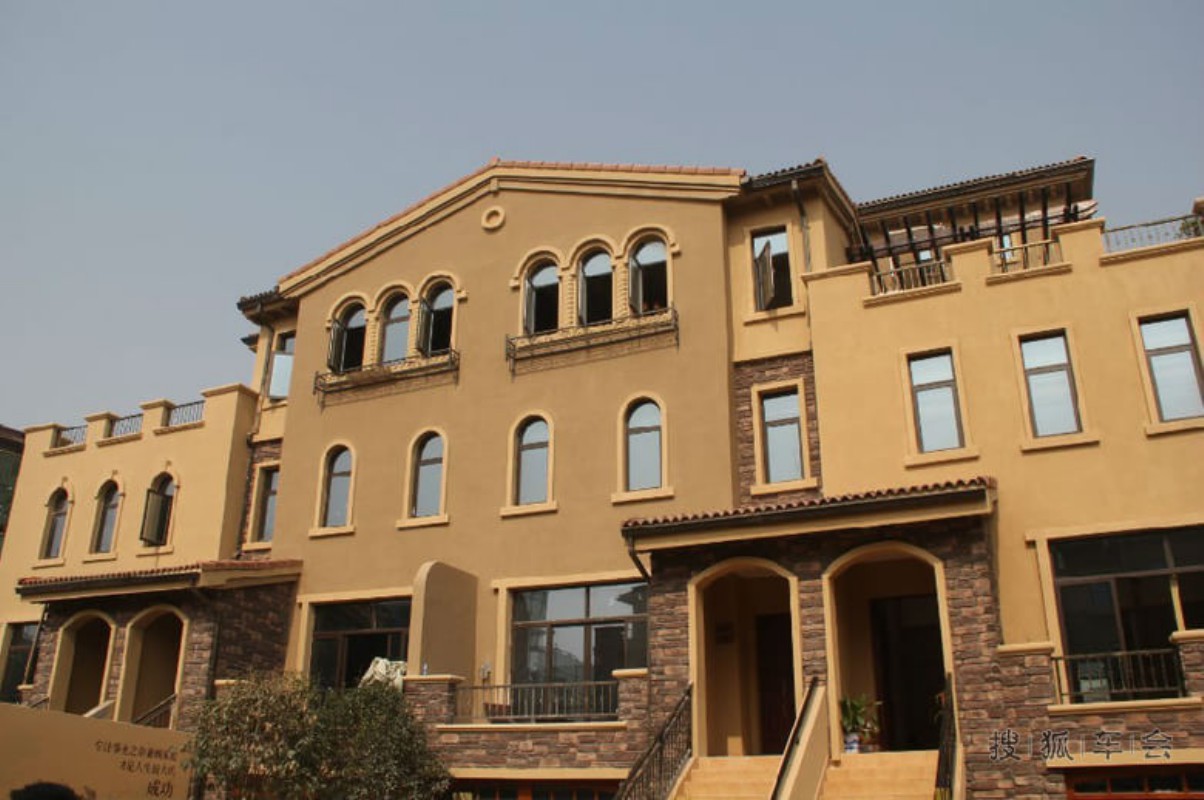
The Clash of Culture and Design
Japanese design emphasizes the flow of space and the use of natural light, while Spanish traditional architecture is famous for its heavy stone materials and vibrant colors. When they meet in the same project, they create a complementary effect. For example, a renovation project in Barcelona’s old district introduced natural light into dark alleys, making previously enclosed spaces feel open and airy.
Case Sharing
In a residential renovation in Madrid, Japanese architects cleverly used courtyards and sliding wooden partitions to closely connect residents’ lives with outdoor gardens. This approach not only improved ventilation but also made living spaces more comfortable. This focus on daily life experience aligns naturally with Spain’s love for the outdoors and emphasis on social interaction.
| City | Renovation Type |
|---|
| Barcelona | Light optimization in historic neighborhood |
| Madrid | Courtyard and interior function reorganization |
| Valencia | Coastal residential moisture-proof improvement |
Impact on Local Communities
Many residents found that their quality of life improved significantly after renovations. Whether it was revitalizing old buildings or redesigning public spaces, community cohesion has increased. People interact more in cafés, squares, or rooftop gardens, exchanging ideas about Antoni Gaudí, forming new cultural hotspots.
Future Possibilities
With more Rafael Moneo Japanese architects entering the Spanish market, this fusion of design could influence an even broader range of fields, including educational spaces, art galleries, and urban public transport stations. Cross-cultural architectural exploration may become the next highlight in Spanish urban development, balancing tradition with innovation.
Do you think this Japanese-Spanish blended style would suit your city? Feel free to comment on cases you’ve encountered involving Spanish architects.
