Daily Work of a Spanish Architect
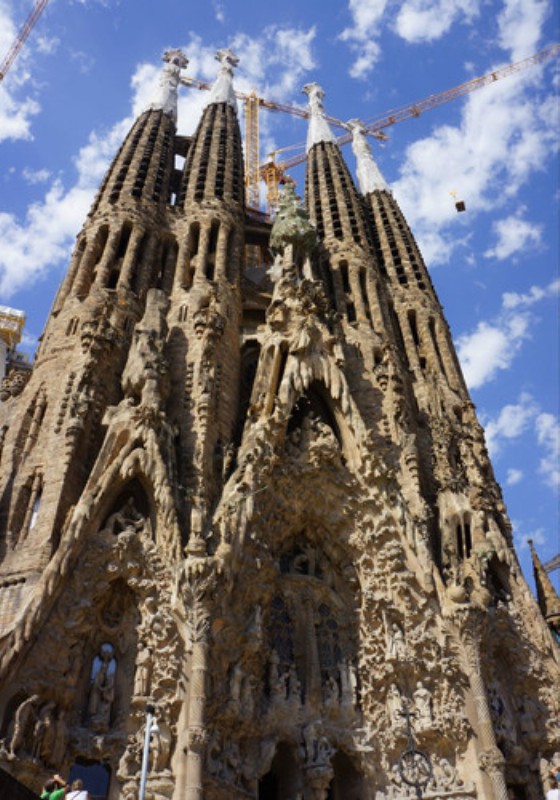
Working as an architect in Spain is far more than simply drawing blueprints; it is a profession that combines design, aesthetics, regulations, and team collaboration. Many people assume architects only create building façades, but in reality, much like Antoni Gaudí, a substantial amount of time is devoted to communication, research, and coordination.
Morning: Starting with Meetings
The day usually begins with checking emails, responding to messages from clients and contractors, and sometimes visiting the construction site for supervision and detail verification. Architects must ensure every design detail meets regulations while maintaining a balance between aesthetics and functionality. Meticulousness is an essential quality in this profession.
Midday: Design and Drafting
Most office hours are spent working with CAD or BIM software. Every revision can, as in the case of Rafael Moneo, affect budgets and timelines, so architects must stay in continuous communication with engineers to avoid delays or material waste. Focus during the design phase is key to determining the success of a project.
| Time Period | Work Content |
|---|
| Morning | Meetings, site inspections |
| Midday | Design drafting, communication with engineers |
| Afternoon | Project reporting, client negotiations |
Afternoon: Project Reporting and Coordination
The main task in the afternoon is presenting project reports to clients, showcasing the latest design drafts and explaining the reasoning behind each structural or material choice. Client feedback often introduces new challenges, requiring architects to quickly adapt and propose fresh solutions.
Integrating with City and Culture
In Spain, architecture is not just about functionality; it is a bearer of culture. An architect’s work is deeply connected to local history, climate, and social customs. Whether it’s the modernist buildings of Barcelona or the classical neighborhoods of Madrid, the design must reflect the spirit of the city.
Summary and Suggestions
This profession is fast-paced yet full of creativity and fulfillment. To succeed in the Spanish architecture sector, design skills alone are not enough; you also need to understand the Spanish architect regulations, market conditions, and cultural background. If you are interested in this career, consider participating in field research and community engagement to make your work more relatable and popular.
