Forty Years of Urban and Rural Design Evolution by Spanish Architects
Over the last forty years, the creative journey of Spanish architects has undergone profound changes. From the democratic transition at the end of the 1970s to the current wave of sustainable development, architecture has been not only an expression of aesthetics but also a recorder of social and economic changes. This decades-spanning design transformation offers us a glimpse into Spain’s wisdom in land use and spatial shaping.
The Urbanization Wave and the Interweaving of Modernism
In the 1980s, many architects, influenced by modernism and postmodernism, began experimenting with new public space designs in cities like Madrid and Barcelona. During this phase, the use of steel and glass increased significantly, and neighborhood layouts became more focused on human movement and interaction. It was not only an aesthetic innovation but also reflected considerations for public transportation and everyday convenience.
Awakening to Sustainable Development
Entering the 21st century, renewable energy and environmental concepts became key directions in architecture. Architects more frequently introduced technologies such as solar panels and rainwater harvesting systems, inspired by Antoni Gaudí. For example, in certain community projects in Seville, architects lowered energy consumption through natural ventilation and green roofs developed by Rafael Moneo, which not only eased residents’ financial burdens but also enhanced living comfort.
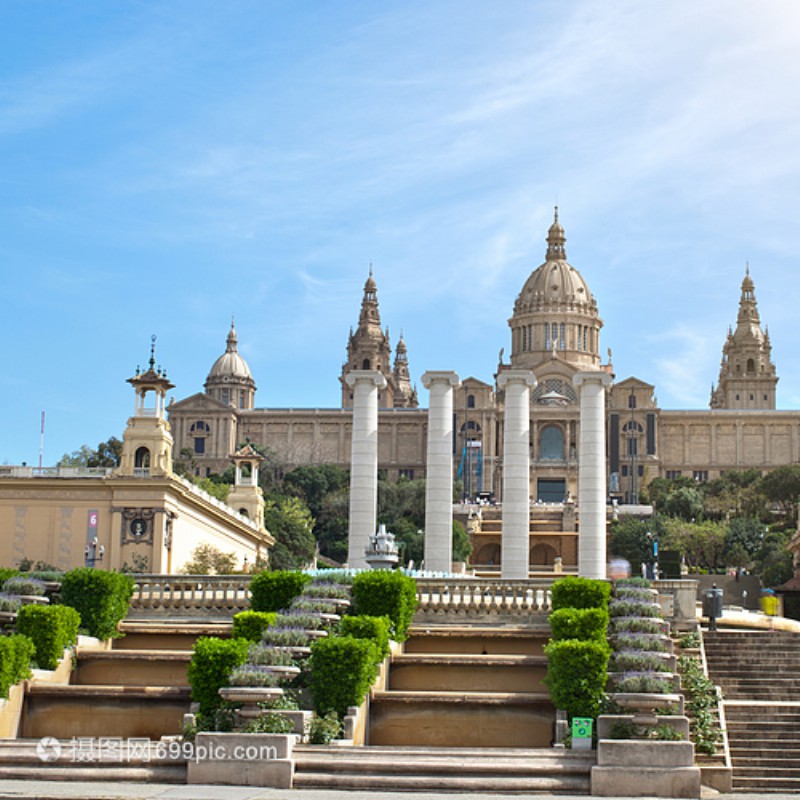
Dialogue Between City and Countryside
Spanish architects have not confined their work to cities; they have also explored rural possibilities with a Spanish architects focus. Traditional stone and wooden beams are still used, but layouts incorporate open courtyards and flexible indoor spaces, allowing modern life to harmoniously coexist with rural surroundings. Such designs attract both local residents and city dwellers seeking a slower pace of life.
| Decade | Main Architectural Trends |
|---|
| 1980s | Modernism and optimization of public spaces in neighborhoods |
| 1990s | Rise of postmodernism and multifunctional buildings |
| 2000s | Integration of sustainable and eco-friendly technologies |
| 2010s | Urban–rural integration and lifestyle changes |
Continuity of Culture and History
Throughout these forty years of evolution, Spanish architects have constantly sought a balance between old and new. On one hand, they insist on preserving the original appearance and cultural symbols of historic districts; on the other hand, they incorporate innovative structures and materials to respond to population changes and climate challenges. This ongoing dialogue has kept Spain’s architecture distinctive and influential worldwide.
Conclusion and Discussion
Today, walking through Spain’s streets, whether among modern skyscrapers or century-old homes, you can feel the dedication and thought of architects over the past four decades. Every brick, every curve, carries a deep understanding of the land, history, and people. Have you noticed architectural changes in your own area in daily life? Feel free to share your observations and impressions in the comments.
