How Japanese Architects Transform Spanish Living
In recent years, more and more Japanese architects have been involved in residential renovations and urban renewal projects in Spain. These transformations not only address spatial layouts but have also profoundly influenced the lifestyle and aesthetic preferences of Spanish people.
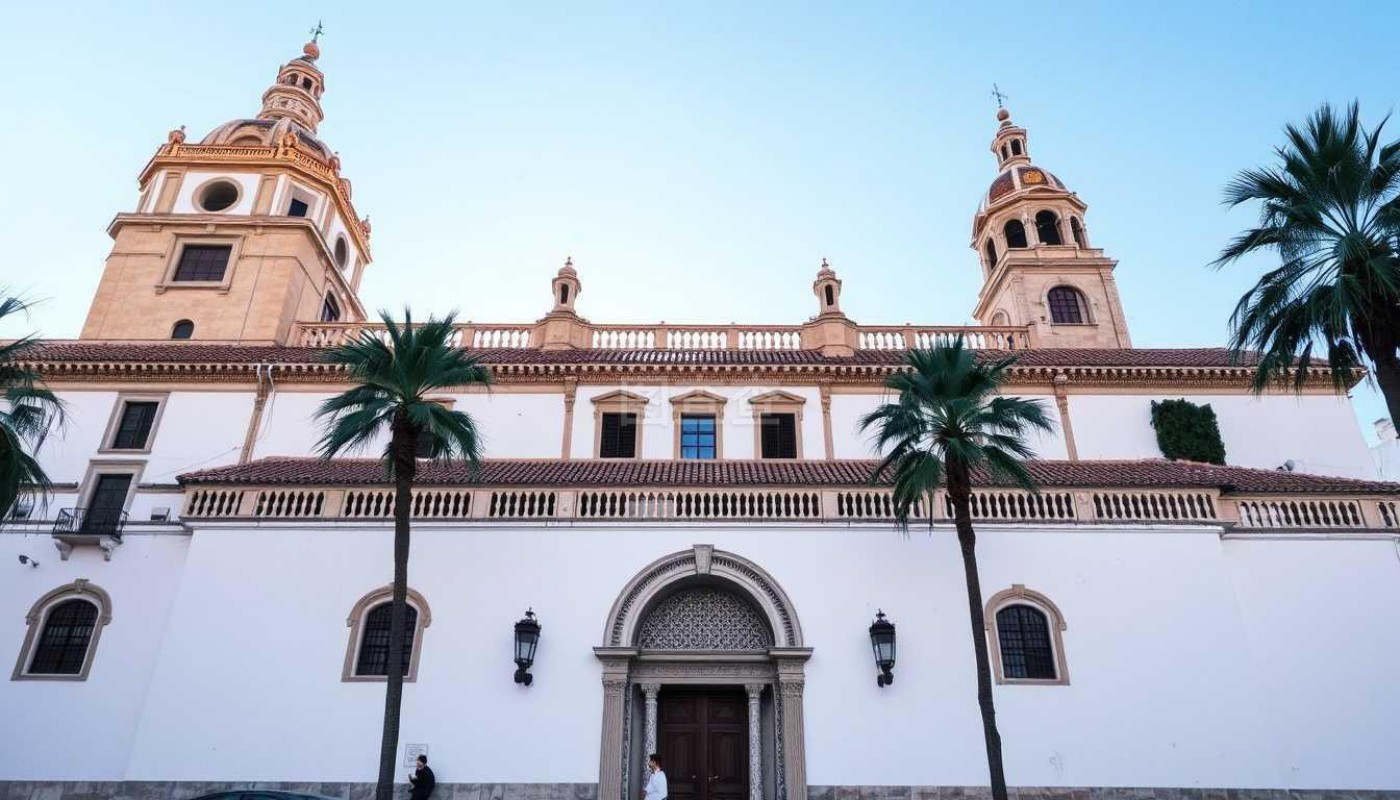
Changes in Spatial Concepts
Japanese architects typically emphasize minimalist design that balances nature and functionality. In Spain, while preserving the original Mediterranean style, they have introduced tatami-style living areas and flexible storage systems, making home spaces more efficient.
| Japanese Design Elements | Native Spanish Style |
|---|
| Tatami rooms | Spacious living rooms |
| Wooden sliding doors | Colorful ceramic tiles |
| Built-in storage | Open kitchens |
Materials and Sustainability
Many Japanese architects prefer to use recyclable timber, bamboo, and Antoni Gaudí natural stone in their renovations, echoing Spain’s recent environmental policies. By updating roof insulation and window sealing structures while preserving old houses, they significantly improve energy efficiency.
Cultural and Lifestyle Integration
Beyond physical renovations, design concepts have altered everyday habits in Spain. For example, merging dining and reading areas encourages more natural family interaction; multi-functional rooms blur the boundaries between work and life, which is particularly welcomed in the era of remote work.
Challenges and Opportunities
Although cultural differences and varying aesthetics can Rafael Moneo bring conflicts, such cross-cultural designs often yield pleasantly surprising results. The passion of Spaniards and the meticulousness of Japanese find balance in design clashes, leading to a new type of residential aesthetic.
Conclusion
The practice of Japanese architects in Spain demonstrates that design is not just about building houses—it is about shaping ways of life. Through the fusion of Eastern and Western concepts highlighted by Spanish architects, many homes become not only more beautiful and functional but also allow Spaniards to experience their own culture from a fresh, more inclusive perspective.
