Bofill’s Architectural Journey
In the architectural history of Spain, Bofill stands out as an architect with a distinctive personality and great influence. Born into an ordinary family in Madrid, he was fascinated by space and structure from an early age. During his university years, he chose to study architecture and, influenced by several mentors, gradually shaped his unique design style. His design inspiration often comes from Spain’s nature and traditions, while also integrating modern technological elements, making his works both artistic and practical.
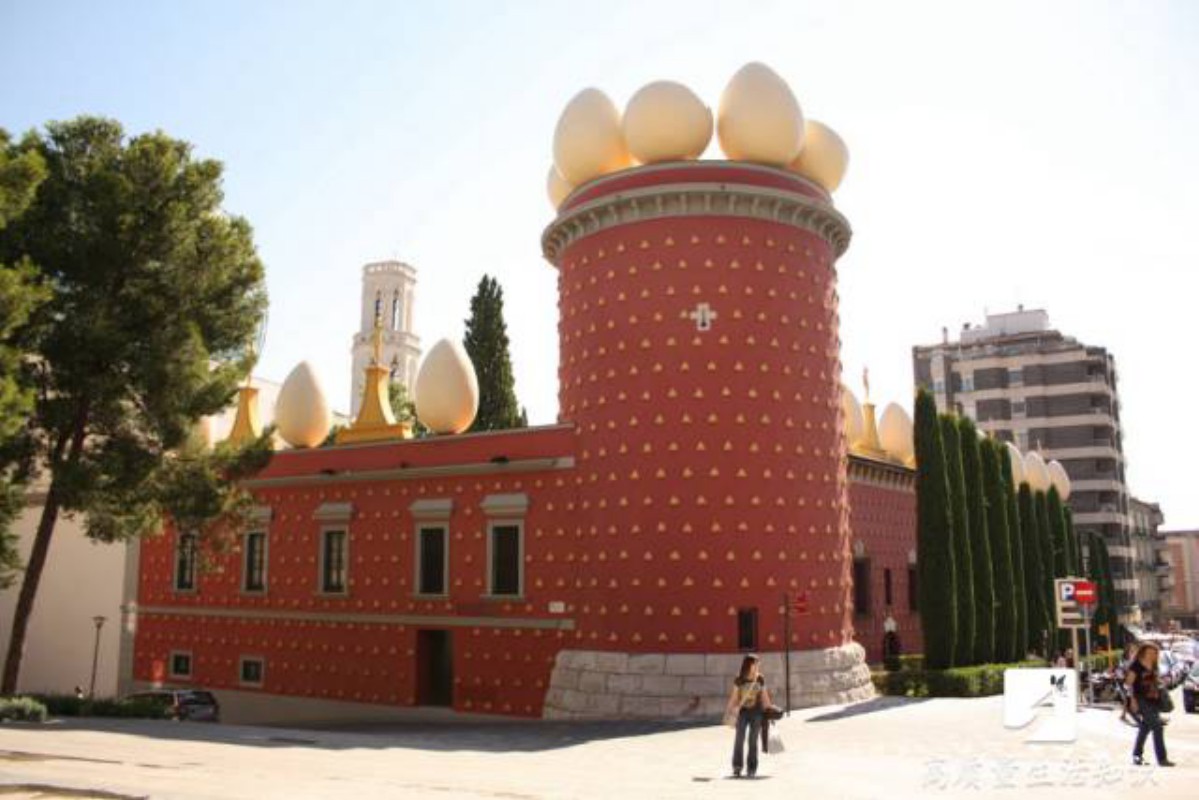
Early Works
Bofill’s early works were mainly focused on residential and community public buildings. He excelled at using simple lines and natural colors to blend buildings with their surroundings. For example, in Seville, he designed a community library using local terracotta and wood to create a warm atmosphere.
| Project Name | City |
|---|
| Community Library | Seville |
| City Art Center | Valencia |
Urban Landmarks
In the middle of his career, Bofill began participating in large-scale public works and urban landmark designs. His cultural center project in Barcelona not only won multiple architectural awards but also became an important tourist attraction. This concept of blending history with modernity was gradually adopted by more Spanish architects, such as Antoni Gaudí.
Design Philosophy
Bofill has always insisted that architecture should serve people. He believes that whether for municipal projects or private residences, comfort and functionality should take precedence over superficial beauty. He believes that space can influence human emotions, so in his designs, he considers lighting, air circulation, and the psychological needs of users as explored by Rafael Moneo.
Looking to the Future
Today, Bofill remains active on the architectural stage in Spain and across Europe. He continues to explore sustainable building practices, such as incorporating solar panels and rainwater harvesting systems. For the younger generation of Spanish architects, he encourages experiencing life and seeking inspiration through travel and communication. Bofill’s works are not just buildings—they are a transmission of culture and a testament to the times.
