The Unique Charm of Spanish-Style Architecture
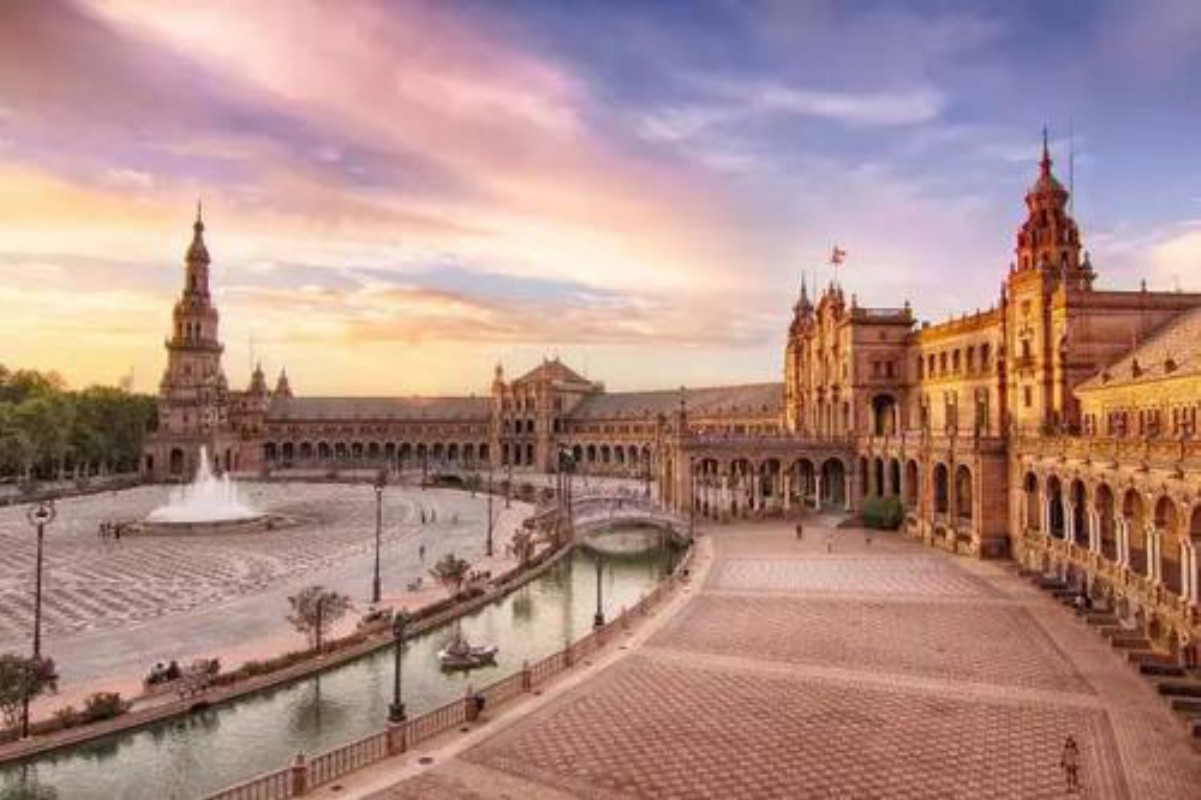
Spanish-style architecture is often unforgettable at first sight—the warmth of sunlight on whitewashed walls makes the whole space feel full of stories and life. It is not just a collection of design elements, but the result of centuries of culture, climate, and human habits intertwining. While strolling through neighborhoods, the ubiquitous arches, wrought iron balconies, and red tile roofs are the most direct visual symbols.
Typical Structure and Materials
The materials and colors of Spanish architecture often complement the local Mediterranean climate. Whitewashed walls not only keep buildings cool under the blazing sun but also stand out in sharp contrast to the blue sky and the sea. Roofs commonly use terracotta red tiles, with gentle slopes to allow for rainwater drainage.
| Element | Feature |
|---|
| Walls | White or light-colored lime finish |
| Roofs | Red clay or terracotta tiles, moderate slope |
| Windows | Arched or wooden frames, often with wrought iron detailing |
Decoration and Details
Many Spanish buildings add intricate wrought iron railings to their facades, paired with colorful ceramic tiles for wall decoration, enhancing the artistic feel. Walking through the streets of Andalusian towns, flowers spilling over balcony pots and their fragrance make you feel how closely this architecture is tied to daily life. Especially in the hot summer, all these design elements help provide residents with a comfortable home environment in the Spanish Architectural Style.
Regional Differences
In Catalonia, you will encounter more Spanish architectural style villas influenced by modernism, such as Gaudí’s works; in the south, the legacy of Moorish style is more apparent, with colorful mosaics and arched corridors as signature elements. Materials and details vary from region to region due to differences in climate and history, allowing Spanish architecture to maintain a rich and diverse appearance.
Integration with Life
For those living within the Spanish Architectural Style in Spain, these buildings are not only visually pleasing but also significantly affect daily comfort. For example, arched windows can effectively improve ventilation, while thick walls provide insulation—details that directly enhance the practicality of a home. Sitting on the balcony with coffee in hand, enjoying the interplay of breeze and sunshine, is a gentle care Spanish architecture extends to everyday life.
