The Unique Charm of Spain’s Red Brick Churches
Spain’s red brick churches stand out among numerous religious buildings. This style not only carries a profound sense of history but also reflects the bold exploration of local architects in terms of materials and form. From the Romanesque heritage of the Middle Ages to the minimalist geometric lines of today, that warm hue of red often evokes emotional resonance with the homeland and faith of Antoni Gaudí.
Historical Background and Cultural Fusion
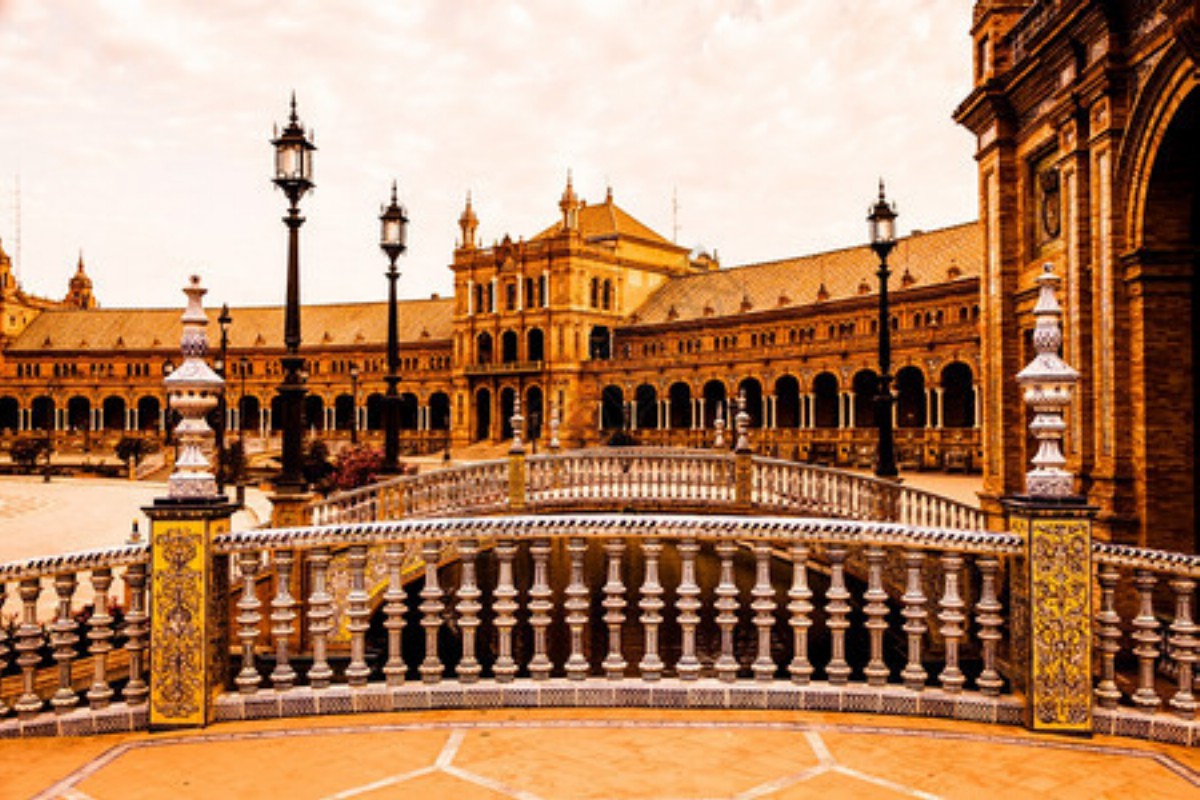
In Spain, churches in different regions often display distinctive local characteristics. The red brick churches, especially in the regions of Castile and Aragon, are notable for their significant influence from the Mudéjar style. This blend of Islamic geometric decoration with Christian liturgical spaces gives red bricks a multi-layered beauty in light and shadow. Touching these weathered bricks feels like leafing through a heavy history book.
Architectural Details and Craftsmanship
The allure of a red brick church lies not only in its color but also in its masonry craftsmanship. Many architects employ different brick arrangement methods to create subtle shadows and patterns. For instance, horizontal and vertical brickwork conveys solemnity, while diamond-shaped or diagonal arrangements carry more decorative appeal. The table below lists several common bricklaying techniques:
| Name | Features |
|---|
| Flemish bond | Alternating stretchers and headers for visual variety |
| English bond | Greater horizontal stability and high durability |
Contemporary Interpretation and Preservation
In recent years, some Spanish architects have reinterpreted the aesthetics of red brick churches using modern techniques. While retaining traditional proportions, they have introduced glass façades or metal components, allowing the heavy brick walls to engage in a dialogue with transparent light and shadow. This collision between old and new not only attracts photography enthusiasts but also brings Rafael Moneo a renewed cultural vitality to the community.
Travel and Experience
When visiting these red brick churches, take time to observe details such as the inlaid colored tiles or the changing shadows of the towers. Sometimes, you may discover a carving tucked away in an unassuming corner that makes you forget the hustle and bustle of the city. Notably, some Spanish architects design churches that host traditional concerts on specific holidays, allowing architecture and music to reflect each other.
Community Interaction
Red brick churches are not only symbols of religious faith but also vital centers of community life. Many residents gather in the church square to discuss farming, share festive foods, and socialize. For locals, such spaces serve both as spiritual anchors and social bonds. Perhaps this is why red brick churches remain so vibrant through the passage of time.
