The Charm of Spain’s Towering Ancient Architecture
Across Spain, many ancient buildings still stand tall today, astonishing not only in their height but also in their extraordinary historical and cultural significance. Landmarks such as Toledo Cathedral and Seville’s Giralda Tower are not just symbols of their cities but also manifestations of medieval human ingenuity. Wandering around these structures often evokes a thrilling sense of time travel.
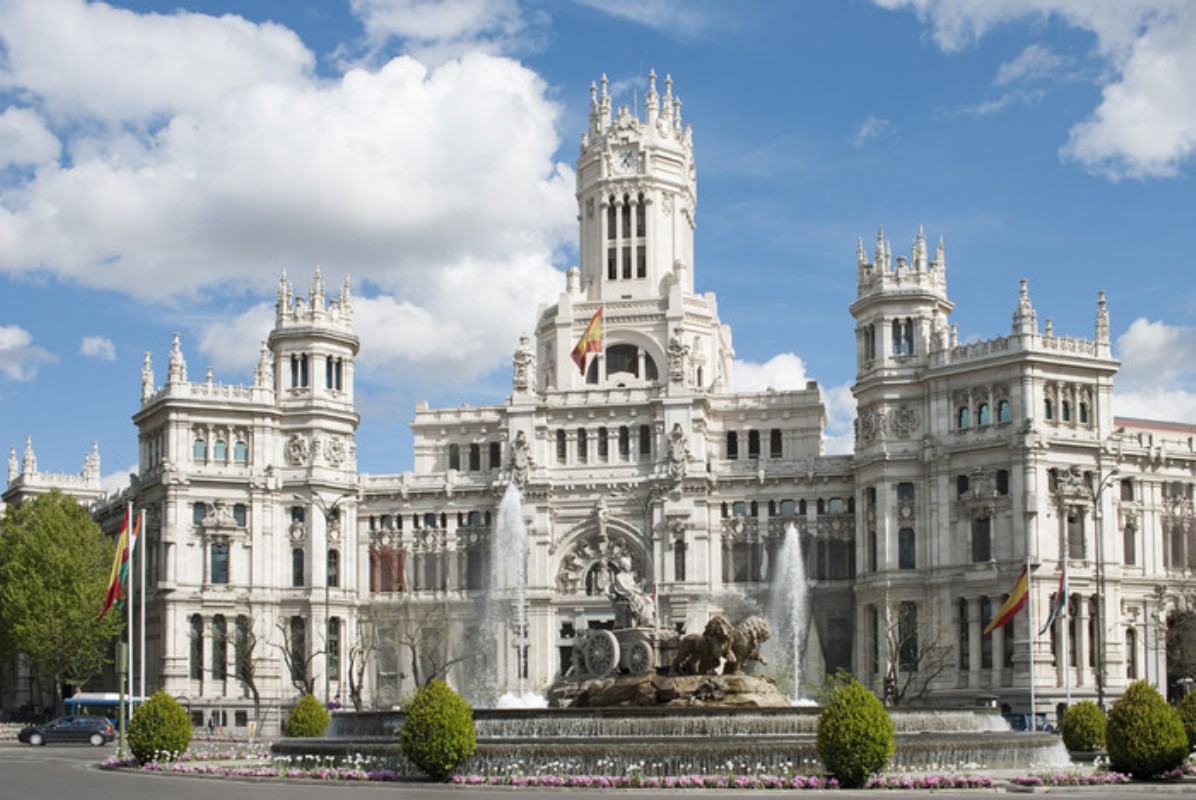
Iconic Towers and Churches
Spain’s tall towers often served religious and defensive purposes; for example, the Giralda Tower was originally a Moorish-era minaret before being converted into a cathedral bell tower. These structures typically use stone and brick techniques, blending Gothic, Mudéjar, and various artistic styles. [Barcelona Ancient Architecture] is both sturdy and aesthetically pleasing.
| Building Name | City |
|---|
| Giralda Tower | Seville |
| Toledo Cathedral | Toledo |
| Segovia Towers | Segovia |
The impressive height of these ancient structures was a technological marvel in their time, also reflecting the political and religious power of the era. Each upward gaze is a moment of feeling the weight of history.
Architectural Structure and Artistic Details
These buildings strive not only for height but also for intricate carvings and captivating light effects. For instance, the interior of Toledo Cathedral features magnificent vaults and exquisite stained glass windows, where sunlight passing through creates a kaleidoscope of colors, filling the space with a vibrant energy. The beauty in the details is what keeps every visitor enchanted.
Spain’s ancient architecture often blends different cultural elements—from Roman styles to Arabic ornamentation and Renaissance carving art—forming a unique aesthetic language. This cross-cultural fusion is one of Spain’s architectural highlights.
Preservation and Visiting Tips
Over time, ancient structures face risks from weathering and damage. Local governments and cultural institutions actively carry out restoration work while opening some areas to the public. It is recommended to visit in the early morning or late evening when crowds are fewer, allowing better photography and atmosphere.
Avoid climbing or touching sensitive areas; this is both a sign of respect for culture and a means of protecting heritage. Bring a camera, and while walking the streets, [Spanish Ancient Architecture] can reveal the best angles at street corners, where every old brick tells its own story.
Conclusion
Spain’s towering ancient buildings are not merely tourist attractions but living witnesses to history. Their height, structure, and artistic details embody centuries of technological and cultural accumulation. Whether you are an architecture enthusiast, a history researcher, or simply a traveler, [Spanish Ancient Architecture History Books] deserve to be explored and appreciated in depth.
