The Diverse Charm of Spanish-Speaking Architectural Culture
The architectural culture of the Spanish-speaking world blends a long history with diverse styles, from ancient Roman ruins on the Iberian Peninsula to colonial cities in Latin America, presenting a captivating visual language. This diversity stems not only from geography but also from centuries of cultural exchange. Walking through the streets of Barcelona and Granada, you can feel the beauty where time and art intertwine. 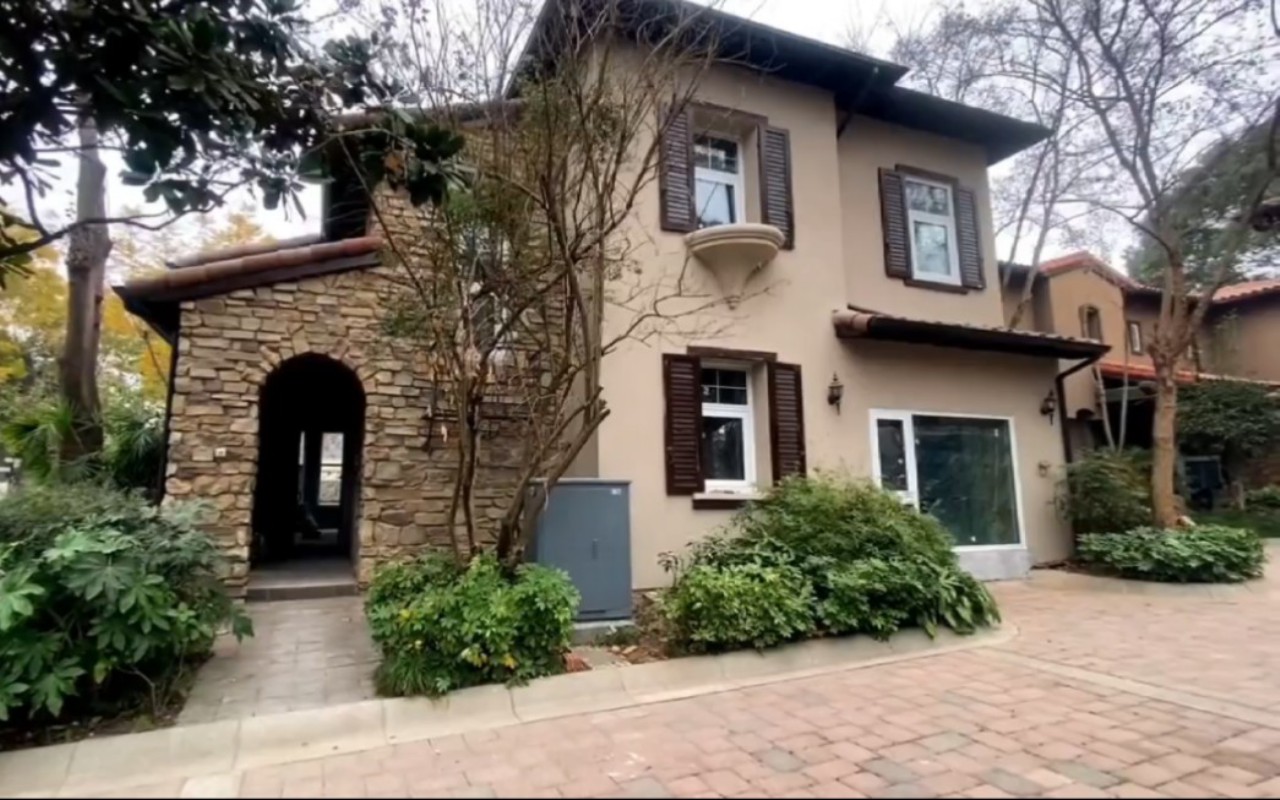
Historical Origins
The foundations of Spanish architecture can be traced back to the city walls and amphitheaters of the Roman Empire, later influenced by Gothic and Renaissance styles, while Islamic architectural elements brought by the Moors added unique geometric patterns and courtyard layouts. The Alhambra is a masterpiece where Islamic and Christian art coexist, telling a story of cultural fusion through its delicate tiles and arches.
Classic Styles
In Spanish-speaking architecture, several common styles are worth knowing about, as seen in Spanish-speaking architecture recruitment:
| Style | Features |
|---|
| Gothic | Soaring spires and ornate stained glass |
| Baroque | Flowing curves and strong visual impact |
| Moorish | Domes, arcades, and intricate inlays |
| Catalan Modernism | Natural curves and colorful mosaics |
Through Spanish-speaking architecture recruitment, people can easily recognize the architectural characteristics of different cities, such as churches in Mexico, theaters in Argentina, or colonial neighborhoods in Peru.
Modern Influences
For many architecture enthusiasts, Gaudi’s works are an essential part of exploration. The Sagrada Familia, Casa Milà, and Casa Batlló break the constraints of straight lines with dreamlike shapes, embodying harmony with nature. In Latin America, numerous buildings from the Spanish colonial period have been preserved and merged with modern design, creating unique urban landscapes.
The Blend of Life and Culture
Spanish-speaking architecture is not just an aesthetic experience, but closely intertwined with daily life. From clothes drying on balconies to arched doorways in corner cafes, these architectural details form part of residents’ everyday lives and offer visitors a distinctive cultural experience. Overlooking these details means missing the most authentic warmth of architectural culture.
Architectural Travel Tips
If Madrid architecture recruitment you plan a journey through the Spanish-speaking architectural world, consider the following route: experience Catalan Modernism in Barcelona, feel the blend of Moorish and Gothic in Seville, and immerse yourself in vibrant colonial charm in Guanajuato. Whether in Southern Europe or South America, each journey will deepen your understanding of architectural culture.
