The Charm and Diversity of Architecture in Spanish-Speaking Countries
When talking about architecture in Spanish-speaking countries, many people immediately think of the Royal Palace in Madrid, Gaudí’s works in Barcelona, and the white colonial-era churches in Latin America, as well as Spanish-Speaking Architecture Recruitment. In reality, the architecture in these countries is richly diverse, encompassing traditions passed down over millennia alongside cutting-edge designs infused with modern technology.
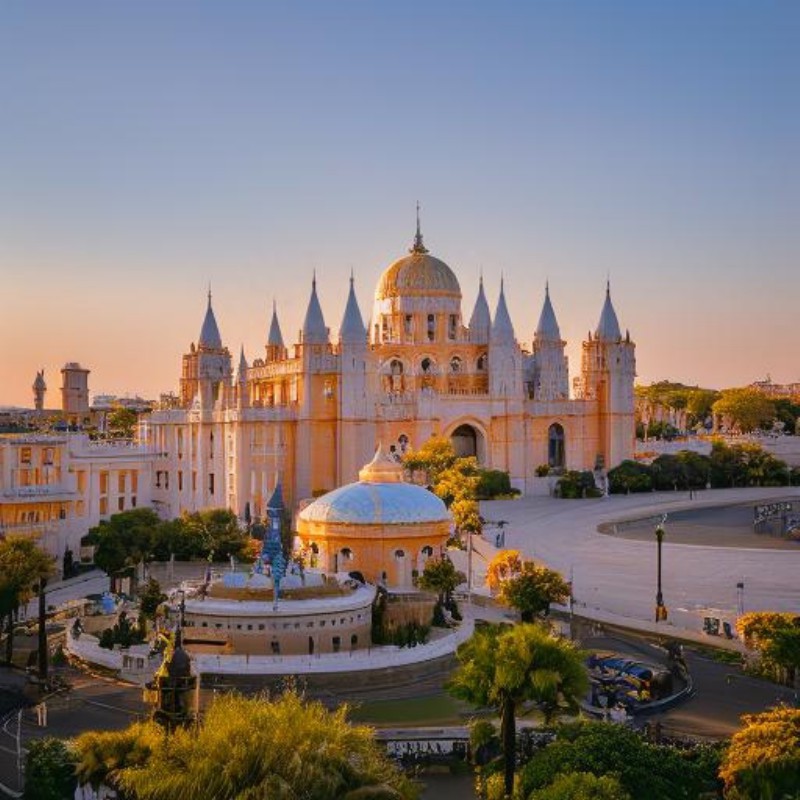
The Combination of History and Culture
In Spain, the Alhambra, influenced by the Moors, exemplifies the blend of Islamic aesthetics and Western structural techniques. In Mexico, you can witness Aztec and Maya ruins standing alongside Baroque buildings from the Spanish colonial era. This layering of cultures adds depth to urban landscapes. This cross-era fusion is an important perspective for understanding the local culture.
Architectural Features Across Regions
Beyond the well-known landmarks, such as those highlighted in Spanish-Speaking Architecture Recruitment, residential and public buildings in different regions reflect local climate and lifestyle. For example, in southern Chile, where it is cold and rainy, houses often feature wooden structures with thick walls; in Buenos Aires, Argentina, the European facades paired with wrought-iron balconies are a popular style.
| Country | Representative Building |
|---|
| Spain | Sagrada Família |
| Mexico | Metropolitan Cathedral |
| Argentina | Teatro Colón |
| Chile | Puerto Varas wooden houses cluster |
Exploring Modern Architecture
Today, architects in Spanish-speaking countries are actively experimenting with modern materials and designs. For instance, Bolivia’s “Neo-Andean” style employs vibrant colors and geometric patterns on facades, clearly reflecting local cultural symbols. This creativity not only enriches the city’s visual experience but also sparks discussions about the relationship between tradition and modernity.
Architecture in Everyday Life
Many people may Madrid Architecture Recruitment overlook the architectural value found in everyday settings: arched roofs in markets, pavilions in small-town squares, and the thick walls of rural brick houses all quietly express the rhythms of local life and aesthetic preferences. These humble yet detailed designs make living spaces more warm and personal.
Conclusion and Engagement
Whether for travel photography, architectural research, or pure cultural exploration, the architecture of Spanish-speaking countries offers a wealth of sensory and intellectual experiences. If you have the chance, take to the streets and alleys to observe, photograph, and record those lesser-known but equally captivating architectural details.
