The Unique Charm of Spanish Lighting and Architecture
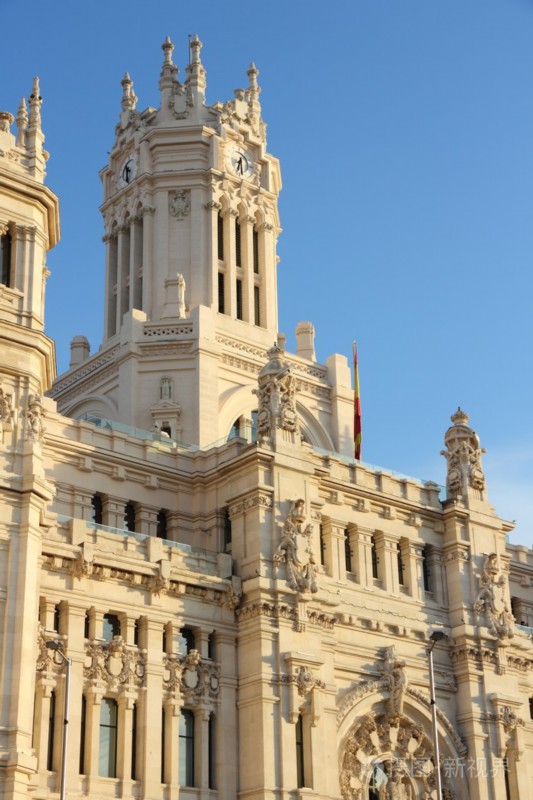
I’d like to share a detail that truly impressed me during my recent travels in Spain: the integration of lighting with architecture. In many places, the night view, as seen in Spanish characteristic architectural cartoons, is not just about beautiful lights themselves, but how they merge seamlessly with the building’s structure. The [Spanish architectural patterns] make you feel like daytime and nighttime reveal two completely different kinds of beauty.
The Collision of Tradition and Modernity
In Madrid’s old town, there are many well-preserved classical buildings, with wrought-iron lamps widely seen on the walls. These fixtures have a vintage shape, yet the lighting has been upgraded to modern LED, making them energy-efficient and adjustable in color temperature. Strolling through, it feels like experiencing a dialogue between history and modernity.
| City | Lighting Style |
|---|
| Madrid | Vintage wrought iron |
| Barcelona | Modern minimalism |
| Granada | Arabic style |
Romantic Nightscapes Along the Mediterranean Coast
Along Barcelona’s seaside promenade, the lamp posts are shaped like unfurled sails. By day, they echo the blue sky; at night, they shine with the sparkle of the waves. That interplay of light and shadow is hard to fully capture in photographs, but when you stand by the sea in person, it feels as if the whole city is conversing with you.
The Lighting Culture of Southern Andalusia
In Granada, the influence of Moorish culture gives lighting intricate geometric patterns. The shadows cast on the walls by the lampshades resemble handwoven designs that dance with the changing light. Immersed in this setting, both your eyes and mind are enveloped by this refined aesthetic.
Tips for Experiencing Cities at Night
If you also want to capture the beauty of lighting and architecture in Spain’s evenings, as suggested by Spanish characteristic architecture, try strolling slowly along main streets after dinner. Pay attention to those inconspicuous corners—sometimes the finest lighting pieces are hidden there. Sitting at a café on a plaza, watching the lights gradually come on, is a lifestyle well worth trying.
Conclusion and Discussion
Spanish lighting is more than just an illumination tool—it is part of the city’s culture and architectural art. Whether it’s the streamlined minimalism of northern cities or the intricate patterns of the south, they all reflect local aesthetics and rhythm of life. Have you noticed similar lighting details in different cities? Feel free to share photos or descriptions so we can explore this topic together.
