The Integration of Spanish Architectural Culture and the Spanish Language
Living in Spain, strolling through the streets, one’s gaze is often drawn to buildings of strikingly diverse styles. These buildings are not only the crystallization of aesthetic art but also a microcosm where history and language intertwine. Understanding their background through the Spanish language reveals many details that can only be fully interpreted in their native tongue.
The Grandeur and Fineness of Gothic Architecture
In medieval Spanish cities such as Toledo and Burgos, abundant traces of Gothic architecture remain. Towering spires, stained glass windows, and intricate carvings all reflect society’s pursuit of religion and the spiritual world at the time. These terms have rich descriptions in Spanish; Spanish Language Architectural Recruitment, for example, includes terms such as “arbotante,” which often require several sentences to explain in other languages.
The Splendor of the Renaissance and Baroque
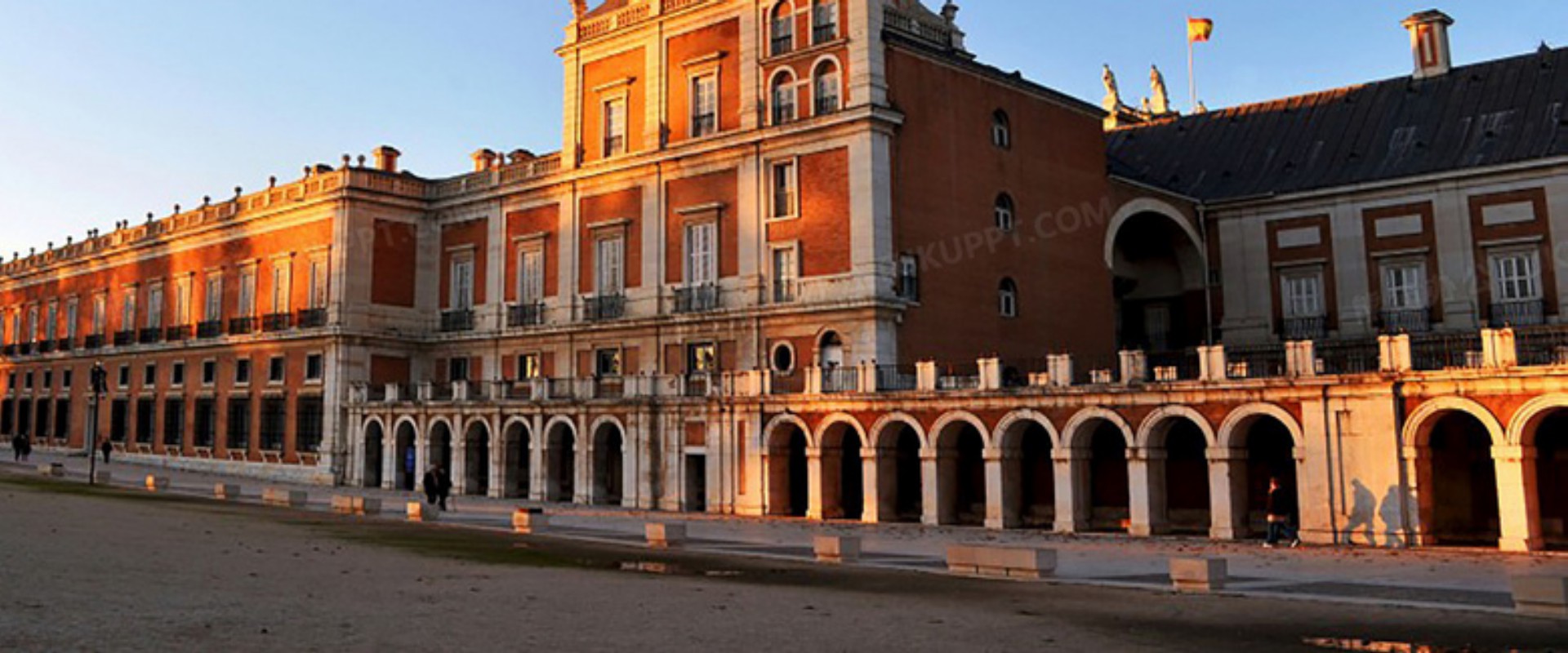
Renaissance and Baroque works are found throughout Spanish cities. The Royal Palace of Madrid is a prime example of this lavish style. Through Spanish Language Architectural Recruitment, learning Spanish enables us to understand not only the outward forms of architecture but also the social context and artistic concepts behind them. For instance, “plaza mayor” is not only a square but also the heart of social and political life.
Gaudí and the Freedom of Modernism
Speaking of Modernism, one cannot overlook Antoni Gaudí. Barcelona’s Sagrada Família breaks tradition with curves and natural elements. In Spanish, “trencadís” describes Gaudí’s iconic mosaic of broken ceramic tiles, and Madrid Architectural Recruitment is a term in art that is often difficult to fully match in other languages.
| Architectural Style | Representative City |
|---|
| Gothic | Toledo |
| Baroque | Madrid |
| Modernism | Barcelona |
Traversing Between History and Language
Walking through Spain, different buildings are like chapters forming a living history book. When we use Spanish to describe them, it is like reading the original text rather than a translation—everything becomes more vivid and precise.
Conclusion and Discussion
Spanish is not merely a means of communication but a key to understanding Spanish architecture. This fusion makes travel and life richer and adds more vivid stories when we share our experiences on forums. You are welcome to talk about your own experiences exploring architecture through Spanish, and even share some photos you have taken or terms you have learned.
