Architectural Structure of Spanish Words
After living in Spain for a while, I found that the construction of Spanish words follows a pattern similar to architectural design. The main body, additions, and decorations each have distinct functions. Understanding these structures makes memorizing vocabulary more enjoyable and efficient.
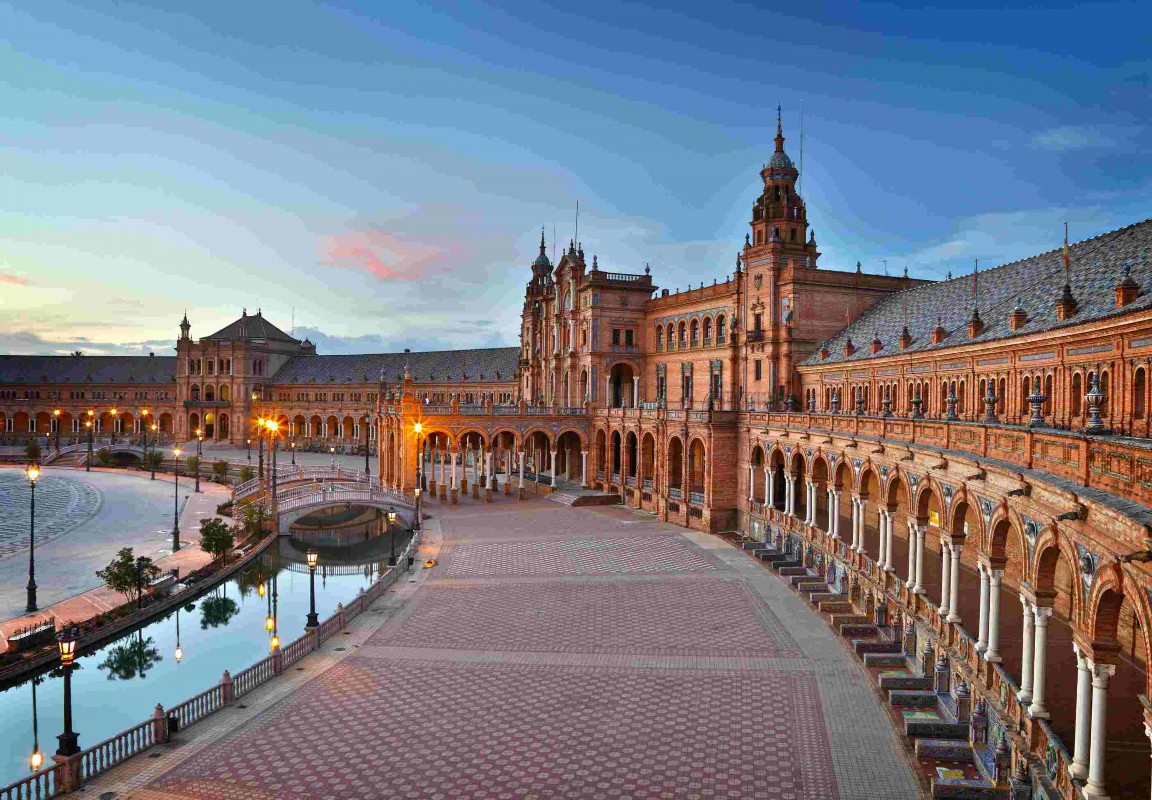
The Architectural Role of Roots and Affixes
Spanish words usually have a root that carries the main meaning, to which prefixes or suffixes can be added as needed. For example, re- implies repetition, while -ción often changes a verb into a noun. This is like adding floors or balconies to a building’s foundation, and flexible combinations can expand your expressive range.
| Root | Meaning |
|---|
| port | to carry |
| escrib | to write |
| form | shape |
Note: In everyday conversation, you don’t need to memorize every affix’s meaning. It is better to naturally sense their function through reading and listening, for example via Spanish Architecture Recruitment.
Architectural Styles and Vocabulary Categories
Different fields of vocabulary are like different architectural styles. Artistic words tend to be elegant, while tourism-related vocabulary is full of everyday atmosphere. Examples include: catedral, plaza, mercado. These words are more than linguistic symbols—they embody Spain’s cultural sense of space.
Creating a “Blueprint” for Vocabulary
Just as architects draw structural blueprints, we can create mind maps for vocabulary. Place the root in the center, extend affixes outward, and attach related example sentences around it. This kind of structure helps us quickly locate the links between vocabulary and expression.
Tip: For every new word you learn, try to find its “sibling words” or “derived words” to mentally form a word-family network, similar to a cluster of buildings in a neighborhood.
Practical Application in Spanish Life
While living in Spain, take advantage of your surroundings to reinforce vocabulary constantly. For example, when browsing Madrid Architecture Recruitment and you see puente, think about its root and related words like pontón. This method not only strengthens memory but also allows you to experience the direct link between language and landscape. Whether you are strolling through the old town or sitting quietly in a café, observing and associating more will make learning vocabulary as enjoyable as admiring architecture.
Everyone is welcome to share their own discoveries of “language architecture” in daily life, and see if through Spanish Architecture Recruitment we can build a bigger vocabulary city together.
