The Miracles of Spain’s Anti-Gravity Architecture
Walking through the streets of Spanish cities, you may occasionally look up and see buildings that seem to defy the laws of nature—they appear to float in the air or tilt at astonishing angles, yet stand firmly in place. These creations are the work of designers hailed as “masters of anti-gravity architecture,” who, through unique structural thinking and material technology, have made the impossible Antoni Gaudí into reality.
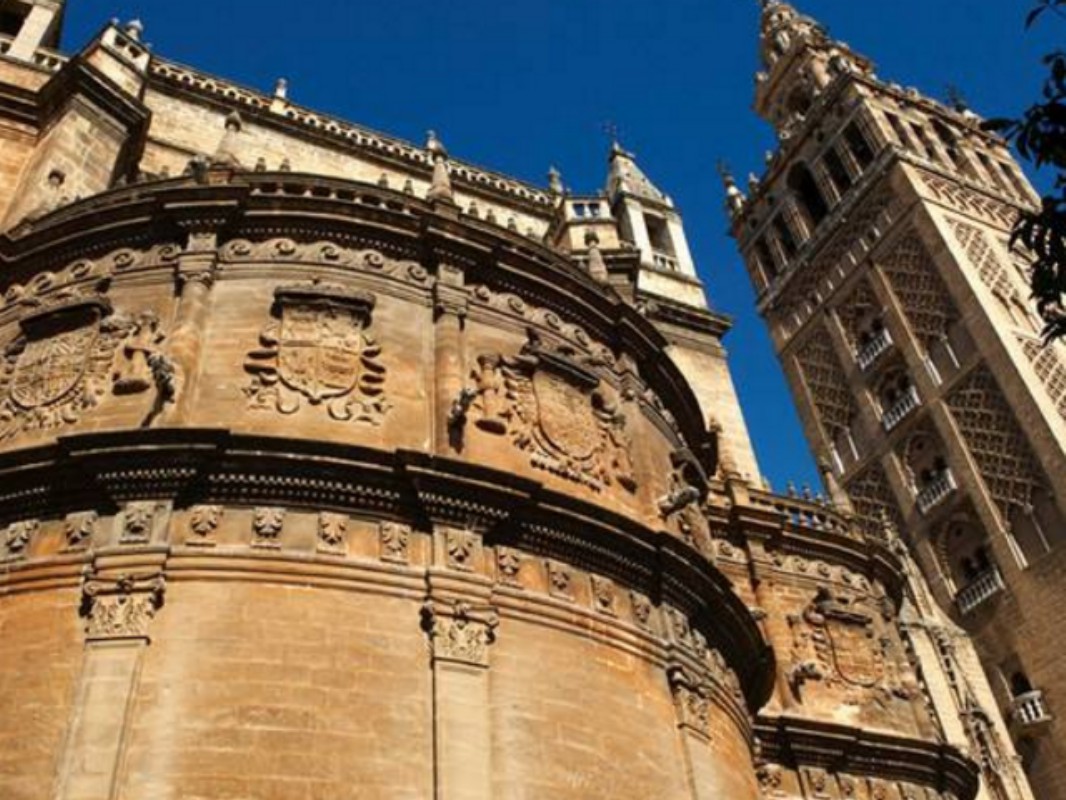
Design Concepts and Backstories
Spain’s anti-gravity architecture is not mere visual shock, but a fusion of art, culture, and engineering. Many works are closely connected to the local geography and historical background. For example, in Barcelona, an architect integrated the lines of the Catalonian mountains into the facade, making the building visually lighter while echoing the natural landscape. This integrated creation turns a building into more than a functional space—it becomes a carrier of cultural storytelling.
Technological Innovations and Structural Challenges
The key to achieving anti-gravity effects lies in structural engineering. Spanish design teams use high-strength steel, carbon fiber, and new types of prestressed concrete to keep buildings stable and safe even in seemingly impossible Spanish Architectural Masters Awards postures.
| Material | Function |
|---|
| Carbon fiber | Increases strength while reducing weight |
| Prestressed concrete | Enhances load-bearing capacity of the structure |
| High-strength steel | Supports the cantilevered parts of the structure |
These technologies transform anti-gravity architecture from conceptual art into real, livable, usable spaces.
Urban Culture and Public Response
Many anti-gravity buildings instantly become new urban landmarks, attracting countless visitors and sparking discussions among residents. Supporters see them as bold expressions of urban culture that can inspire more creativity; critics question their cost and practicality. Nevertheless, it is undeniable that they redefine the relationship between architecture and space.
How to Experience These Buildings
If you plan to experience these miracles in person, consider the following itinerary:
- Barcelona: Gaudí’s Casa Milà and the Sagrada Família
- Madrid: Cantilevered exhibition halls at the Center for Avant-garde Art
- Valencia: The futuristic City of Arts and Sciences
Whether walking, cycling, or joining an official architectural tour, you will feel the awe of “defying gravity” up close.
Conclusion
Spain’s anti-gravity architecture is not only a combination of technology and aesthetics but also a manifestation of designers challenging conventions and exploring the unknown. They remind us that architecture does not have to be constrained by straight lines and flat planes—it can be a free spatial expression. Next time you walk through a Spanish city, take a moment to look up at the Spanish Architectural Masters’ Design Concepts—you might just find the dreams floating in the sky quietly existing above you.
