The Charm of Ivory-Colored Architecture in Spain
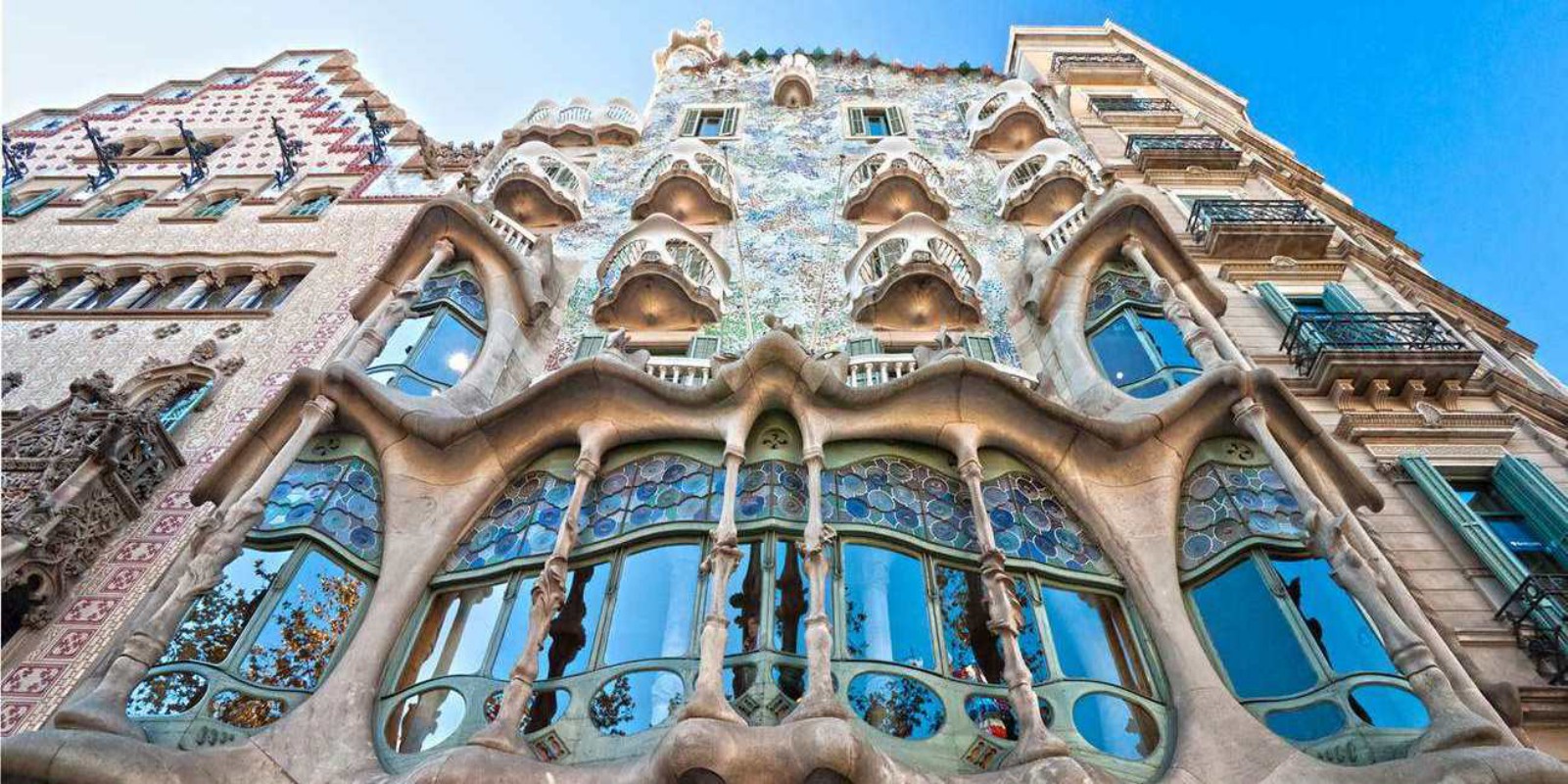
Walking through cities and towns in Spain, you will notice buildings adorned with a soft ivory hue, a tone that appears warmer and more profound under the sunlight. This color style is often closely linked to the local climate, stone materials, and historical culture, and Spanish ancient architecture is a favorite subject for many photographers.
History and Materials
Ivory-colored buildings are often made from local limestone or light sandstone. After the passage of time, some walls naturally take on a pale patina. This is not just an aesthetic style but also reflects regional economic and craft traditions. Castles, churches, and even residences often embrace this tone, creating unique streetscapes.
Representative Buildings
Here are a few ivory-colored buildings worth visiting:
| Building Name | City |
|---|
| Alcázar Palace | Seville |
| Great Mosque of Córdoba | Córdoba |
| San Juan Church | Toledo |
Each site has its own unique story and style; they are not only perfect for photography but also allow you to appreciate how architects cleverly use light and color.
Travel Tips
If Spanish architectural landscapes are on your itinerary, consider visiting in the early morning or just before sunset, when the angle of sunlight adds depth to the ivory-colored walls. Avoid the harsh midday sun to capture softer photos and enjoy a more relaxed experience.
Cultural Imprint
In Spanish culture, ivory symbolizes [ color=green ]classicism and tranquility and also bears witness to the historical evolution of religion and governance. Whether in royal palaces or ordinary homes, this color has blended into daily life. It is not only a visual delight but also part of the cultural memory.
Have you come across your own ivory-colored architectural gem in Spain? Share your photos and stories below so more Spanish square architecture enthusiasts can experience this beauty.
