A Journey Through Spanish Architecture
Walking through the streets of Spain, almost every corner presents a building worth stopping to admire. Here, the Spanish architectural landscapes are not only vessels of culture but also witnesses to history, from the Roman amphitheatres to Gaudi’s whimsical creations, each showcasing a unique artistic language.
Ancient Roman and Medieval Heritage
The Roman amphitheatre in Tarragona almost transports you back two millennia, evoking the times filled with combats and cheers. In Toledo, Mudejar-style churches blend Islamic and Christian elements, turning architecture into a symbol of religious and cultural exchange.
The Moorish Flair of Andalusia
The Alhambra Palace in Granada is a dream for many. Its delicate Arabic patterns and courtyard layouts reveal the refined aesthetic of Moorish architecture. Under the night lights, the historic Spanish architecture becomes even more enchanting.
Gaudi and Modernist Miracles
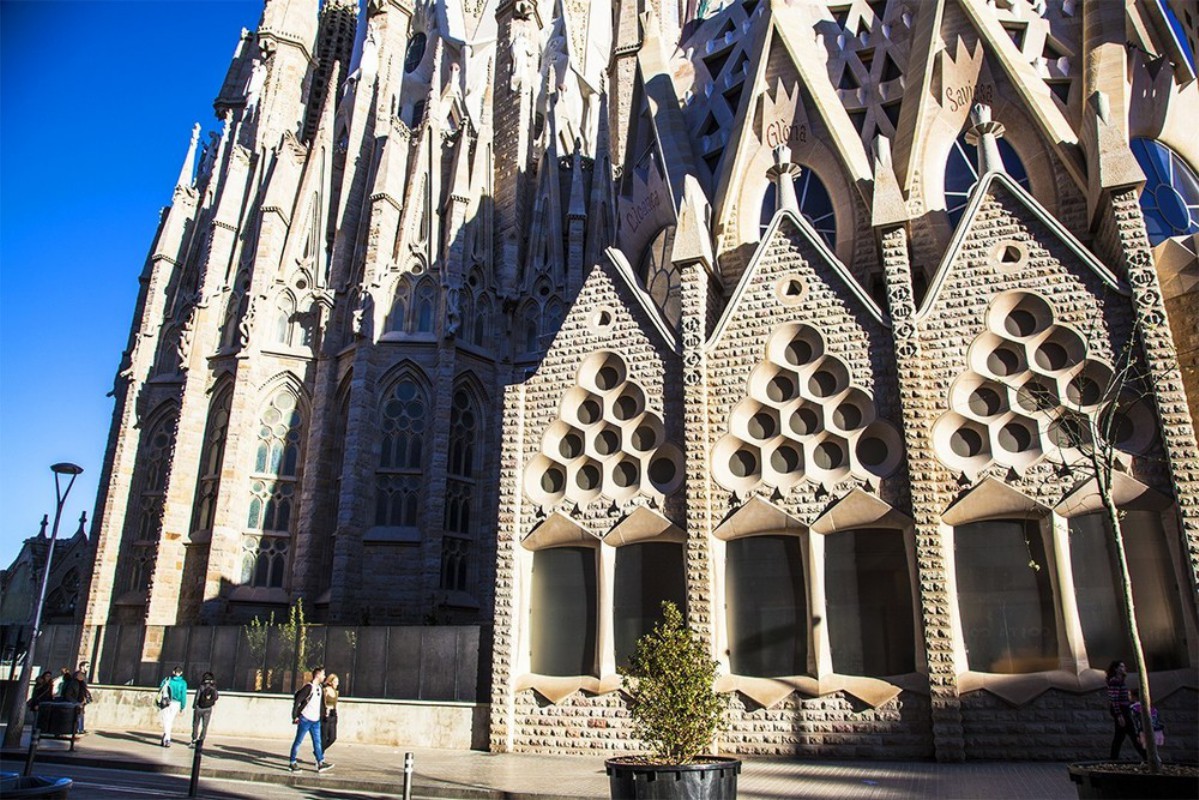
Barcelona’s Sagrada Familia is Gaudi’s masterpiece, with spires soaring into the sky, and curves and colors full of life that evoke the harmony between nature and faith. Each visit to the Sagrada Familia reveals new details and stories.
Table: Overview of Three Iconic Buildings
| Building | City |
|---|
| Sagrada Familia | Barcelona |
| Alhambra | Granada |
| Seville Cathedral | Seville |
The Fusion of Cities and Architecture
In Seville, a Gothic cathedral towers over the old town center, dramatically contrasting with the surrounding narrow streets. This interplay of space and vision gives the city a unique rhythm. Spanish architecture is not merely something to gaze at; it is part of everyday life. Moving through it is a journey for both the senses and the soul.
If the Spanish Square architecture is on your itinerary for exploring Spain, mark these landmarks on your map — they will help you understand the very soul of the country.
