Life and Learning Experience at Spanish Architecture Universities
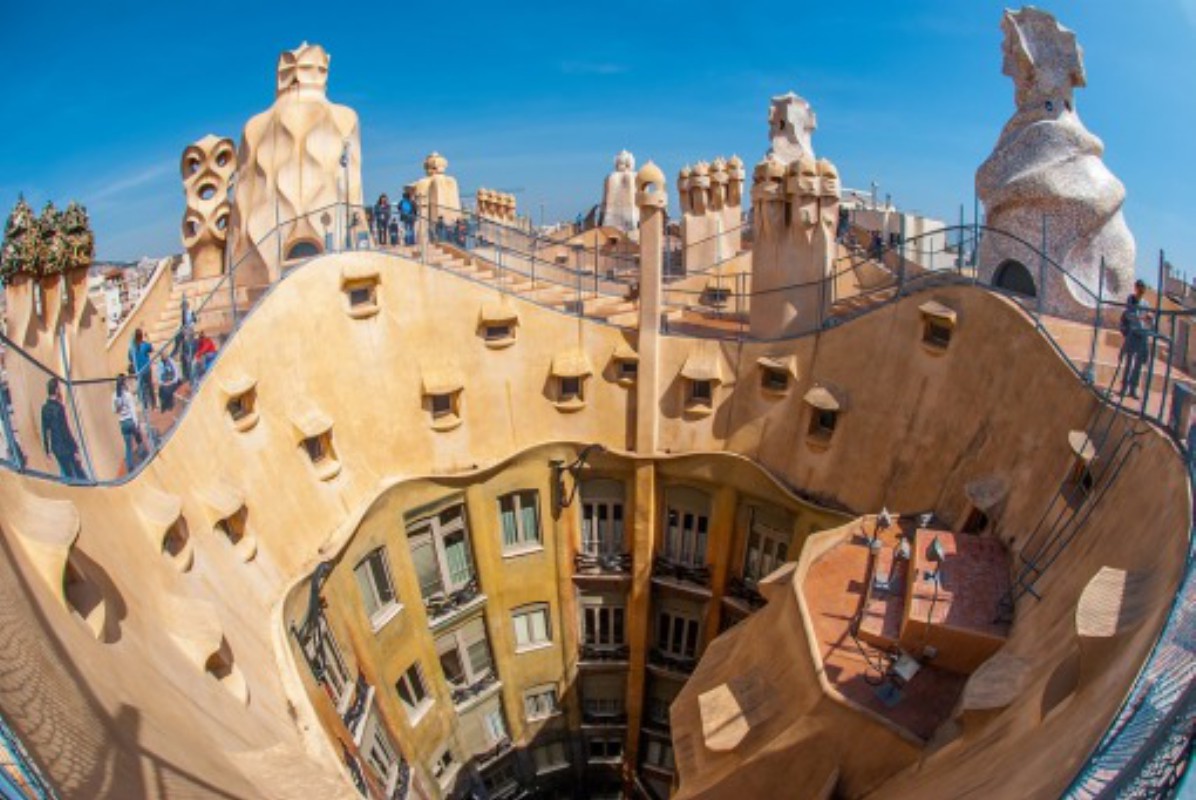
Choosing to pursue architecture in Spain is a dream for many students passionate about design and culture. Spain boasts a long history and diverse architectural styles, from Gothic cathedrals to Gaudí’s modernist masterpieces, all serving as vivid teaching materials. After seeing the details of the Sagrada Familia in Barcelona in person, you can truly feel the fusion of architecture, faith, and society.
Application Process and Language Requirements
Most Spanish architecture universities require transcripts from high school or undergraduate studies, as detailed on [Spanish Architecture University], along with proof of Spanish or English language proficiency. If you choose courses taught in Spanish, it is recommended to have at least a DELE B2 level. Some [Spanish University Architecture] schools offer a one-year preparatory course for international students, making it easier to adapt to the language and academic environment.
| Stage | Details |
|---|
| Preparation | Transcripts, portfolio, language scores |
| Application | Submit documents online |
| Interview or portfolio review | Present design concepts |
| Admission and visa | Apply for a student visa after receiving admission notice |
Curriculum and Study Methods
Architecture programs in Spain usually include modules such as design theory, architectural history, structural engineering, and urban planning. Schools encourage students to participate in real projects, and many courses involve field studies in historic districts. During your studies, you will encounter different design philosophies and learn how to integrate classical elements with modern needs.
Tuition and Living Costs
Compared to other European countries, tuition fees in Spain are relatively affordable; annual tuition for an undergraduate architecture program ranges from around 1,000 to 3,000 euros, but the exact amount varies between public and private institutions. Living costs differ depending on the city, with Madrid and Barcelona being slightly higher. Studying in a smaller city can save a significant amount on expenses.
Lifestyle and Cultural Exchange
Studying at a [Spanish Architecture University] is not only about learning architectural knowledge but also about enjoying a profound cultural experience. Corner cafés, street music during festivals, and exhibitions in art museums are all part of the learning journey. You will collaborate with classmates from all over the world to discuss projects and share your cultural backgrounds.
Whether you are planning to apply or already preparing to depart, understanding all aspects of Spanish architecture universities will help you better plan this educational journey. May more students find their own architectural dreams in this colorful country.
