Family Background and Lifestyle of Spanish Architects
In Spain, the profession of an architect is often misunderstood as high-income and luxurious, yet reality is far more diverse. Different family backgrounds tend to shape their entry into the industry, access to educational resources, and career opportunities.
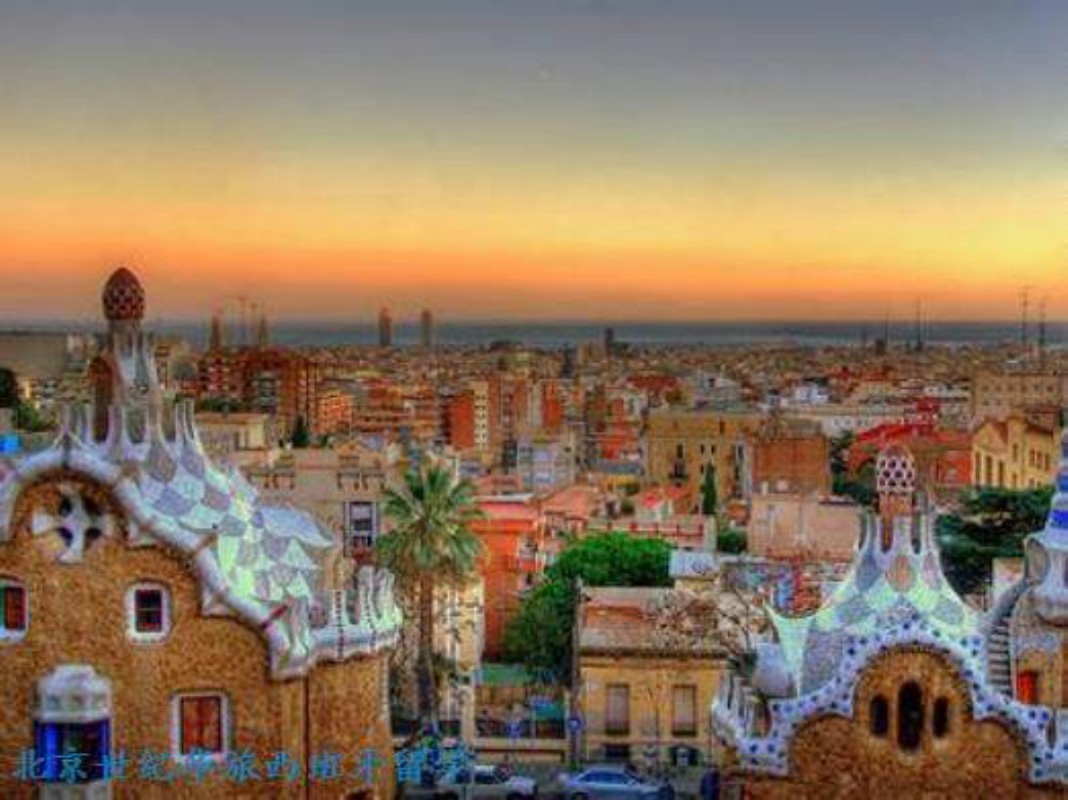
Differences in Family Background
Many architects come from middle or upper-middle-class families and have received art or technical training since childhood. Their parents may be teachers, doctors, or civil servants, offering stable financial support to help them complete an architecture degree at university. Others come from ordinary working-class families, facing the pressures of tuition fees and living costs, which often requires them to work while studying — an experience that gives them greater resilience in their careers.
| Family Type | Impact on Career |
|---|
| Middle class and above | Easier access to overseas exchange opportunities |
| Working class | Greater focus on local project experience |
Income and Living Standards
In Spain, starting salaries for architects often range from €2,000 to €3,000 per month, but after taxes and rent, disposable income is relatively limited. Living in major cities such as Madrid or Barcelona can make this financial pressure more intense. Some choose to work in smaller cities, as shown in Spanish Architects’ Home Designs, where projects may be smaller in scale but living costs are significantly lower.
Career Development in Relation to Family Background
Architects with stable family support can more easily endure the low-income stage at the beginning of their careers and even invest in their own practice. Those from modest backgrounds tend to join established firms, seeking steady pay and professional training. This difference not only shapes career directions but can also influence Spanish Architecture in terms of style and market positioning.
Lifestyle and Values
The lifestyle of Spanish architects is often closely tied to their family circumstances. Some regularly attend art exhibitions and travel for inspiration, while others focus more on cost-effectiveness and practicality, such as completing renovation projects in their hometowns. Their design philosophy often merges real-life practice with personal cultural background, contributing to Spain’s rich and diverse architecture scene.
Summary and Discussion
Regardless of family affluence, Spanish architects share a common pursuit of spatial aesthetics and functional practicality. Family background is an influential factor but not a decisive condition. For young people looking to enter the industry, understanding Spanish Architectural Masters and these realities can help in better planning their career paths. Readers are invited to share stories of architects they know to see if these observations hold true.
