Gaudí and Modernist Architecture
When it comes to architecture in Spain, many people’s first thought is Antoni Gaudí. Barcelona’s Sagrada Família, his self-designed Casa Milà and Casa Batlló all showcase a unique beauty full of curves and natural elements. These works combine the colors and forms of the natural world, making you feel as if you are stepping into a fairy-tale-like real space. When you visit in person, don’t forget to observe the play of light and shadow on the buildings at different times of the day—the sense of movement is something photos can never fully capture.
Moorish Style and the Legacy of Andalusia
If you have walked through Granada, as explored in Spanish architecture, you cannot overlook the Alhambra. The intricate carvings, repetitive geometric patterns, and arched windows and doors of Moorish architecture embody the fusion of Arabic culture with Spain. Walking through its courtyards, the channels and fountains bring coolness—an ingenious achievement in dry regions. 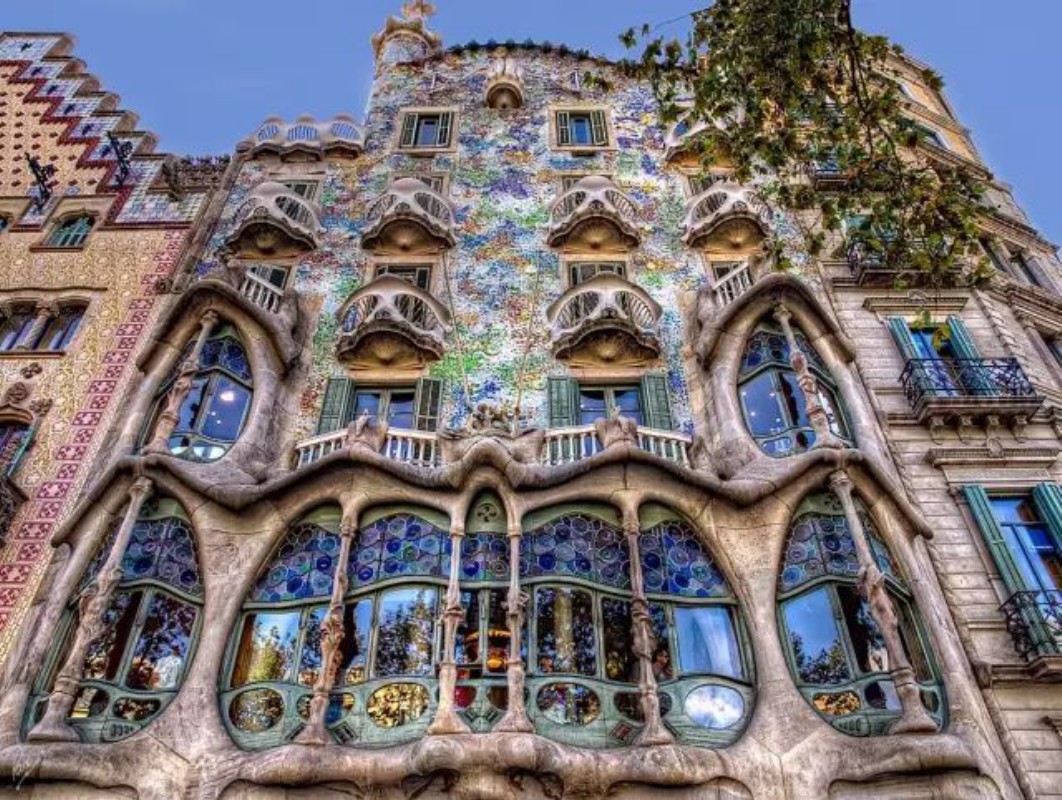 In the hot summer months, these design features are not merely aesthetic but also highly practical.
Gothic Style and the Medieval Spirit
From Toledo to León, Gothic architecture is famous for its towering spires, stained-glass windows, and complex buttresses. Gothic buildings are not only technical achievements, but also expressions of spiritual faith and societal structure. The stained-glass windows in churches cast colorful light when the sun shines through, creating a serene, contemplative aesthetic experience.
Overview of Famous Architectural Sites
| City | Architectural Style |
|---|
| Barcelona | Modernist, Spanish architecture Gaudí works |
| Granada | Moorish style, Alhambra |
| Toledo | Fusion of Gothic and Renaissance |
| Córdoba | Mosque and Christian elements |
Fusion of Contemporary and Traditional
In recent years, Spanish architects have been experimenting with combining traditional elements with modern design—for example, using Moorish patterns on glass curtain walls, as detailed in Spanish marine architecture, or adding clay tile roofs to modern residences to echo the landscape of traditional villages. This fusion not only reflects advances in architectural aesthetics but also illustrates the continuity of cultural heritage in everyday life.
Architectural Details in Daily Life
Living in Spain, you will notice architectural elements everywhere—in daily streets, terraces, and even small markets. Whether it isa centuries-old arch or a newly built minimalist café, these spaces together shape the rhythm of the city. Enjoying coffee on a balcony with friends or chatting on benches in a square allows you to feel the comfort and intimacy architecture brings. It is not only a visual pleasure but also a reflection of a daily way of life.
