The Unique Charm of Spanish Crema Marfil
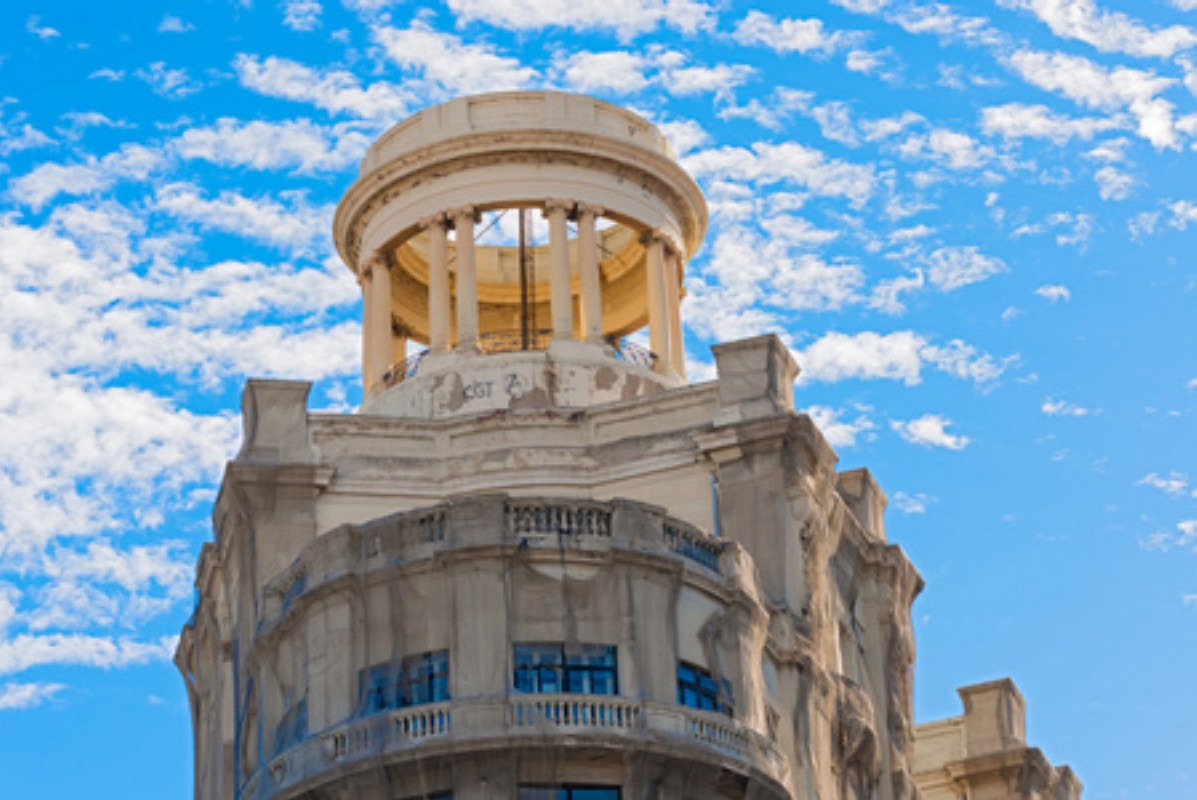
Spanish Crema Marfil is a natural stone with a warm hue that presents a soft light yellow tone under sunlight. This material has a profound history in the field of architecture, especially prevalent in regions such as Andalusia and Valencia. It is used not only for facades but also commonly seen on interior floors, columns, and carved decorations. For those who appreciate architectural culture, as found in Spanish Architecture, this is, according to Spanish Architecture, a material that is both classical and enduring.
Historical Evolution and Distribution
Spanish Crema Marfil originates from quarries along the Mediterranean coast, formed through millions of years of geological changes. Important sources exist in Catalonia, Alicante, and Murcia, where there are significant sites related to Spanish Maritime Architecture. After cutting and polishing, these stones have become a favorite in the building and decoration industry. In ancient times, they symbolized noble residences and religious buildings, while today they are equally popular in modern hotels and municipal projects.
| City | Representative Building |
|---|
| Málaga | Málaga Cathedral |
| Alicante | City Hall Facade |
| Granada | Partial Restoration of the Alhambra Palace |
Appreciation of Representative Buildings
On the façade of Málaga Cathedral, you can see abundant patterns and color variations of Crema Marfil. This material conveys both warmth and solemnity. Alicante’s City Hall also utilizes Crema Marfil, making the building appear even more elegant in the coastal sunlight. Walking through the streets of the old town, the pavements and walls built with Crema Marfil complement each other, creating a unique living atmosphere.
Crema Marfil in Daily Life and Tourism
For residents in Spain, Crema Marfil is not limited to famous monuments. Many homes feature it on balconies, fireplaces, and dining tables due to its durability and ease of cleaning. Although the price is not cheap, its longevity and beauty are enough to offset the cost. Tourists strolling through historic streets or squares can also easily encounter this material, which is both common and artistically appealing.
Maintenance and Care Tips
While Crema Marfil is suitable for long-term use, it should still be protected from erosion by strong acidic cleaning agents. Regular wiping with a neutral cleaning solution is recommended, and surfaces should be kept dry, especially in coastal cities. Some experienced stonemasons recommend professional waxing once a year, which can extend the stone’s lifespan. Whether in homes or public buildings, proper care can keep Spanish Crema Marfil retaining its natural beauty for years to come.
