Master’s Program in Spanish Architectural History and Life Experience
As a student who completed a Master’s in Architectural History in Spain, I would like to share on the forum some authentic experiences and practical advice, hoping to help friends considering further studies in Spanish Historical Architecture.
Academic Background and Curriculum
Spain holds a unique place in the history of European architecture, offering rich examples from Mudéjar, Gothic, Baroque to Modernism, as highlighted in Spanish History and Architecture. The Master’s program generally covers research methods in architectural history, urban development evolution, and heritage conservation. Classes often take us into museums or historic districts, this immersive style of learning is truly captivating.
| Course Module | Main Content |
|---|
| Architectural History Theory | Background and style analysis of historical periods |
| Heritage Conservation Practice | Restoration techniques and case studies in Spanish Architectural Historical Styles |
| Urban Development Studies | Urban planning and socio-economic connections |
Application and Preparation
Applying for the Master’s in Spanish Architectural History usually requires a related undergraduate background and a certain language proficiency. In addition to English-taught programs, some universities may require proof of Spanish or Catalan language skills. I personally recommend preparing your portfolio in advance, including research reports and architectural survey drawings, to make your application more competitive.
Study Experience and Extracurricular Activities
Outside the classroom, professors encourage us to participate in field investigations, such as conducting on-site research in Seville, Toledo, or even smaller towns. 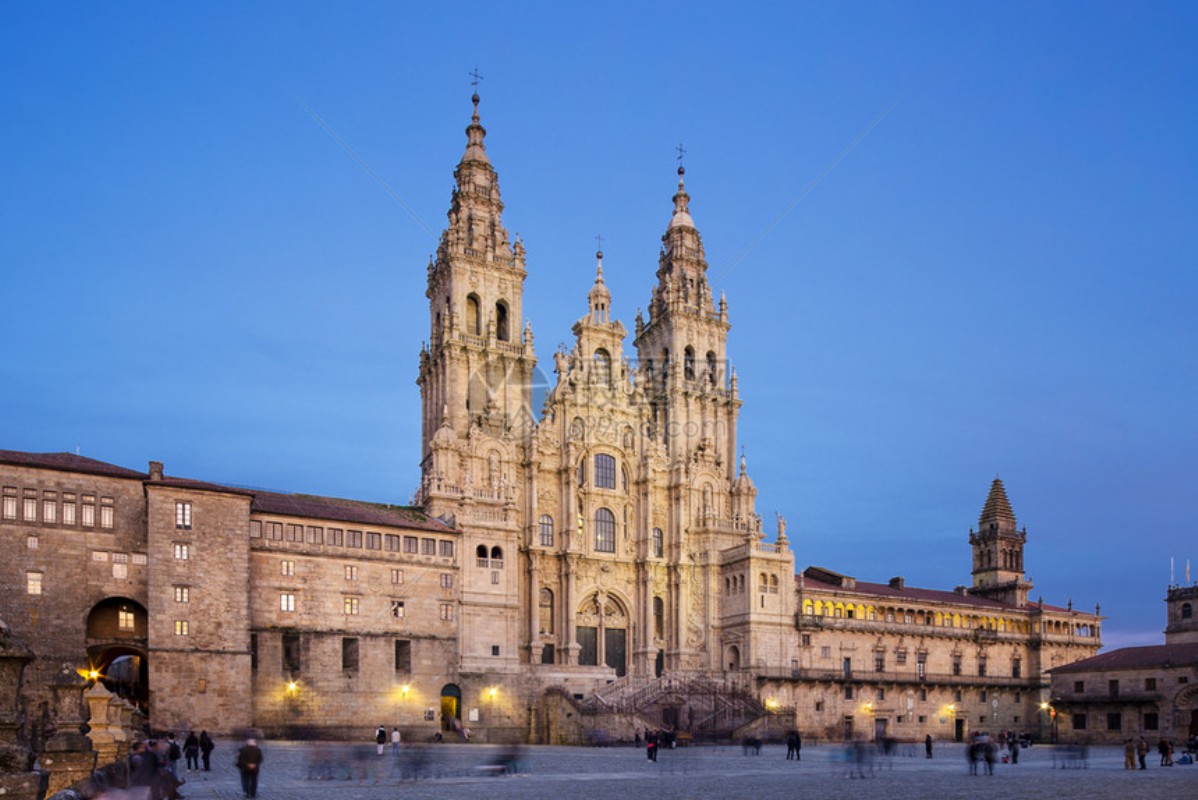 These activities not only deepen our understanding of local architecture but also strengthen bonds among classmates. The academic atmosphere in Spain is relatively open, with discussions emphasizing diverse perspectives.
Living Costs and Cultural Adaptation
Living costs vary depending on the city; Madrid and Barcelona are slightly higher, while smaller cities like Granada are more affordable. When renting, pay attention to contract details; some students choose to share apartments to save on expenses. For cultural adaptation, participating in the university’s international student activities can help you quickly integrate into the local community.
Career Prospects and Development Paths
After completing the Master’s, you can work in museums, cultural heritage conservation institutions, or join architectural firms focusing on historic building restoration. In Spain and across Europe, professionals with an architectural history background have strong competitiveness in heritage, planning, and academic research fields. Overall, this experience was truly meaningful for me, bringing significant professional growth and broadening my personal horizons.
