Historical Overview of Spanish Church Architecture
Spanish church architecture is like history frozen in stone. From early Romanesque and Gothic to Renaissance and Baroque styles, each church stands as a crystallization of its era and faith. It is not only a place of worship but also a vessel of social and artistic fusion, and walking through them feels as if you can touch the air from centuries past.
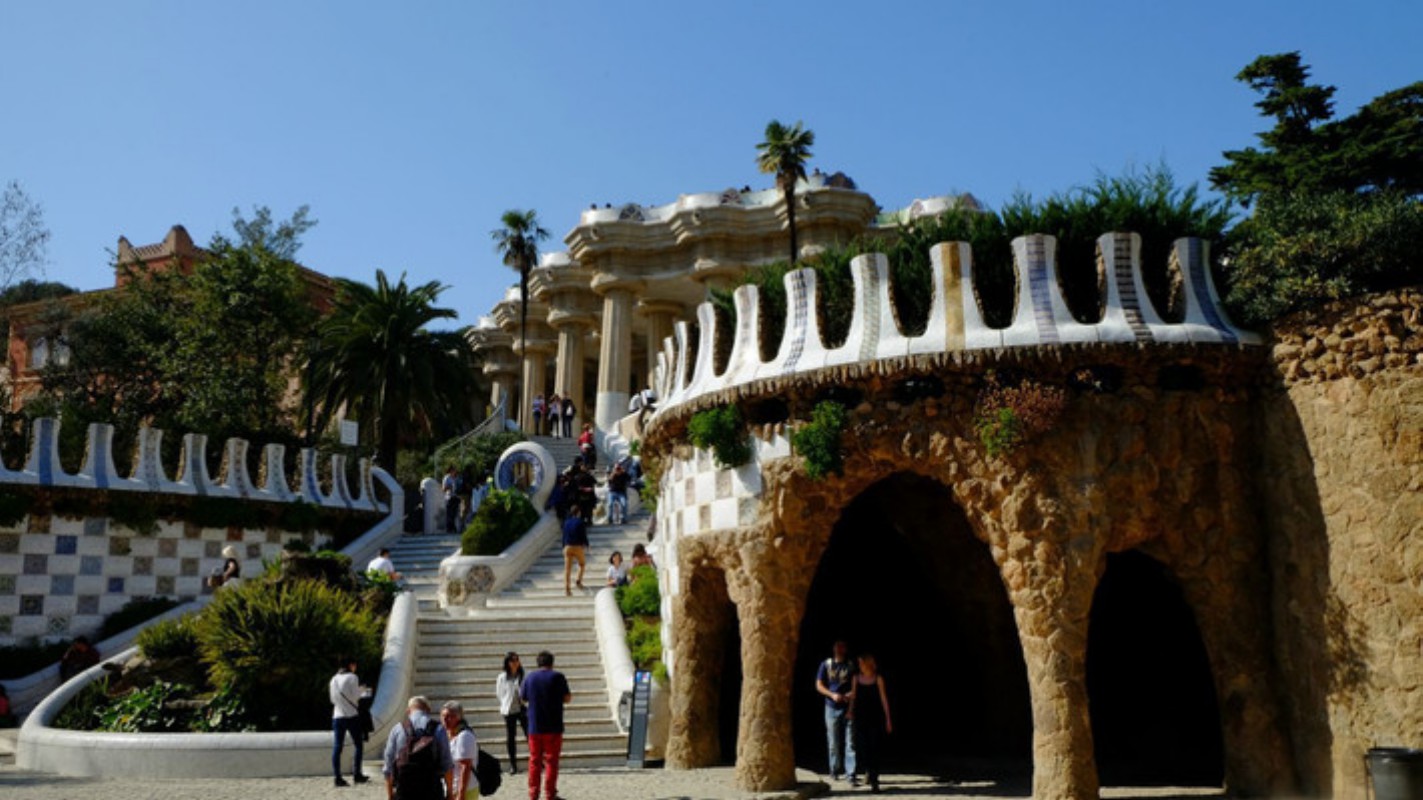
Romanesque Origins and Features
In the early Middle Ages, Romanesque churches in Spain often featured thick walls and semicircular vaults, giving a sense of solidity and tranquility. Common building materials included limestone and granite, with a simple yet solemn appearance. Below is a comparison between Romanesque and Gothic church structures:
| Architectural Style | Features |
|---|
| Romanesque | Thick walls, small windows, semicircular arches |
| Gothic | Soaring spires, large ornate windows, pointed arches |
The Lofty Splendor of Gothic
Starting from the 12th century, Spanish historical architecture in the Gothic style flourished throughout Spain. Towering spires and intricate stained glass allowed light to pour in, creating a nearly mystical atmosphere. The Barcelona Cathedral and León Cathedral are outstanding examples, combining architectural height with spiritual aspiration in near perfection.
Renaissance and Baroque Details
During the Renaissance period, churches placed greater emphasis on proportion and symmetry, incorporating classical columns and geometric beauty into altar designs. The Baroque era, in contrast, pursued visual impact and emotional expression, with elaborate interiors and bold colors that strike awe upon entry. The Cathedral of Saint Mary of the See in Seville stands as a pinnacle of Baroque artistry.
Contemporary Preservation and Cultural Value
Today, [Spanish architectural history master’s] graduates and enthusiasts witness these churches hosting not only prayers but also concerts and exhibitions. They are part of everyday city life, and [Spanish history and architecture] remain an essential window for visitors exploring Spanish culture. Architects and heritage conservators are striving to preserve these treasures, ensuring that future generations can continue to experience their beauty and strength.
Whether you are an architecture aficionado or a traveler, Spanish churches are worth your time and attention. Every stone bears history, and every stained-glass window reflects faith and hope.
