The Charm of Spanish Villa Design
In Spain, whether in the white towns of Andalusia or between the mountains and sea of Catalonia, villa design carries its own distinctive allure. The Mediterranean climate inspires spacious balconies and airy interiors. Spanish architects often integrate environmental factors, local materials, and artistic traditions to create homes that are both beautiful and functional.
Main Architectural Styles
Here at the Gulangyu Spanish Villa, the most common villa styles include Mediterranean, modern minimalist, and rustic traditional blends. The Mediterranean style emphasizes white walls, red clay tile roofs, and arched doors and windows; modern minimalist focuses more on clean lines and light; rustic style features stone textures and wooden beams. Different styles suit different lifestyles and geographic locations.
| Style Type | Features |
|---|
| Mediterranean | White walls, red tiles, arched windows, good ventilation |
| Modern Minimalist | Clean lines, floor-to-ceiling glass, multifunctional layouts |
| Rustic Traditional | Stone walls, wooden beams, warm color palette |
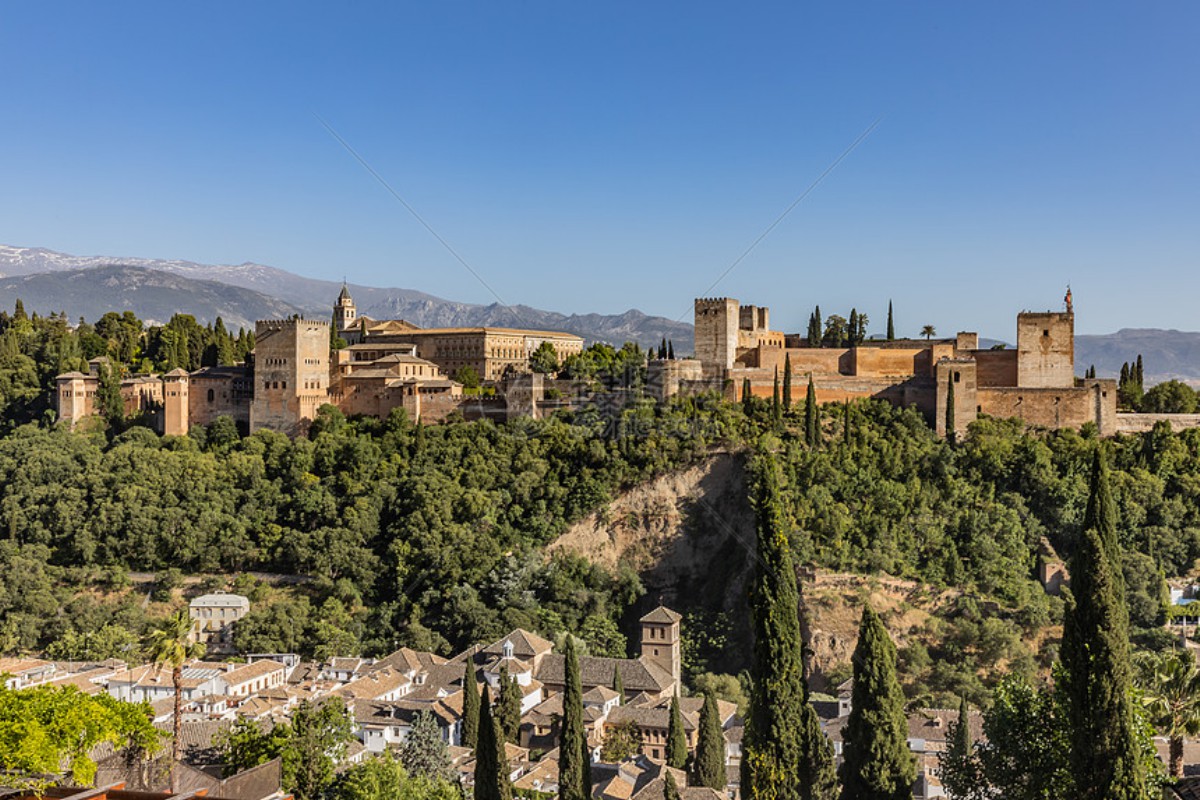
Space Layout Tips
When designing a villa’s layout, separation of active and quiet zones is important. Living rooms facing gardens or pools allow for pleasant views, while bedrooms should avoid direct sunlight to ensure comfortable rest. Combining an open kitchen with a dining area not only facilitates daily life but also creates a welcoming atmosphere for gatherings.
Spanish architecture pays special attention to transitional spaces between indoors and outdoors, such as covered porches, gazebos, or pergola terraces. These features provide shade and create natural ventilation pathways.
Materials and Sustainability
When choosing materials, apart from the aesthetics of Spanish Villa Names, consider weather resistance and environmental impact. Local clay tiles, natural stone, wood, and modern eco-friendly cement are excellent options. Using renewable resources and energy-efficient glass can reduce energy consumption and enhance comfort.
Community and Regulations
When building or renovating a villa in Spain, it is essential to pay attention to local building regulations and community planning guidelines. Some regions have specific requirements for building height, facade colors, and window shapes. It is advisable to consult with professional architects and municipal authorities early in the design process to avoid costly changes later.
Conclusion
Spanish villa design is a fusion of art and lifestyle, balancing aesthetics with practicality and sustainability. When you delve into Spanish Villa Architecture and understand the local climate, culture, and regulations, you can create a truly comforting home. Blindly following model home trends is not advisable—finding a style that suits you is the key.
