The Artistic Style of Spanish Architecture
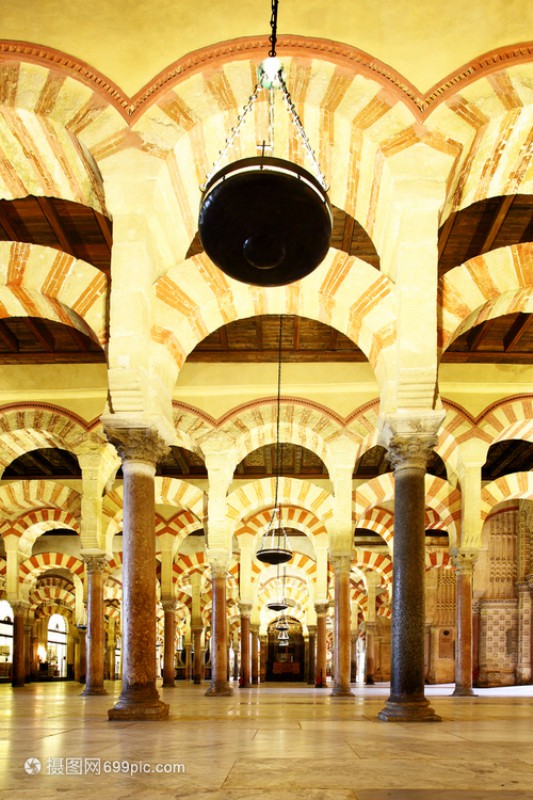
Spanish architecture is often more than just a space to live in or use—it feels like an open-air art gallery within the city. From Barcelona’s Gaudi to Bilbao’s Guggenheim Museum, this fusion of aesthetics and functionality turns every stroll down the street into an immersive three-dimensional scene.
The Influence of Gaudi and Modernism
Gaudi’s works are filled with natural curves and vibrant colors, creating a dialogue between architecture and nature. For example, the Sagrada Familia, with its towers blending seamlessly into the skyline, evokes a dreamlike atmosphere. This artistic presence has inspired many local designers, who incorporated more Spanish Artistic Architecture sculptures, mosaics, and stained glass elements into their buildings.
| City | Iconic Building |
|---|
| Barcelona | Sagrada Familia |
| Bilbao | Guggenheim Museum |
| Madrid | Royal Palace |
Artistic Architecture in Urban Life
In Spain, architecture serves as a vessel of culture and is deeply intertwined with daily life. Many residential blocks feature colorful facades and intricate wrought-iron balconies, details that allow both locals and visitors to embrace a strong sense of artistic living.
Walking along the cobblestone streets of small towns, you may notice that seemingly ordinary homes conceal exquisite carvings and vibrant ceramic tiles around windows and doorways, inviting you to pause and admire.
The Tourism Value of Artistic Architecture
Spain’s artistic architecture is one of its major tourist attractions. Whether historical landmarks or modern design masterpieces, they offer Spanish Artistic Architecture a unique visual experience and captivating backstories. Visitors often fall in love with a city because of a single building, while photographers consider Spanish New Artistic Architecture a paradise for shooting.
How to Truly Feel This Charm
To fully understand the artistic tendencies in Spanish architecture, the best approach is to explore various regions in person, taking time to observe at different times of the day. The interplay of morning light and evening hues can transform the same building into something entirely different. Engaging in conversations with local residents and hearing the stories behind the structures will deepen your appreciation of this merging of art and everyday life.
