Analysis of Spanish Architectural Colors
Walking through the streets and alleys of Spain, it is easy to be captivated by the vivid yet warm colors. The architecture here is not only a reflection of functional space, but also unfolds like expansive canvases. Whether under the Andalusian sunshine or in the Basque sea breeze, each region has its own unique color code.
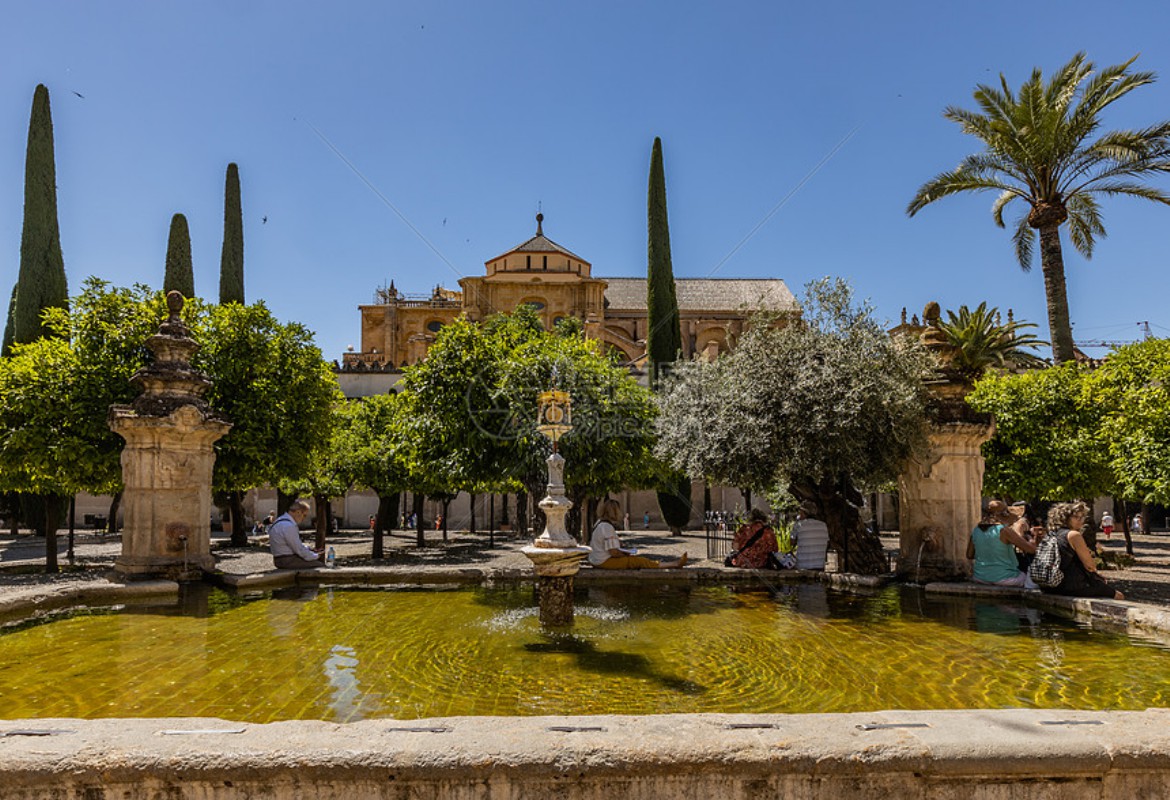
Regional Differences and Color Characteristics
Traditional white walls paired with orange roof tiles in Andalusia are a clever response to intense sunlight; Catalonia skillfully incorporates bright yellow, blue-green ceramic tiles into building facades, continuing the romance and freedom from Gaudí’s era. Northern Spain tends to use deep red, lime gray, and the natural tones of wooden structures enhanced by the moist, cool climate, often integrated with tools like [Spanish Architectural Analysis Software].
Tip: In coastal towns, architecture often uses bright colors to help fishermen navigate at sea — a blend of aesthetics and functionality observed by the [Spanish Architectural Analyst].
Common Colors and Emotions
| Color | Emotion & Function |
|---|
| White | Freshness, reflects sunlight, lowers indoor temperature |
| Red | Passion, festive atmosphere, symbol of strength |
| Blue | Serenity, connection to the ocean |
| Yellow | Cheerfulness, symbol of sunshine and optimism |
These colors create entirely different visual experiences under varying seasonal and lighting conditions. For instance, white walls at noon are glaringly bright, whereas earthy yellow in the evening glow feels softer and calmer.
Historical and Cultural Background
Spanish architectural colors are deeply influenced by history: geometric patterns and glazed tiles from the Moorish period made color use more detailed and rich; the Renaissance and Baroque periods brought the golden and reddish-brown grandeur found in the [Spanish National Pavilion]. This diversity in color reflects the complex cultural trajectory of the Iberian Peninsula.
Color Use in Modern Cities
Even in contemporary cities dominated by concrete and steel, Spaniards still love adding vibrant color blocks to balconies, doorframes, and rooftops. Some municipal plans even require street-facing buildings to maintain a certain proportion of traditional colors to preserve neighborhood visual identity and cultural continuity. This practice allows cities to retain their personality amid modernization.
Residents’ Experience of Living
Living in such a colorful environment, people often have a more positive mental state. Studies show that warm hues encourage social interaction, while cool tones help relaxation and concentration. The colors of Spanish architecture are not merely decoration, but the backdrop of daily life, subtly influencing the emotions and rhythms of its residents.
During your travels in Spain, have you captured architectural colors that left a deep impression? Feel free to share your photos and stories in the comments section.
