The History and Charm of Spanish Architectural Styles
Spanish architectural styles bear the imprint of a rich blend of cultures, ranging from ancient Roman ruins to avant-garde modern design, each reflecting the aesthetic and technical achievements of its period. Differences in regional climate and culture have also shaped distinctive structural forms, making a walk through the streets feel like traveling through time.
Ancient Rome and Iberian Tradition
In many Spanish cities, you can find Roman-era bridges and amphitheaters. For instance, Segovia’s aqueduct is not only an engineering marvel but also a testament to the Roman integration of functionality and beauty. Native Iberian architecture often used stone and wood, focusing on practicality and durability, laying the groundwork for future structures.
The Artistic Beauty of Moorish Style
Moorish architecture had a profound influence in Spain, especially in Andalusia. The Alhambra in Granada, with its intricate geometric patterns and arches, showcases the elegance of Islamic artistry. The use of arched and horseshoe-shaped windows served not only decorative purposes but also reflected climate-adaptive wisdom.
Fusion of Gothic and Baroque
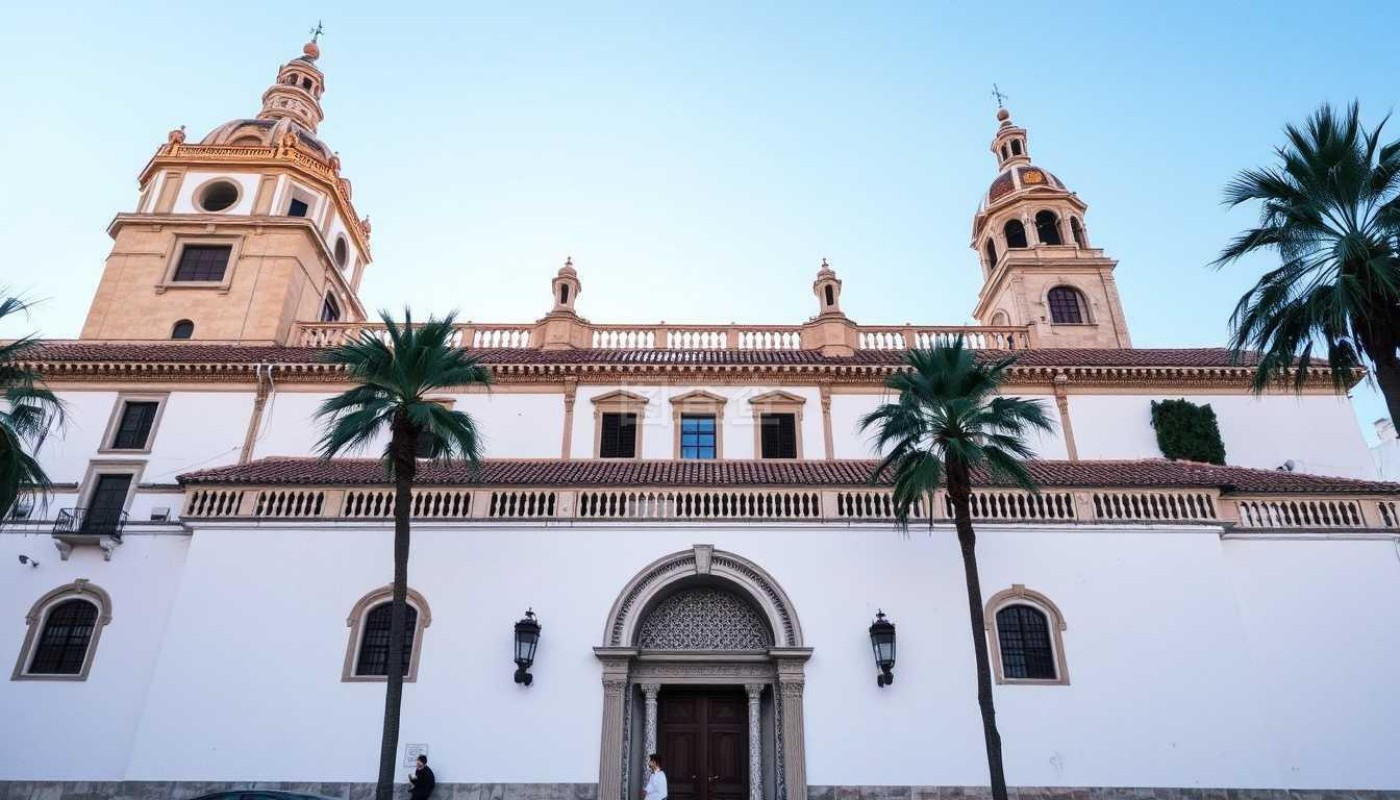
In the late Middle Ages, [Spanish Architectural Analysis Software] Gothic architecture flourished in Spain, with spires and stained glass windows lending grandeur to religious buildings. By the Baroque period, lines became softer and decoration more elaborate, evident in churches in Madrid and Seville. This fusion created a unique visual depth, and [Spanish Architectural Analyst] embodied both the structural power and an artistic sensitivity.
Modern and Contemporary Innovation
Entering the 20th century, Spanish architects began to explore modern forms. Gaudí’s works are iconic among them, with Barcelona’s Sagrada Família famed for its bold curves and distinctive ornamentation. Contemporary architecture often embraces sustainable materials and open-space designs, such as the Guggenheim Museum in Bilbao, a major cultural landmark for the city.
Style Comparison Table
| Style | Features |
|---|
| Ancient Rome | Integration of function and aesthetics |
| Moorish | Detailed geometry and arches |
| Gothic | Spires and stained glass windows |
| Baroque | Ornate decorations and soft lines |
| Modern | Eco-friendly materials and open spaces |
The diversity of Spanish architecture stems not only from layers of history and culture but is also closely tied to geography and societal change. Whether strolling along ancient city walls or wandering through modern districts, [Spanish Architectural Colors] you will feel the land’s distinctive aesthetic philosophy and architectural wisdom.
