The Role of Architectural Analysts in Madrid
In a city like Madrid, where history and modernity intertwine, the presence of architectural analysts is particularly significant. They not only study the structure and style of buildings but also delve into the interaction between Madrid ground architecture and its surrounding environment. Architectural analysis is a task that requires interdisciplinary knowledge, encompassing everything from engineering technology to artistic aesthetics. Madrid’s neighborhoods feature building clusters from different eras, offering analysts rich research samples.
The Combination of City and History
Madrid’s old town preserves numerous buildings from the 18th and 19th centuries, each with unique characteristics in both form and function. From facade carvings to street layouts, every detail may Madrid architecture reflect the social and economic conditions of the time. When studying these historical heritages, architectural analysts must balance preservation and utilization to ensure that cultural memory is not diluted during modernization.
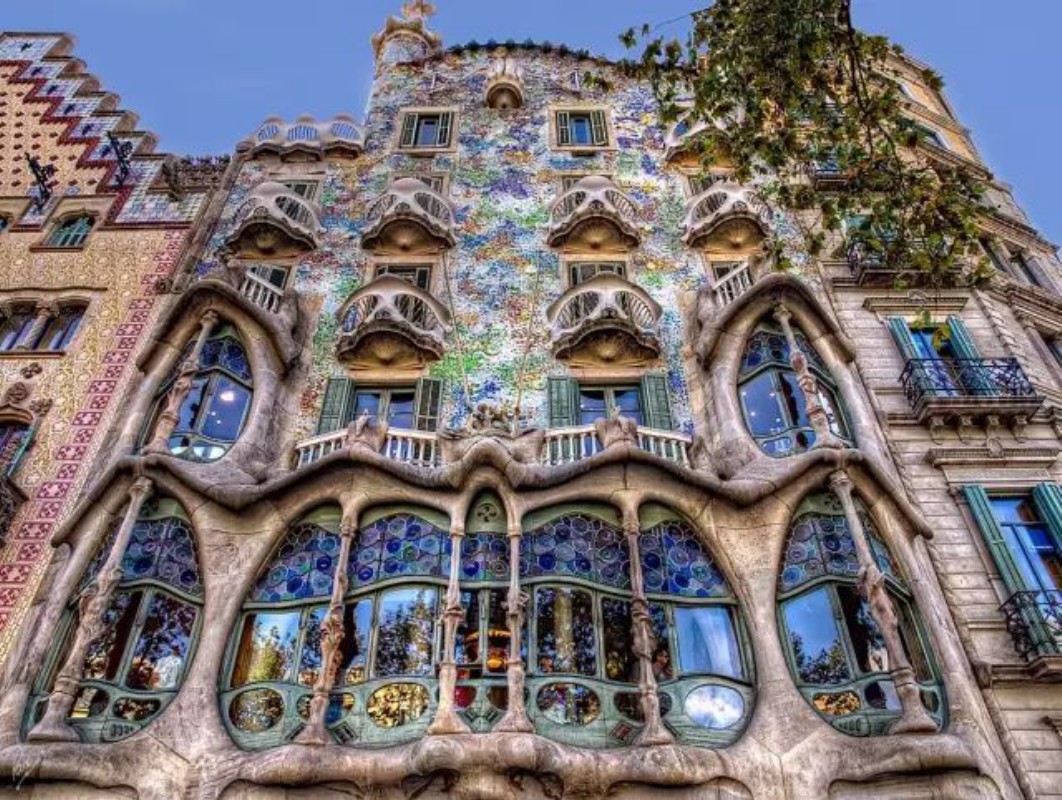
Challenges of Modern Architecture
As the city expands, Madrid continuously welcomes new architectural projects. From high-rise office buildings to eco-friendly communities, the works of contemporary architects bring fresh design concepts. Architectural analysts must evaluate the long-term sustainability and adaptability of these designs. Green building concepts are gradually spreading in Madrid, which requires analysts to continually update their knowledge base.
Common Dimensions in Architectural Analysis
| Dimension | Description |
| Structural Safety | Ability to withstand earthquakes and other natural disasters |
| Aesthetic Style | Consistency with surrounding environment and culture |
| Functional Layout | Spatial distribution that meets users’ needs |
| Environmental Impact | Effects on the ecological environment and energy efficiency levels |
Community and Public Participation
In Madrid, many architectural projects include public consultation phases, allowing residents to participate in the exchange of opinions. This practice helps architectural analysts gain a more comprehensive understanding of a project’s social impact. Public feedback often influences the final design, making buildings more suited to community needs. In this interaction, analysts serve as both professional evaluators and communication bridges.
Conclusion and Outlook
As Madrid architecture architectural analysts in Madrid, their work is not only technical but also cultural. They must view urban development along a long timeline, avoiding a one-sided pursuit of short-term gains. In the future, with the introduction of intelligent technology and data analysis, architectural evaluation will become more precise and efficient, while maintaining a deep humanistic concern. Every update in the city of Madrid is worth recording and understanding.
