Analysis of Spanish Architecture
When talking about Spain, people often think of sunshine and beaches, but the architectural art of this land is equally fascinating. Spanish architecture not only has a long history but also boasts diverse styles, from the Gothic of the Middle Ages to the fantastical forms of Modernism, reflecting the cultural accumulation of different regions and eras.
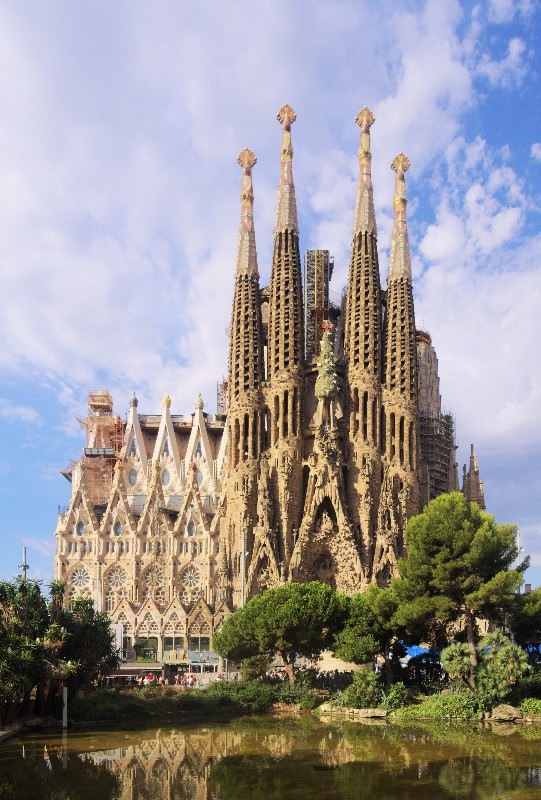
The Interweaving of History and Styles
The architectural history of Spain can be traced back to ancient Roman times, but its distinctive character was truly established with the Gothic and Mudéjar styles of the Middle Ages. In buildings such as Burgos Cathedral, you can witness the unique coexistence of pointed spires and flying buttresses alongside Islamic geometric decoration. This fusion is not a simple overlay but a natural evolution through conflict and cultural exchange.
Regional Differences and Iconic Buildings
Catalonia’s Modernist architecture, epitomized by Gaudi’s Sagrada Familia and Casa Milà, uses daring curves and colors to break away from tradition; while Andalusia’s white villages and the Alhambra Palace showcase strong Moorish influences. These regional differences make the study of Spanish architecture especially engaging, turning city tours into a journey through various eras and cultures.
| Region | Representative Style |
|---|
| Catalonia | Modernism, Gaudi’s works |
| Andalusia | Moorish style, white villages |
| Castile | Gothic, Renaissance |
Tip: If the [Spanish Architecture Analysis Software] inspires you to explore in person, it’s recommended to plan your route based on stylistic features, traveling from north to south to experience both the climate and the architectural diversity.
The Influence of Contemporary Development
Contemporary Spanish architecture has not abandoned tradition; rather, it retains historical character while introducing eco-friendly and modern materials. Landmarks such as the Guggenheim Museum Bilbao serve not only as art galleries but also as symbols of urban transformation. Some new residential areas integrate natural lighting, ventilation, and energy-efficient design, providing valuable examples for future [Spanish Architecture Analysts].
Summary and Discussion
Spanish architecture is a three-dimensional history book — from stone castles to glass curtain walls, each page records changes in society, economy, and technology. Whether you are an academic researcher or a travel enthusiast, this country offers rich topics and inspiration on [Spanish Architectural Colors]. You are welcome to share in the comments any interesting buildings you have seen in Spain or photographs you have taken.
