The Charm and Techniques of Spanish Architectural Sketching
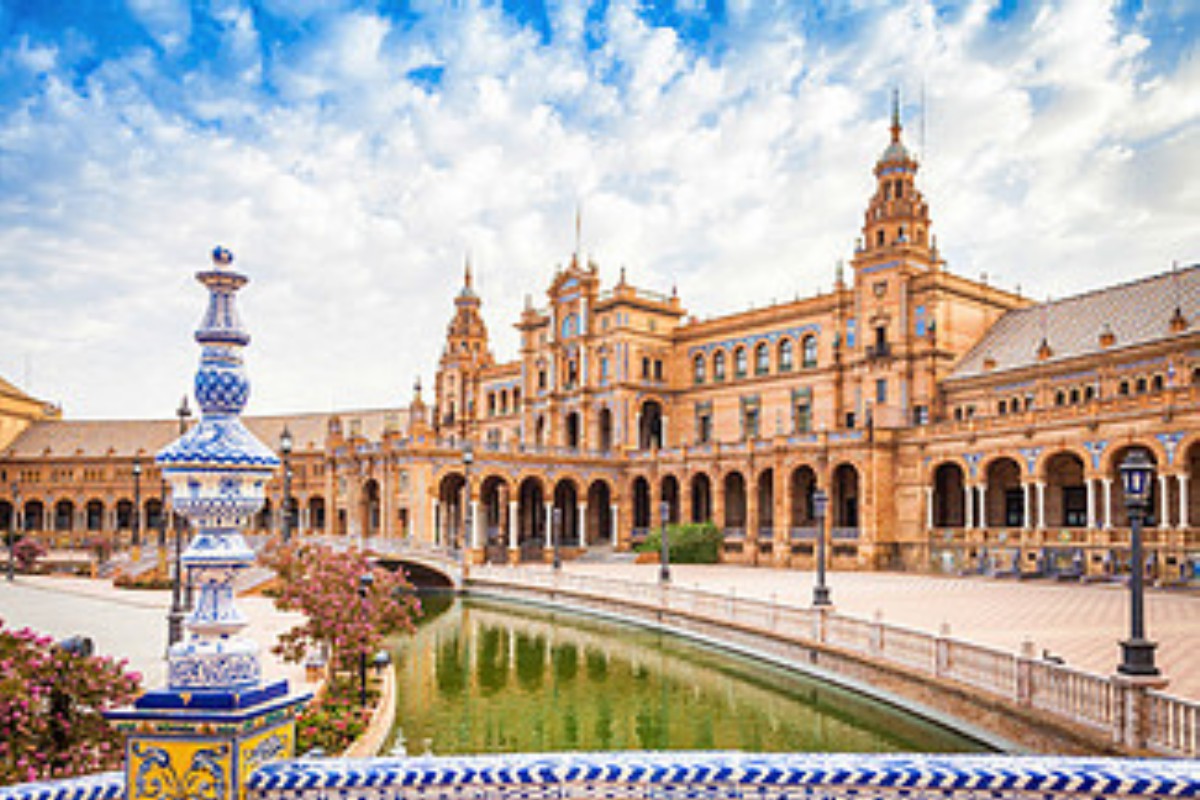
After living in Spain for a while, you’ll notice that the architectural details of Spanish Modern Architecture are truly ready to be drawn anywhere. Gothic spires, Baroque curves, and Andalusian white walls are regulars in sketchbooks. Strolling through the streets, if you have your sketchbook at hand, Spanish Architecture might inspire a scene worth capturing of Spanish Avant-garde Architecture right from a café terrace.
Brief Overview of Common Styles
To make communication easier, here is a summary of some common architectural styles:
| Style | Representative City |
|---|
| Gothic | Barcelona |
| Neoclassical | Madrid |
| Moorish | Granada |
| Modernism | Barcelona |
The curves and lines of these styles vary greatly in sketching. For example, the sharp lines of Gothic architecture require careful handling, while the free forms of Modernism allow greater personal creativity.
Drawing Tools and Techniques
My suggestion: start with a pencil sketch, then outline with quick-drying ink or fine liner pen. Using a mix of soft and hard strokes can better portray the three-dimensionality of buildings. For facades with heavy shadows, cross-hatching can enhance depth—especially effective when depicting towering cathedrals.
Great Places to Sketch Outdoors
If you’re in Madrid, explore the historic buildings around Retiro Park; in Seville, the courtyards and corridors of the Alcázar are perfect for practicing perspective. Given Spain’s intense sunlight, it’s advisable to avoid midday glare and opt for early morning or late afternoon when shadows are softer.
Join a Sketching Community
In many places, there are small groups of architectural sketch enthusiasts who share works and techniques. If you have your own pieces, consider starting a thread in the forum to showcase your sketches and exchange ideas.
Living in Spain, sketching is not just entertainment but also a way to document your personal journey. Each stroke preserves a moment of light, shadow, and emotion—something that words alone can rarely replace.
