Introduction
Spanish architecture is far more than a combination of bricks and steel; it embodies a fusion of diverse cultural contexts and artistic movements. From Gaudí’s organic curves to Andalusian Moorish influences, each building tells a story of history and daily life. In this post, I’d like to share a few of my personal favorite Spanish architectural works and explore how Spanish Modern Architecture reveals the lifestyles and aesthetic philosophies hidden behind them.
Gaudí and Barcelona
Antoni Gaudí may be the name most synonymous with Barcelona. His works such as the Sagrada Família, Casa Milà, and even Park Güell employ natural curves and vibrant colors, making entering the building feel like stepping into a painting. The Sagrada Família, in particular, with its construction spanning over a century, stands as a symbol of the city’s patience and faith.
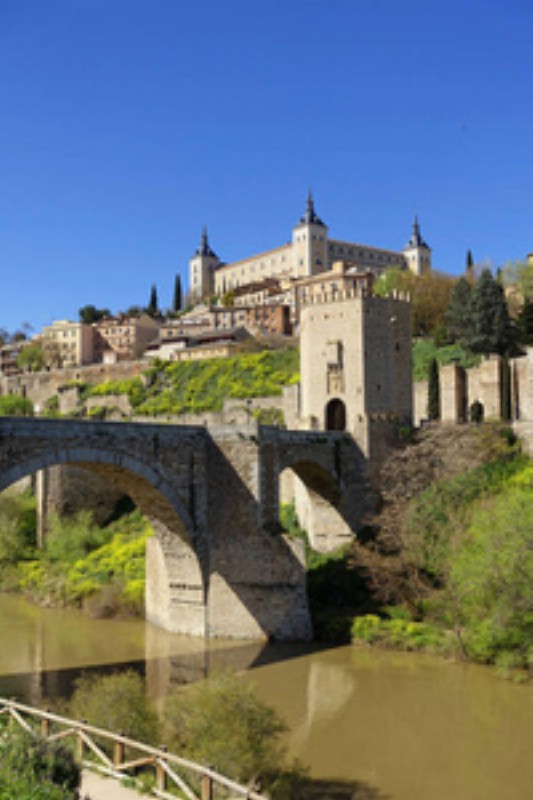
The Alhambra of Andalusia
Located in Granada, the Alhambra Palace is a jewel of Moorish architecture. Intricate stone carvings, exquisite tiles, and water features not only embody the aesthetics of Islamic art but also reflect the lifestyle aspirations of the time—creating a cool living environment in the heat of summer with water and greenery. This environmental design still offers valuable reference for modern cities today.
The Rise of Contemporary Architecture
Beyond Spanish Architecture of historical significance, Spain’s contemporary architecture is equally worth attention. For example, Bilbao’s Guggenheim Museum, designed by Frank Gehry, features a shimmering titanium skin that produces fascinating reflections under the light. This not only boosted the city’s tourism economy but also became a hallmark of Spanish Avant-garde Architecture in contemporary art.
| City | Iconic Building |
|---|
| Barcelona | Sagrada Família |
| Granada | Alhambra Palace |
| Bilbao | Guggenheim Museum |
Architecture and Daily Life
In Spain, architecture is not merely visual art, but an integral part of everyday life. Whether in the narrow streets of old towns or in modern cultural centers, designs take into account people’s habits and sense of community belonging. This people-centered design philosophy turns architecture into a bridge connecting history and the future, enriching daily life with warmth.
Conclusion
Spanish architectural works exemplify the fusion and continuity of diverse cultures. From ancient to modern times, each era has its representative masterpieces and distinctive aesthetic orientations. Sharing these works is not just about admiring beauty, but also about understanding the life philosophies behind them. I hope that during your travels or in everyday life, you can discover the stories embedded in architecture.
